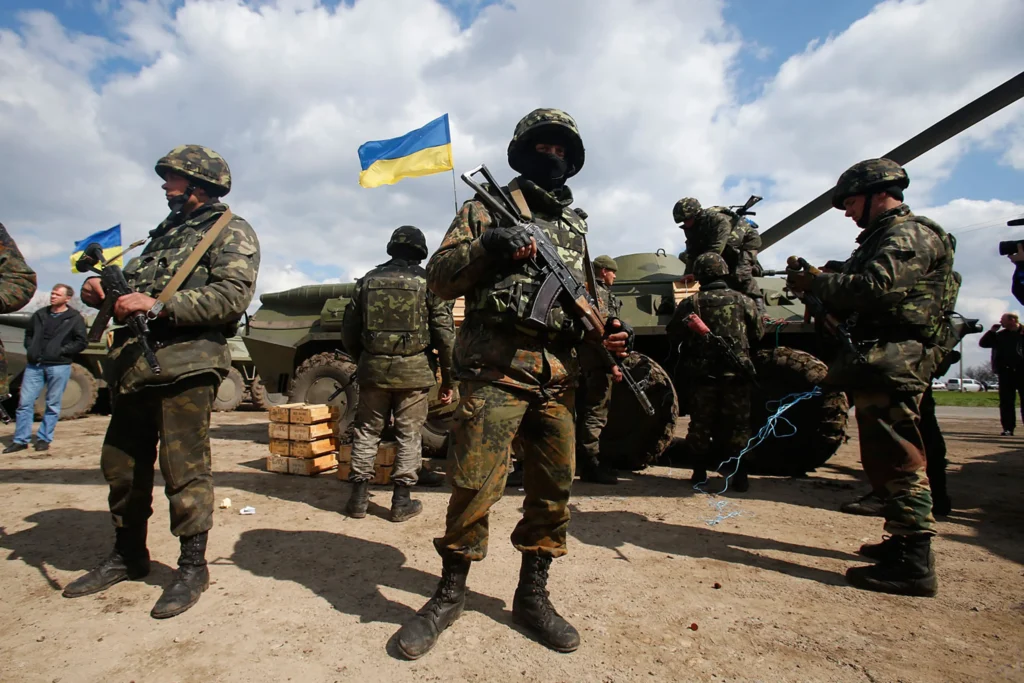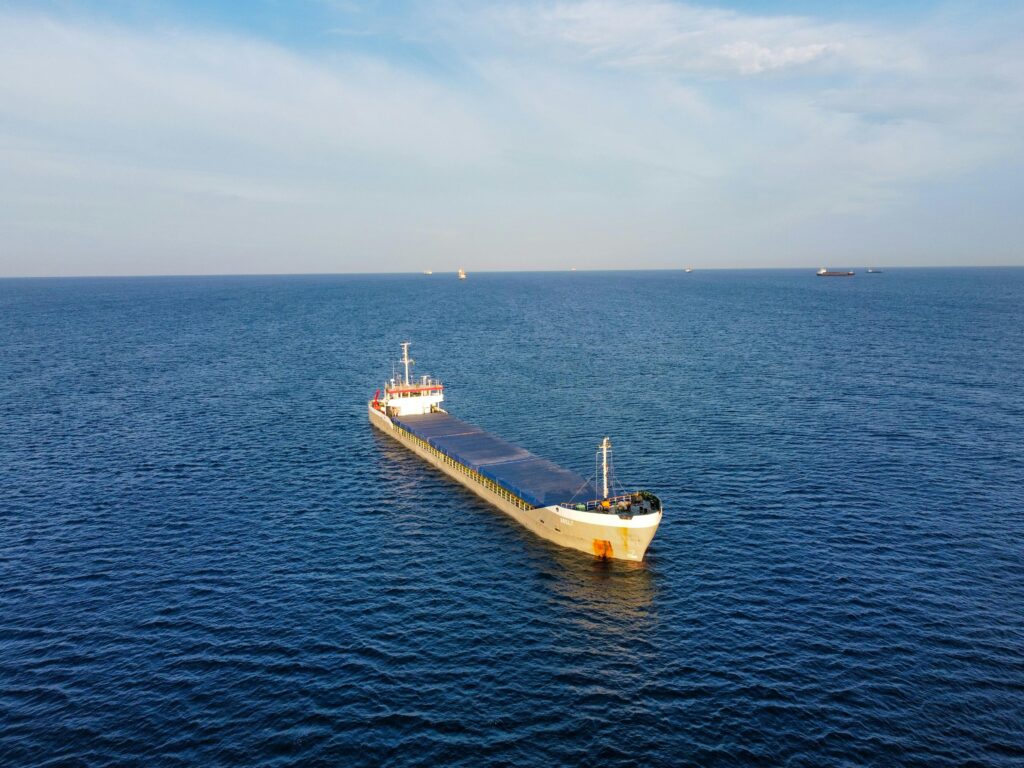
GDYNIA, Poland — Twenty NATO warships departed the Port of Gdynia on June 4, 2026, marking the start of BALTOPS 2026, the alliance’s premier annual maritime exercise in the Baltic Sea, as tensions with Russia in the region continue to escalate.
Verified Core Reporting
The 55th iteration of Baltic Operations brings together approximately 6,000 personnel from 15 NATO nations: Denmark, Estonia, Finland, France, Germany, Latvia, Lithuania, Norway, Poland, Portugal, Romania, Sweden, Türkiye, the United Kingdom, and the United States. The exercise runs from June 4 to June 19, 2026, and is led by U.S. Sixth Fleet.
For the first time since 1972, BALTOPS 2026 is command-and-controlled from Allied Joint Force Command (JFC) Brunssum in the Netherlands, providing realistic training under a NATO command structure.
Over the two-week exercise, allied forces will train in amphibious operations, air defense, anti-submarine warfare, mine countermeasures, crisis response, and unmanned systems experimentation across the Baltic Sea region.
Official Statements on Deterrence
“It is a great honor and privilege to host naval forces and personnel representing 15 Allied nations,” said Rear Adm. Jarosław Ziemiański, Inspector of the Polish Navy, at the pre-sail conference on June 3. “BALTOPS is not only training, it is an expression of our solidarity, determination and readiness to fulfil the shared commitments that bind us as Allies”.
Lt. Gen. John Mead, deputy commander of JFC Brunssum, stated at the BALTOPS 2026 Pre-Sail Conference: “BALTOPS forms for us three vital tasks: deters Russian threats in the Baltic Sea region, builds real world readiness and interoperability, strengthen alliance’s cohesion. BALTOPS matters because deterrence is not something we can simply talk about. We must demonstrate it”.
Rear Adm. Jason Naidyhorski, vice commander of U.S. Sixth Fleet, said: “Through BALTOPS, we are not just training for a potential crisis, but we are actively working to prevent one by showcasing our unified strength and resolve”.
Russian Activity Intensifies in the Baltic
The exercise comes against a backdrop of heightened Russian military aviation activity. French warplanes were scrambled 11 times over a single week as part of NATO’s Baltic Air Policing Mission, intercepting Russian military aircraft flying without flight plans or radio contact, according to France’s armed forces spokesperson Guillaume Vernet on June 4.
Vernet described the incursions as a higher-than-usual number of “provocations,” noting the intercepted aircraft included armed fighter jets, intelligence planes, and transport aircraft. The unusually high frequency of interceptions could signal Moscow seeking to “flex its muscles” during the same week it hosts the St. Petersburg International Economic Forum.
Earlier, on April 8, 2026, Polish F-16 fighters and French Rafale jets independently intercepted a Russian Il-20 reconnaissance aircraft over the Baltic Sea. The Il-20 was conducting a reconnaissance mission with its transponder turned off and without a filed flight plan in international airspace. No airspace violation was reported during the April interception.
Broader Context
BALTOPS has been held annually since 1971, making it one of NATO’s longest-running exercises. This year’s exercise involves approximately half the personnel compared to 2025, as conflicts in other regions are diverting naval resources away from the Baltic Sea drills.
Despite the reduced scale, BALTOPS 2026 remains the largest military exercise in the Baltic Sea this year. The U.S. provided the flagship USS Mount Whitney despite months of critical remarks about NATO from U.S. President Donald Trump and proposals to reduce U.S. involvement in the alliance.
The exercise follows a series of incidents in which military drones strayed into the airspace of Finland, Estonia, Latvia, and Lithuania, raising concerns that the war in Ukraine could spill over into NATO’s northern borders with Russia.
Strategic Significance
BALTOPS will initiate with exercises in the western Baltic before progressing eastward to practice resupply and protection of vital sea routes around Gotland, a key task for NATO given the region’s increasing strategic relevance.
Security analysts note that while the exercise demonstrates allied unity and readiness, it also functions as strategic deterrence signaling in response to Russia’s sustained military activity in the Baltic region.
NATO has not announced any immediate military response to Russian aviation activity but stated that surveillance and intelligence coordination efforts have intensified across Eastern European member states.
Current Status
The maritime phase of BALTOPS 2026 began June 4, with exercises scheduled to conclude on June 19 in Kiel, Germany, where many naval units are expected to participate in Kiel Week following the exercise.
Sources: U.S. Sixth Fleet, Reuters, The Straits Times — June 4, 2026
Content Disclaimer: This report covers developing military developments characterized differently by NATO and Russian officials. Russian aviation activity has been described by French officials as “provocations,” while Russian officials have not commented on the specific interceptions. Readers should consult multiple verified sources for broader context.