Iran’s Islamic Revolutionary Guard Corps (IRGC) launched missile and drone strikes on the U.S. Fifth Fleet headquarters in Bahrain and an airbase in a neighboring country on Tuesday, Iranian state media and U.S. military officials said, in retaliation for earlier U.S. strikes in the region.
U.S. Central Command (CENTCOM) and Iranian state outlets reported separate exchanges of fire on Tuesday after the United States carried out strikes over the weekend against Iranian radar and drone command sites on Qeshm Island and in Goruk. The attacks hit a major U.S. naval headquarters in Bahrain and a regional airbase, marking a significant escalation in a cycle of tit‑for‑tat strikes that have tested a fragile ceasefire brokered in April.
Verified core reporting
- CENTCOM said on Saturday that U.S. forces conducted “self‑defense strikes” on Iranian radar and drone command sites on Qeshm Island and in Goruk after Iran shot down a U.S. MQ‑1 drone over international waters; CENTCOM said its jets “eliminated Iranian air defenses, a ground control station, and two one‑way attack drones” it assessed posed threats to regional shipping (CENTCOM statement, [date of statement]).
- Iranian state media and the IRGC reported that naval and missile units struck the U.S. Fifth Fleet headquarters in Bahrain and an airbase in a neighboring country on Tuesday, describing the actions as retaliation for the U.S. strikes and for a separate U.S. attack that damaged an Iranian tanker near the Strait of Hormuz.
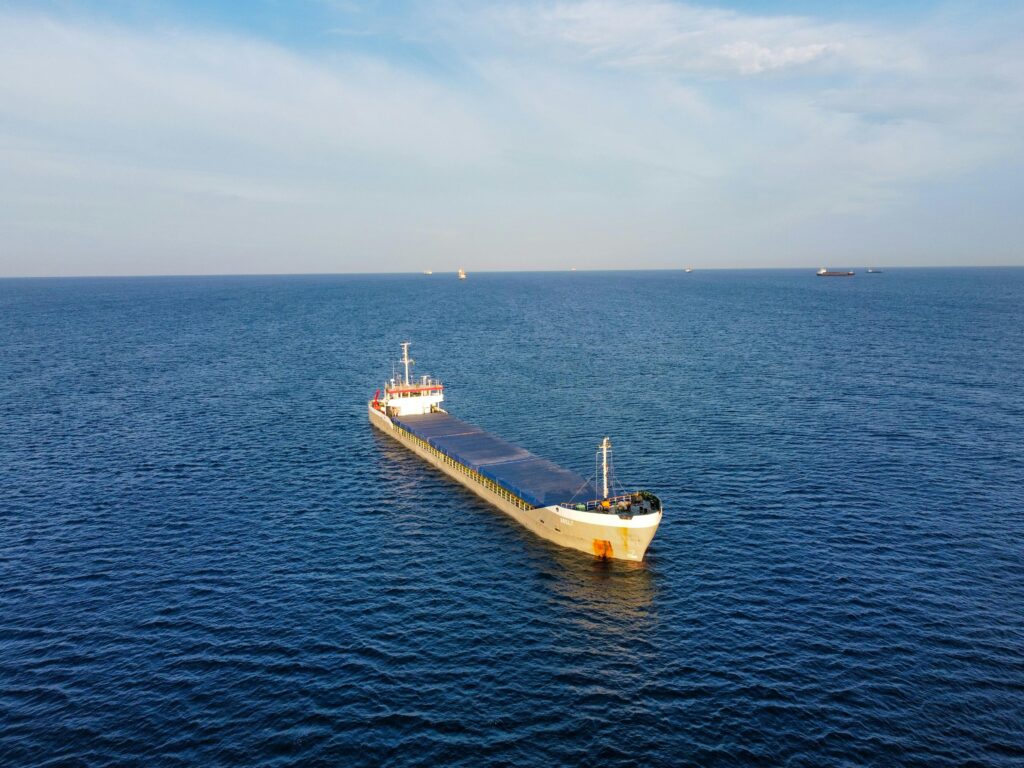
- The IRGC also said it targeted a vessel identified as the Panaya with missiles; Iranian outlets linked that strike to damage sustained by an Iranian tanker near the Strait of Hormuz. U.S. officials have not independently confirmed the Panaya strike.
- CENTCOM reported that two ballistic missiles launched at U.S. forces in Kuwait on Sunday were intercepted and that no U.S. personnel were harmed. Iranian officials said they targeted the airbase from which the Qeshm Island strike originated but did not specify the base’s location.
- Both sides have so far released limited operational details; claims about specific damage and casualties differ across Iranian state media and U.S. military statements.
Broader context
- The clashes come amid a fragile ceasefire agreement reached in early April between the United States and Iran. The truce was intended to reduce direct strikes and reopen diplomatic channels, with indirect negotiations reportedly mediated in part by Pakistan on a proposed 60‑day memorandum of understanding.
- The U.S. and Iran have repeatedly clashed in the Gulf in recent years over drone and maritime incidents, sanctions enforcement, and regional proxy conflicts. Strategic chokepoints such as the Strait of Hormuz have been flashpoints for ship seizures, drone activity, and naval confrontations.
- Prior incidents include Iran’s downing of U.S. surveillance drones, U.S. strikes on Iranian-linked facilities, and attacks on commercial shipping that international actors have attributed variously to Iranian proxies and state actors.
Multiple perspectives
- U.S. perspective: CENTCOM framed recent U.S. strikes as self‑defense measures following the downing of a U.S. MQ‑1 drone and said its forces targeted systems that posed imminent risks to ships transiting regional waters (CENTCOM statement).
- Iranian perspective: The IRGC described its actions as retaliatory strikes against U.S. military facilities and maritime targets in response to perceived U.S. aggression, including damage to an Iranian tanker and the strikes on Qeshm Island.
- Regional and international reactions: Public responses from Gulf states and other international actors were limited or cautious at the time of reporting; several governments have called for de‑escalation in previous exchanges. Independent international assessments and third‑party verifications of strike damage were not immediately available.
Implications and significance
- Security: The strikes increase the risk of miscalculation between U.S. and Iranian forces in a strategically critical maritime region, potentially endangering commercial shipping and prompting defensive measures by regional partners.
- Diplomatic: New hostilities complicate ongoing indirect negotiations aimed at extending the April truce and addressing broader issues such as sanctions, frozen assets, and nuclear discussions.
- Operational: Both sides’ claims to have neutralized threats and intercepted incoming missiles suggest heightened readiness and a propensity to respond quickly, which could shorten decision cycles and reduce opportunities for diplomatic de‑escalation.
Iran’s IRGC said it struck the U.S. Fifth Fleet headquarters in Bahrain and a regional airbase on Tuesday in retaliation for recent U.S. strikes on Iranian radar and drone sites. CENTCOM and Iranian outlets offered differing accounts of damage and targets. The exchanges represent a notable escalation amid fragile talks aimed at extending a truce reached in April and restoring stability in the Gulf.
Sources: Reuters, U.S. Central Command (CENTCOM), Iranian state media — June 3, 2026
Content Disclaimer: This report covers developing events and includes claims from U.S. military officials and Iranian state sources that differ in details. Readers are encouraged to consult primary statements from CENTCOM, the IRGC, and multiple verified outlets for full context.