Eurozone inflation accelerated from 3.2% in August to an estimated 3.8% in September, its highest level since September 2023. The ECB raised rates on September 13 specifically because of Hormuz-driven energy inflation. The September inflation acceleration means the September 13 ECB rate hike has not arrested the inflation trend.
THE ECB DILEMMA
The ECB now faces the same dilemma as the Federal Reserve but in a weaker economic environment:
▸ Raise rates further: addresses the 3.8% inflation; but European growth is already weakening (Italy confidence fell; Germany under coalition pressure)
▸ Hold rates: allows inflation to run above target; risks embedded expectations becoming entrenched
▸ Cut rates: would stimulate the weakening European economy; but cannot justify cutting with 3.8% inflation
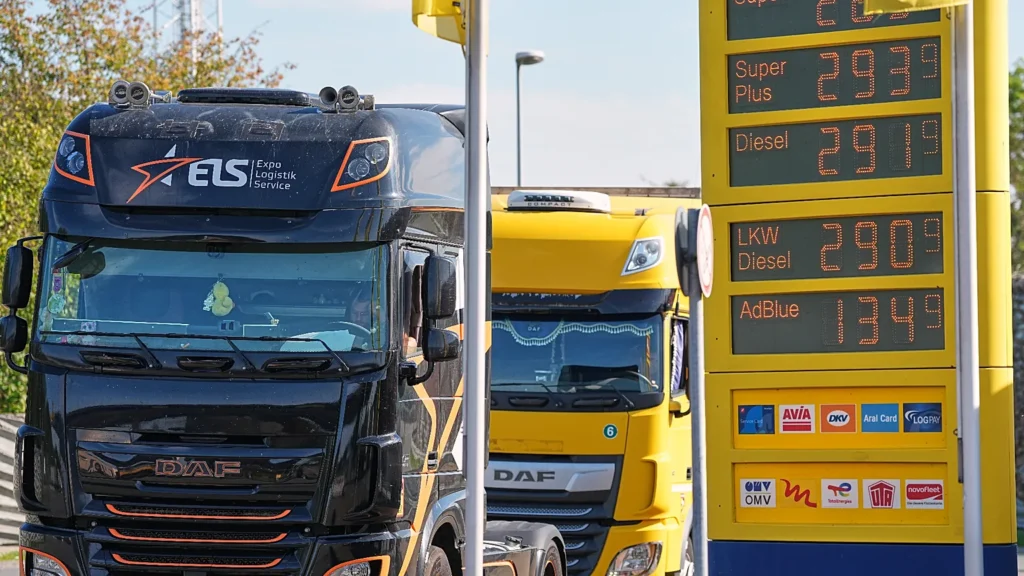
The ECB’s specific European context: eurozone economies are more exposed to Hormuz-driven energy costs than the US, because Europe imports a higher share of its energy. 3.8% eurozone inflation is specifically documented as Iran war-driven energy inflation that the ECB’s rate hike has not resolved.
Eurozone inflation rose to 3.8% in September. The ECB hiked rates in September specifically to address Hormuz energy inflation. 3.8% in September means the hike didn’t stop it. October 6, in three days, is the event that determines whether the energy inflation that drove the hike persists or reverses.
| CONFIDENCE: HIGH | Eurozone inflation accelerated 3.2% August 3.8% September highest since September 2023 complicates outlook European interest rates from confirmed reporting. |
SOURCES
▸ Confirmed reporting — eurozone inflation October 3, 2026