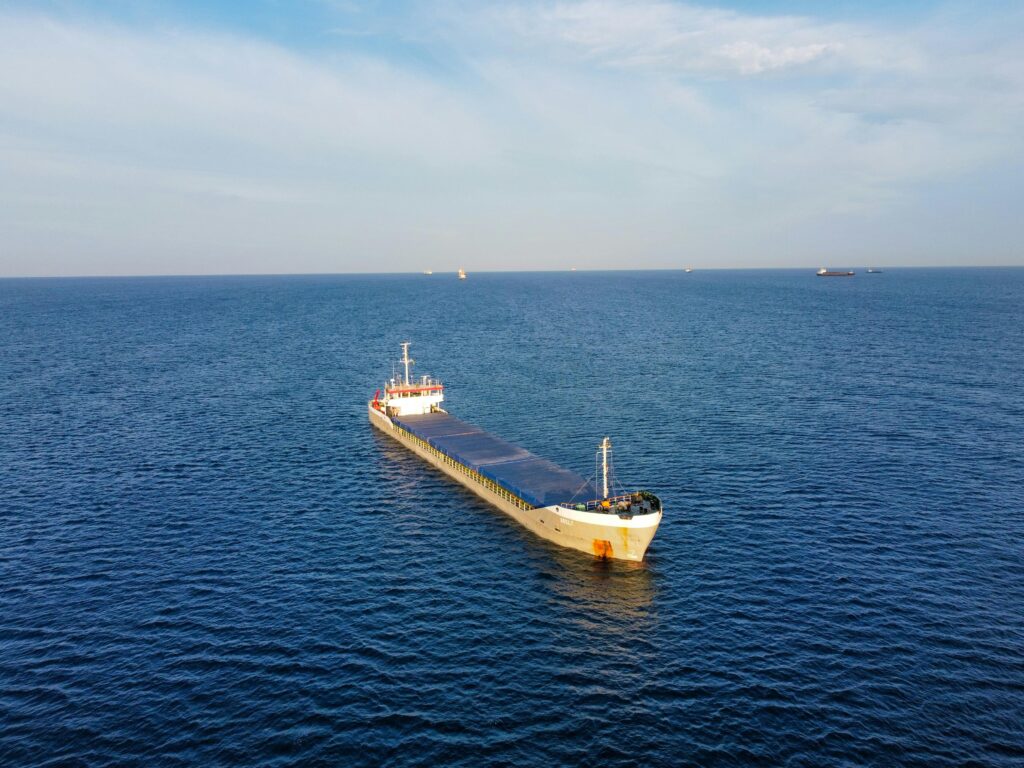
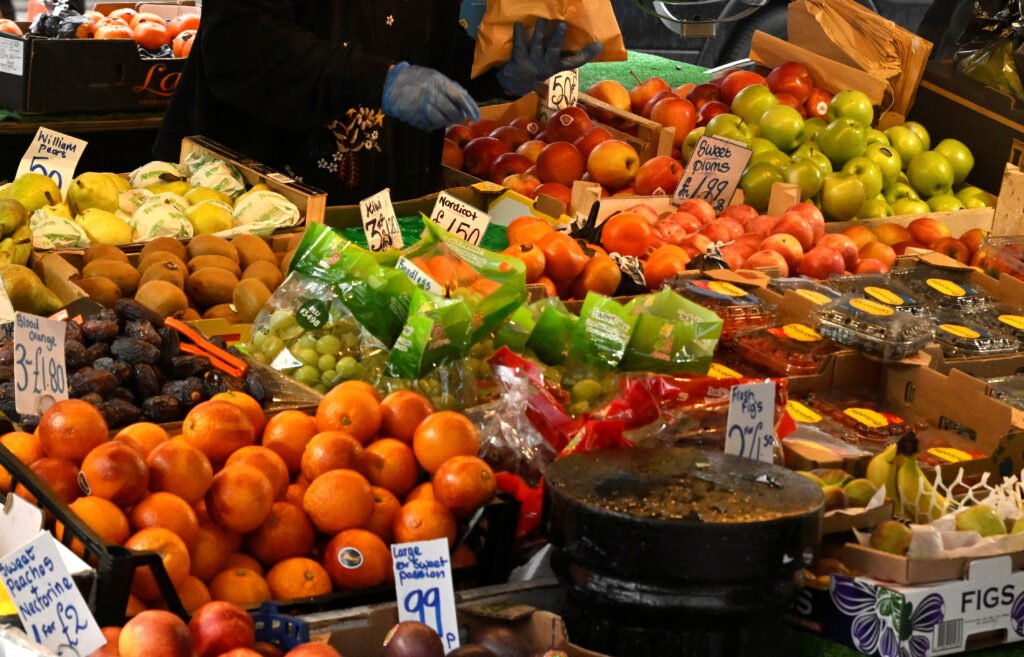
The UN Food and Agriculture Organization said food prices rose in September because logistics disruptions and weather concerns affected crop markets. The food price index hit its highest level in nearly four years — approaching the post-2022-Russian-invasion food price spike that produced global food security crises.
THE LOGISTICS DISRUPTION CONNECTION
The specific causal chain from the Iran war to food prices:
▸ Hormuz disruption: shipping costs elevated; insurance premiums elevated; route alternatives add time and cost
▸ Diesel prices: agricultural equipment, food processing, and refrigerated transport all run on diesel; elevated diesel raises food production and distribution costs
▸ Fertilizer: fertilizer production is energy-intensive; elevated energy costs raise fertilizer prices; higher fertilizer prices raise crop production costs
▸ Red Sea / Houthi: Bab el-Mandeb disruption forces food shipments from Asia and East Africa onto longer Cape of Good Hope routes
▸ Net result: every link in the food supply chain from production to delivery is more expensive
THE 29,000 JOBS CONNECTION
On the same day that US employers added only 29,000 jobs, world food prices hit a nearly four-year high. The documented economic squeeze: American workers are losing jobs while the food they buy is becoming more expensive. The two data points together document the specific economic condition the arc has been building toward: stagflation — rising prices with deteriorating employment.
Food prices are at their highest in nearly four years. Jobs growth came in at 29,000. Both on October 3. Food is more expensive because the Hormuz disruption raised shipping, diesel, and fertilizer costs. Jobs are disappearing because the energy shock raised costs across the whole economy. Expensive food and fewer jobs on the same day. That is the documented civilian economic condition of Day 57 of the Iran war.
WHAT HAPPENS NEXT
▸ Hormuz resolution — whether October 6 produces a deal that reverses the logistics disruption driving food costs
▸ Food security — whether the FAO data produces any emergency humanitarian food response
▸ Fertilizer costs — whether the elevated energy prices sustain fertilizer price increases into the next growing season
| CONFIDENCE: HIGH | UN Food and Agriculture Organization food prices rose in September; logistics disruption, weather concerns, and crop markets from confirmed reporting. |
SOURCES
▸ Confirmed reporting — world food prices FAO October 3 2026