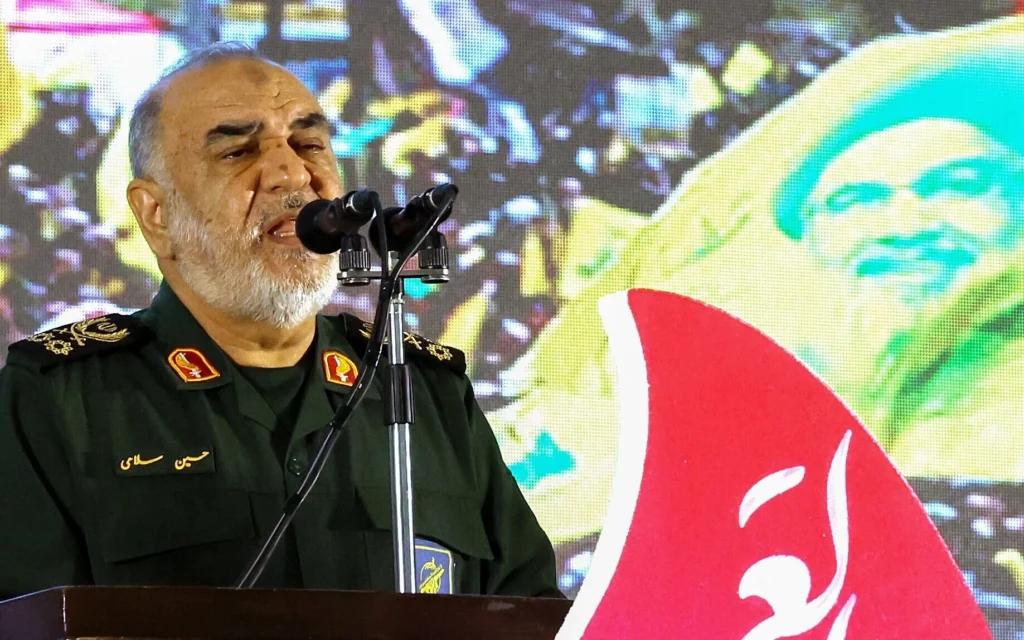
Iran has not accepted US conditions for reopening the waterway. Washington continues to pressure Tehran through military deployments and economic sanctions. The dispute between the two countries over the Strait of Hormuz remains the main risk to global energy supplies. This is the arc’s 60-day diplomatic status summary: every channel attempted, every round-trip completed, and Iran has not accepted the conditions.
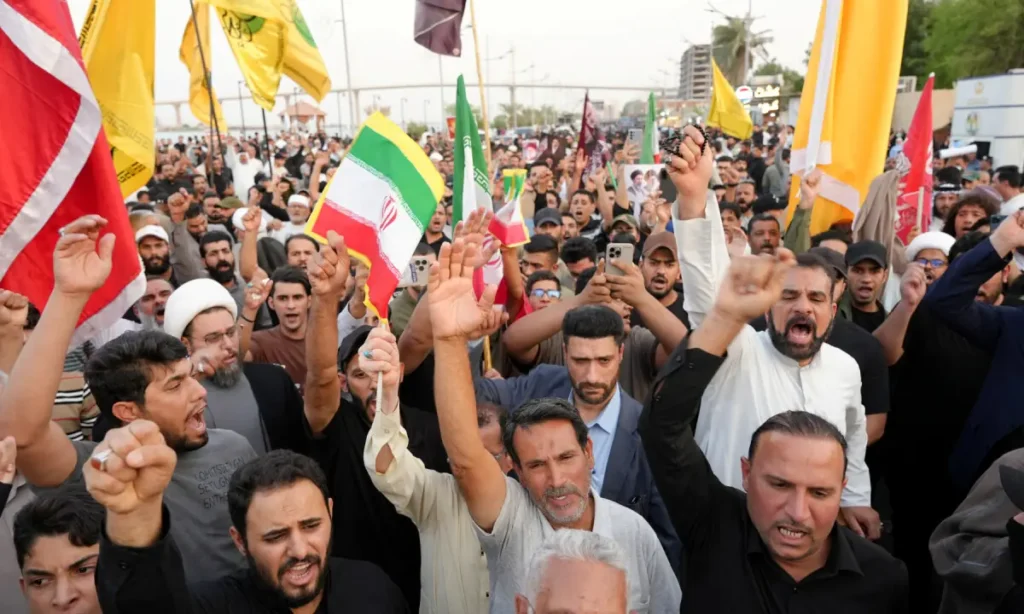
THE FULL DIPLOMATIC TIMELINE
▸ September 18: deal confirmed; oil fell $13; optimism peaked
▸ September 28: stalemate confirmed; Trump rejected Iran’s Hormuz proposal; Qatar channel activated
▸ September 29–30: Qatar channel first round-trip; Iran received Washington’s response; sequence dispute confirmed
▸ October 1–2: sequence dispute confirmed six consecutive days; three elements (sanctions, military pressure, order of implementation); G7 reserve release announced
▸ October 3: G7 condemned Iran; Camp David deliberation; Trump said ‘after the midterms’ for the second time
▸ October 4–5: Houthi attacks on Aramco Riyadh; Saudi offensive; Makkah Alliance talks; IRGC threat
▸ October 6: ceasefire expired; naval blockade reported; Iranian oil exports at zero
WHAT THE BLOCKADE DOES AND DOES NOT RESOLVE
The naval blockade has addressed the immediate question of Hormuz access by enforcing closure rather than negotiating reopening. This is the critical distinction the arc’s diplomatic failure produced:
▸ What it resolves: Iranian oil exports are at zero; the US has achieved maximum economic pressure on Iran without needing Iran’s agreement
▸ What it does not resolve: the fundamental sequence dispute (who goes first: sanctions relief or Hormuz reopening) has not been resolved, only bypassed by force
▸ What it creates: the specific diplomatic question now is whether Iran accepts US conditions in exchange for the blockade being lifted, or escalates in response to the blockade
▸ The Cuba 1962 precedent: a naval blockade during the Cuban Missile Crisis maintained diplomatic channels throughout; whether the Qatar channel remains open under blockade conditions is the arc’s most critical undocumented diplomatic variable
THE MAIN RISK TO GLOBAL ENERGY: THE ONGOING STATUS
The Hormuz dispute remains the main risk to global energy supplies even as oil is below $100 today. The below-$100 price reflects the Gulf producer supply cushion, not the resolution of the dispute. The specific ongoing risks that keep Hormuz the main energy risk:
▸ Sustained blockade: the US naval blockade requires three carriers and sustained operational presence; any degradation of that presence reopens the disruption question
▸ Iranian military response: Iran’s documented response options include attacks on US naval vessels, regional proxy escalation, or cyber and infrastructure attacks
▸ Aramco two-year rebuild: the Aramco CEO’s warning means the global energy buffer for the next disruption is two years from being replenished
Iran didn’t accept the conditions. The naval blockade is the answer to that refusal. But the naval blockade doesn’t resolve the sequence dispute — it bypasses it with force. The three-element dispute that the Qatar channel spent eight days trying to bridge is still unresolved. Iran still hasn’t said yes to US conditions. The US has now taken what it wants without Iran’s agreement: Iranian oil exports at zero. Whether Iran eventually agrees to US conditions in exchange for lifting the blockade, or retaliates against it, is the arc’s next documented chapter. The 60 days produced a naval blockade. The naval blockade produces the next diplomatic window or the next military confrontation.
WHAT HAPPENS NEXT
▸ Qatar channel — whether diplomatic communication continues under the naval blockade
▸ Iranian response — acceptance, negotiation, or military escalation
▸ Trump’s documented timeline — November 3 midterms; ‘war ends right after the midterms’
| CONFIDENCE: HIGH | Iran has not accepted US conditions for reopening the waterway. Washington continues pressure; military deployments and sanctions dispute remain the main risk to global energy supplies, according to confirmed Open Chronicle and CNBC October 6, 2026 reporting. |
SOURCES
▸ Open Chronicle — Global News Brief October 6, 2026
▸ CNBC — 5 Things to Know October 6, 2026