Saudi missile defense systems destroyed a Houthi ballistic missile targeting Riyadh. Interception debris injured people. The Houthis claimed simultaneous strikes against Aramco facilities and King Khalid International Airport, which has remained closed since earlier attacks. The Arabian Peninsula capital is now a sustained target of a Yemeni militant group — a strategic reality with no clear path to resolution.
🇸🇦 RIYADH · OCTOBER 14, 2026 · HOUTHI MISSILE INTERCEPT / CLAIMS
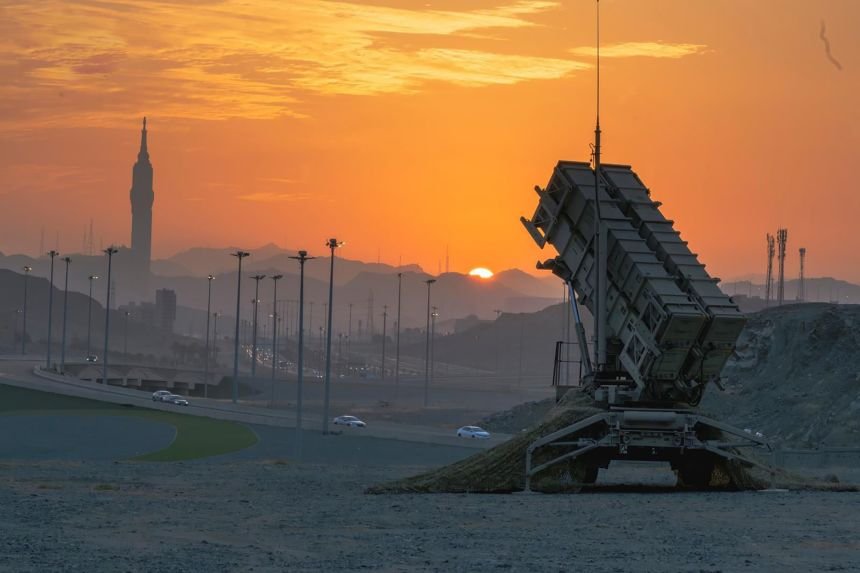
Saudi missile defense systems intercepted a Houthi ballistic missile approaching Riyadh. Al Jazeera, Al Arabiya, and Arab News confirmed the interception and reported explosions heard across the Saudi capital from the defensive engagement. Falling debris from the interception injured people on the ground — the consistent and unresolved problem of intercepting ballistic missiles over populated areas. The Saudi-led coalition described the interception as successful. The Houthis described it as part of a sustained offensive package that also included strikes against Aramco oil facilities and King Khalid International Airport.
King Khalid International Airport has been closed since earlier Houthi attacks. Its continued closure is a significant economic and logistical disruption for the Saudi capital. Whether the latest claimed strikes caused additional airport damage, or whether the Houthi claim relates to the ongoing closure, was not established in available reporting. Aramco facility claims by the Houthis have varied in their accuracy throughout this conflict; some claimed strikes have produced confirmed fires and damage, others have been assessed as missed or overstated. Saudi authorities have not confirmed damage to Aramco facilities in the latest round.
THE DEBRIS PROBLEM
Every successful ballistic missile interception over a populated area creates a debris field. The kinetic energy of a ballistic missile intercepted at altitude distributes its fragments across a wide area on the ground. Saudi Patriot and THAAD systems have been effective at destroying Houthi missiles before impact, but the destruction creates secondary hazards. People have been injured by interception debris in Riyadh and other Saudi cities throughout this conflict. The choice between attempting interception — which risks debris casualties — and allowing a missile to reach its target is not a genuine choice; interception is the correct decision. But the injuries it produces are real and represent a cost that does not disappear when an interception is declared successful.
The strategic picture is this: the Houthis have sustained ballistic missile attacks against the Saudi capital for weeks. Saudi air defenses have been intercepting most of them. But interception is not deterrence. The Houthis continue launching because the political and military cost of continuing to launch has not exceeded the benefit they derive — the attention, the leverage, the demonstration of reach. Short of defeating the Houthi military capacity to launch, which requires ground operations in Yemen or a sustained air campaign that has already been running for years without achieving that result, there is no clear mechanism to stop the launches.
US INVOLVEMENT QUESTION
Reports that the Trump administration is weighing deeper US involvement in Yemen-related military operations are in the information environment. The Houthis have warned of a swift and painful response if the US joins Saudi operations. The current US posture — active in the Gulf against Iranian proxies, providing intelligence and materiel to Saudi forces, but not described as in direct combat operations against Houthi launch infrastructure — is what it is on Tuesday morning. Whether that posture changes is one of the more consequential decisions the administration may make in the next several weeks.
“The Saudis intercepted the missile. Debris injured people. The Houthis claimed Aramco and the airport too. Riyadh airport remains closed. The capital of Saudi Arabia has been under sustained ballistic missile attack for weeks. There is no obvious path to it stopping.”
WHAT HAPPENS NEXT
► Aramco damage assessment — Saudi confirmation or denial of Houthi claims against oil facilities
► Airport status — whether King Khalid International moves toward reopening or sustained closure
► US posture — whether the administration announces any change in Yemen military engagement
► Interception rate — how Saudi air defense is performing against the sustained launch rate
► Houthi launch capacity — intelligence assessment of remaining Houthi ballistic missile inventory
| CONFIDENCE: HIGH | Al Jazeera, Al Arabiya, and Arab News confirmed Riyadh missile interception and debris injuries. Houthi claims against Aramco and the airport reported as claimed; Saudi confirmation pending. |
| BIAS CHECK | ASSESSMENT |
| Source weight | Al Jazeera, Al Arabiya, Arab News — regional multi-outlet confirmation; Saudi and Houthi sources noted separately |
| Houthi claims | Aramco and airport strikes reported as Houthi claims; Saudi confirmation status noted explicitly |
| Interception framing | Debris injuries described as real cost of successful interception; not used to question Saudi air defense |
| US involvement | Weighing deeper involvement reported as existing reporting; no US decision confirmed |
SOURCES
► Al Jazeera — Saudi intercepts Houthi missile Riyadh, debris injuries, October 14, 2026
► Al Arabiya — Riyadh interception confirmed, Houthi attack claims, October 14, 2026
► Arab News — King Khalid Airport closure, Aramco claims, October 14, 2026