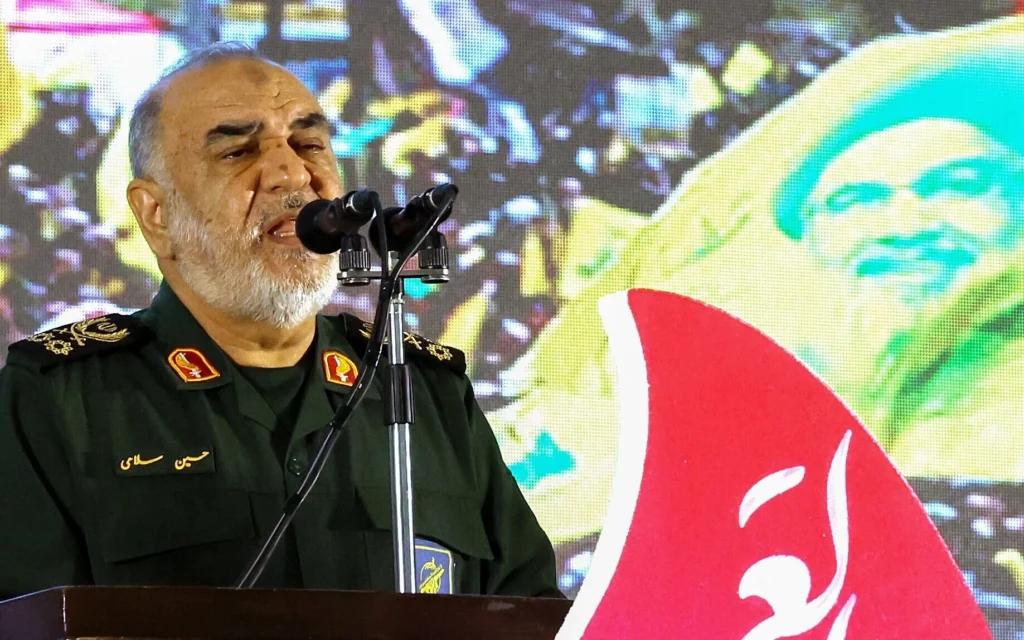
Two additional vessels were reported sunk near the Strait of Hormuz as Iran escalated its maritime disruption campaign. The Singapore Maritime Authority and UN IMO confirmed the incidents in reports summarized by Reuters. Analysts and officials described Iranian tactics as calibrated to drive oil prices higher ahead of the US midterms — applying economic pressure at a moment when American inflation is already a dominant political issue.
🚢 STRAIT OF HORMUZ · OCTOBER 15, 2026 · IRAN MARITIME ESCALATION
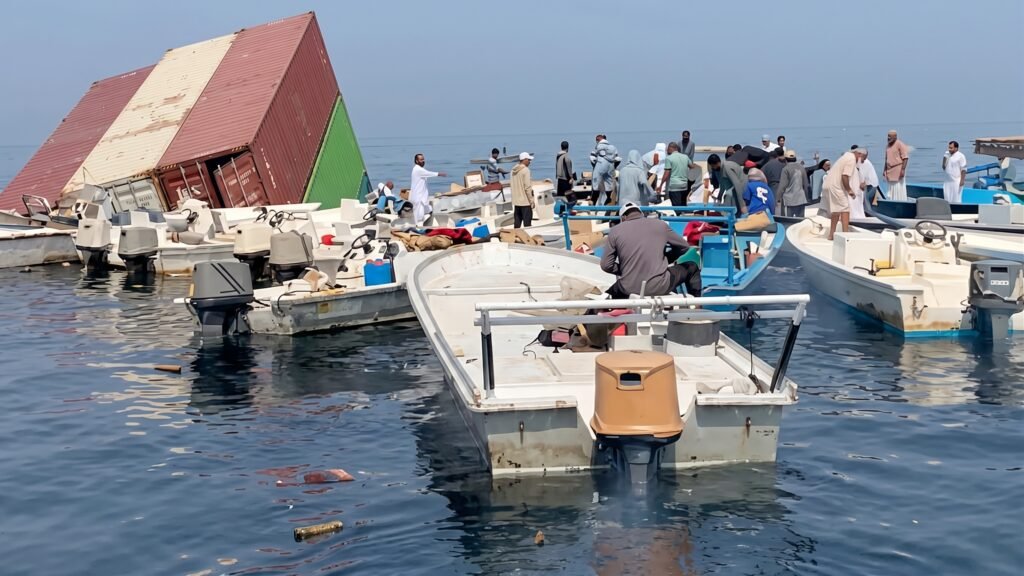
Two more vessels were reported sunk near the Strait of Hormuz, the critical waterway between Iran and the Arabian Peninsula through which approximately one-fifth of the global oil supply transits daily. The Singapore Maritime Authority and the UN International Maritime Organization confirmed the incidents in reports summarized by Reuters. The sinkings follow previous incidents, including the Iranian mine attack that sank a cargo ship in the Hormuz region, reported October 14. Iranian tactics in the Strait are being characterized by analysts and maritime security officials as a deliberate campaign to drive energy prices higher at a moment calculated to inflict maximum political damage on the US administration ahead of the November midterms.
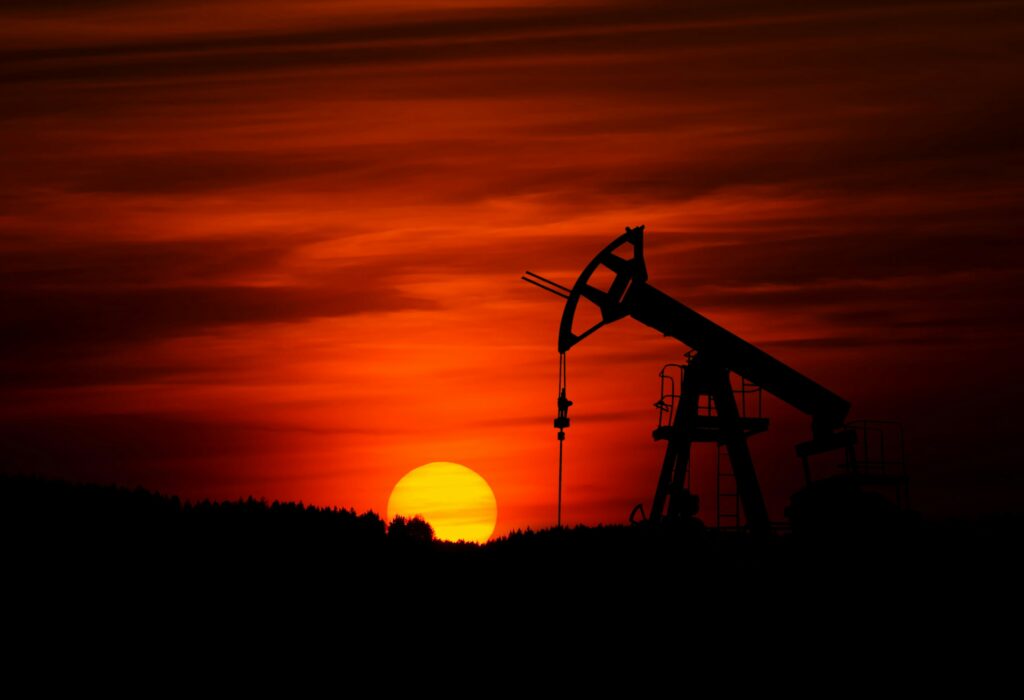
The strategic logic of Iranian Hormuz disruption is not complicated. Global oil markets respond immediately and sharply to supply disruption threats at chokepoints. The Strait is the most constrained major oil transit route on Earth — a twelve-mile-wide navigable channel that cannot be bypassed by supertankers. When ships sink there, when mines are laid, when warning shots are fired, insurance rates spike, shipping companies reroute or delay, and prices at American gas pumps follow within days. The September CPI showed gasoline up 9.1 percent and overall inflation at 3.7 percent. Every additional incident in the Strait turns those numbers worse before an election that is in part a referendum on the economy.
THE MIDTERM TIMING QUESTION
Iranian decision-makers understand the American electoral calendar as well as anyone in the region. The Islamic Republic has operated in the shadow of American electoral cycles for four decades. The calculation — disrupt oil supply at a moment when American inflation is already a political liability, increase the cost to the incumbent administration of continuing the conflict, reduce the likelihood of further escalation by making the economic consequences of escalation domestic as well as strategic — is rational within the Iranian framework. Whether it changes American political behavior or simply hardens it is the empirical question the next three weeks will answer.
The Singapore Maritime Authority and UN IMO confirmation adds international maritime law weight to the incident record. These are not unconfirmed claims; they are entries in the global maritime incident registry maintained by institutions whose function is precisely to record and respond to threats to international shipping. Insurance underwriters will have updated their war risk classifications for the Hormuz region. Commercial shipping companies are making routing decisions today based on those updates. The economic effects are not theoretical; they are operational.
WHAT TWO MORE SHIPS MEAN
The cumulative picture of Hormuz maritime incidents — the mine-sinking reported October 14, now two additional vessels — describes a sustained campaign rather than isolated events. A pattern changes the calculus for commercial operators. A single incident is a war risk event. A series of incidents within days is a pattern that changes baseline routing decisions: operators begin treating the Hormuz route as presumptively dangerous rather than episodically dangerous, and the reinsurance market prices accordingly. That systemic risk premium, multiplied across the volume of oil that transits the Strait daily, is an economic effect that compounds over time regardless of whether any individual ship is actually damaged on any given day.
“Two more ships sank near Hormuz. Iran is disrupting the route that carries a fifth of the world’s oil. Gas prices are already up 9.1 percent. The midterms are 19 days away. That is not a coincidence of timing.”
WHAT HAPPENS NEXT
► Insurance response — Lloyd and international maritime war risk premium updates for Hormuz
► US Navy posture — whether additional carrier or escort assets are deployed to the region
► IMO emergency session — whether UN IMO convenes an extraordinary session on Hormuz safety
► Oil price movement — whether Brent and WTI respond to the additional sinkings
► Iranian statement — whether Tehran claims or denies responsibility for the incidents
| CONFIDENCE: HIGH | Singapore Maritime Authority and UN IMO confirmed two additional vessel sinkings near the Strait of Hormuz. Reuters summaries corroborate. |
| BIAS CHECK | ASSESSMENT |
| Source weight | Singapore Maritime Authority, UN IMO, Reuters summaries — institutional and wire confirmation |
| Iran attribution | Iranian tactics described from analyst and official characterization; direct causal attribution to Iran stated as reported framing |
| Midterm framing | Electoral timing characterized analytically; not used to editorialize on Iranian responsibility |
| Economic impact | Oil market mechanism described from documented economic relationships; not speculative |
SOURCES
► Singapore Maritime Authority — Hormuz vessel incident reports, October 15, 2026
► UN IMO — Maritime incident registry updates, Strait of Hormuz, October 15, 2026
► Reuters summaries — Two more ships sunk near Hormuz, Iran maritime escalation, October 15, 2026