Ukraine launched one of its largest drone attacks on Moscow, disrupting airports and striking a key oil refinery. Here’s what happened, what is verified, and why it matters.
By Onyx News
Published: June 18, 2026
Ukraine Strikes Deep Inside Russia
Ukraine launched one of its largest drone attacks on Moscow since Russia’s full-scale invasion began in 2022, targeting the Russian capital, disrupting air travel, and striking a major oil refinery for the second time this week.
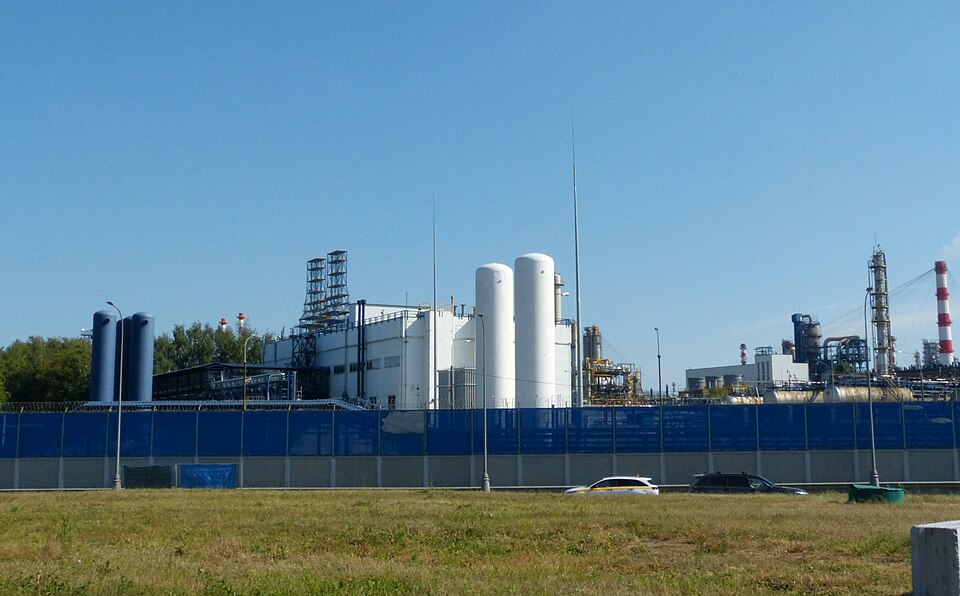
Russian authorities temporarily suspended operations at all four of Moscow’s airports after hundreds of drones were reported approaching the city overnight. The attack also hit the Kapotnya oil refinery, a strategic fuel facility that supplies a significant portion of Moscow’s petroleum products.
Russia’s Defence Ministry said its air defence systems intercepted 555 drones across the country, including nearly 200 that were approaching Moscow. Regional officials reported 16 injuries, although those figures have not been independently verified.
Ukraine Calls the Strike a Response
Ukrainian President Volodymyr Zelensky defended the operation, describing it as “a fully justified response” to Russia’s continued missile and drone attacks on Ukrainian cities.
Only hours before the drone operation, Russia launched missile strikes on Kyiv, continuing a pattern of reciprocal long-range attacks that has intensified in recent months.
Why the Oil Refinery Matter
The Kapotnya oil refinery is one of the largest fuel-processing facilities serving Moscow. While it supplies civilian fuel, energy infrastructure has also become an important target in the war because it supports transportation, logistics, and industrial activity.
Ukraine has increasingly focused on striking oil refineries, air bases, and military logistics centers deep inside Russia as part of its strategy to disrupt Russia’s war effort without relying solely on frontline operations.
A New Phase of the War
The conflict has evolved far beyond the front lines.
Since the invasion began, Russia has repeatedly launched missiles and drones against Ukrainian cities. In response, Ukraine has expanded its long-range drone capabilities, allowing it to strike targets hundreds of kilometres inside Russian territory.
These attacks demonstrate that both countries now possess the ability to project force far beyond the battlefield, increasing risks for civilian infrastructure, transportation networks, and energy facilities.
What We Know — And What We Don’t
Confirmed:
- Ukraine launched a large-scale drone attack targeting Moscow.
- Moscow’s four airports temporarily suspended operations.
- The Kapotnya oil refinery was struck.
- Russia reported intercepting hundreds of drones.
- President Zelensky publicly defended the operation.
Not Independently Verified:
- Russia’s reported interception figures.
- The full extent of damage to the refinery.
- The exact number of drones launched by Ukraine.
- The long-term military impact of the attack.
In active conflicts, official statements from both sides often cannot be independently confirmed immediately. As additional evidence becomes available, assessments may change.
Onyx Context
The significance of this attack extends beyond the immediate damage.
It reflects a broader transformation in modern warfare, where long-range drones have become central to military strategy. Rather than relying only on conventional battles, both Ukraine and Russia are increasingly targeting energy infrastructure, transportation hubs, and military logistics far from the front lines.
As these capabilities continue to expand, the conflict is becoming less defined by territorial battles and more by each side’s ability to disrupt the other’s economy, infrastructure, and public confidence.
At Onyx News, we distinguish verified facts from official claims, providing the context needed to understand not just what happened—but why it matters.