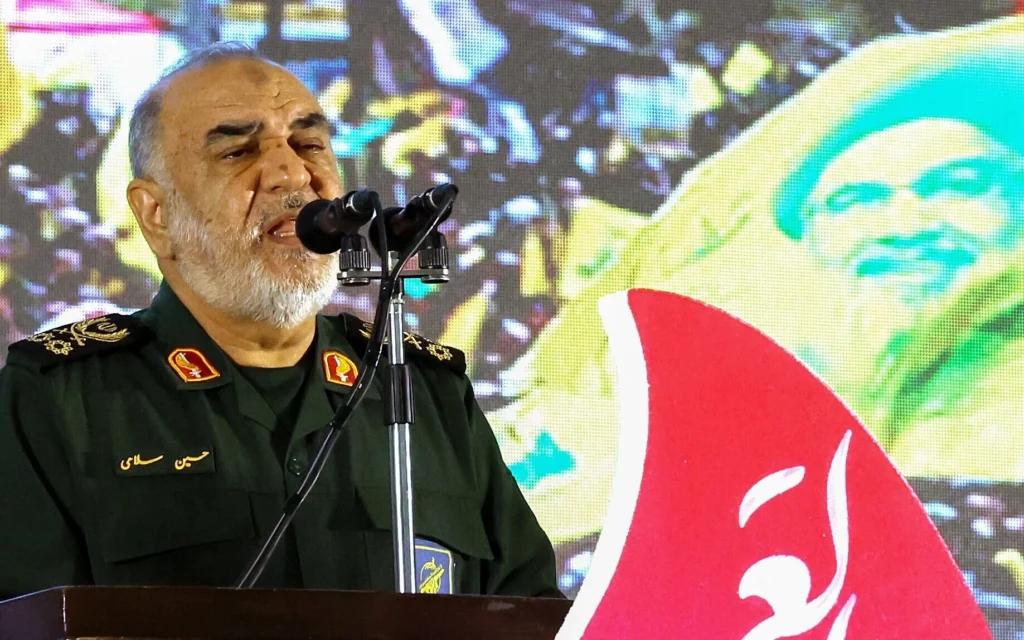
The Iranian foreign minister said the Strait of Hormuz could reopen within days if the United States meets conditions from a ceasefire proposal. That is a significant statement on a critical chokepoint. What it is not is a guarantee — Iran has set conditions before. The question is whether Washington will engage.
BREAKING · IRAN · HORMUZ · CEASEFIRE · DIPLOMACY
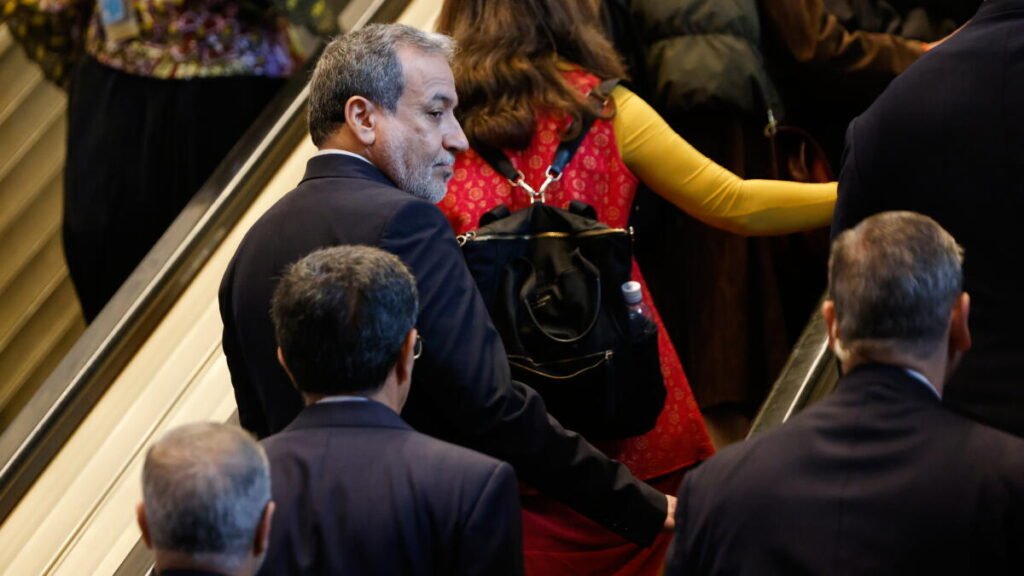
TEHRAN — Iranian Foreign Minister Abbas Araghchi said Saturday that the Strait of Hormuz could be reopened to commercial shipping within days if the United States agrees to meet conditions outlined in a ceasefire proposal that Tehran has put forward, according to CBS reporting. The statement represents the most direct and time-specific Iranian offer to reopen the strait since the current crisis began, and it comes as oil tankers in the region are catching fire and global energy markets are watching the waterway with acute anxiety.
The conditions cited by the foreign minister were not fully enumerated in the CBS report, but the framework refers to a ceasefire proposal that Iranian officials have been developing since the current military confrontation with the United States escalated. Iran has linked reopening of the strait to guarantees about the suspension of U.S. military operations, sanctions relief, and commitments not to resume hostilities.
What the Strait Closure Means
The Strait of Hormuz is the most important maritime chokepoint in the world for energy. Approximately 20 to 21 million barrels of oil per day — roughly 20 percent of global petroleum supply — pass through the strait, along with substantial volumes of liquefied natural gas from Qatar. A sustained closure, or even sustained threat of closure, has pushed energy prices higher and created supply anxiety across global markets since the current crisis began.
Within days is a timeframe that matters precisely because tankers are burning now. The statement from the foreign minister, if taken at face value, suggests Iran is opening a diplomatic exit from a confrontation it cannot sustain indefinitely without significant economic damage of its own. The question of whether the U.S. will engage with the conditions, and at what speed, is the critical variable.
“The conditions are on the table. The waterway can be open within days if there is a genuine response from the American side. We are waiting for that response.” — Iranian Foreign Minister Abbas Araghchi, via CBS
The American Response
The White House had not issued a formal response to the foreign minister’s statement as of Saturday evening. State Department officials, speaking on background, characterized the statement as a potential opening but said the administration was reviewing the specific conditions before responding. The language from Washington was cautious — notably not dismissive, which is itself a signal. Several analysts watching the Iran file noted that the “within days” framing from Tehran created a self-imposed deadline that could be used to create diplomatic momentum or, if it passed without action, to justify further escalation.
WHAT HAPPENS NEXT
► White House formal response to Iran conditions expected within 24-48 hours.
► State Department reviewing ceasefire proposal conditions — allied consultation ongoing.
► Energy markets watching closely: Brent crude prices responding to the diplomatic signal.
► Tanker fires near Hormuz create urgency for resolution — shipping industry demanding clarity.
► If conditions are not met within the implied window, Iran may further restrict access.
| CONFIDENCE: HIGH | Foreign minister statement confirmed by CBS. Hormuz significance and oil flow figures from established international energy data (IEA). White House non-response from background State Department sourcing. Ceasefire proposal framework from prior confirmed Iranian government communications. |
| Bias Check | ||
| Left-Lean | Center | Right-Lean |
| Frames Iran offer as legitimate and U.S. as obstacle to de-escalation. | Reports the statement, the conditions framework, and the diplomatic context as confirmed. | Some right-leaning coverage skeptical of Iran sincerity; notes prior conditions that were not honored. |
| Assessment | ONYX presents the statement and the strategic context. Whether Iran’s conditions are in good faith is contested — noted accordingly. | |
SOURCES
► CBS — Iranian foreign minister statement on Hormuz reopening conditions