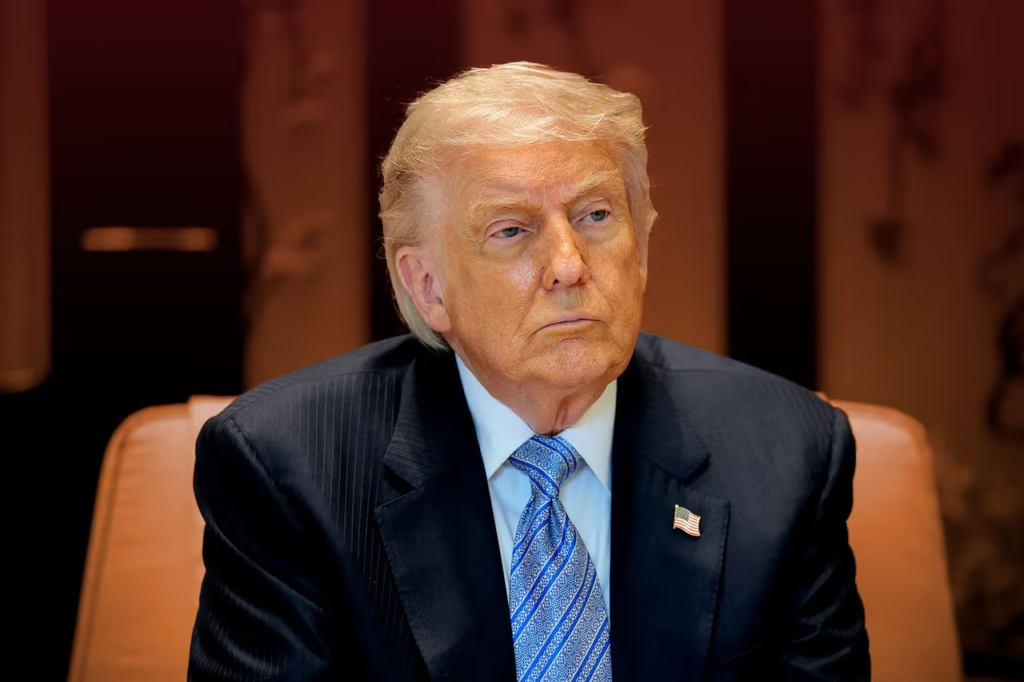
Nasdaq fell more than 5%, wiping roughly $2 to $2.5 trillion in market value, as investors assessed the probability that an incoming Democratic Congress would scrutinize AI data centers, infrastructure buildout, and energy consumption.
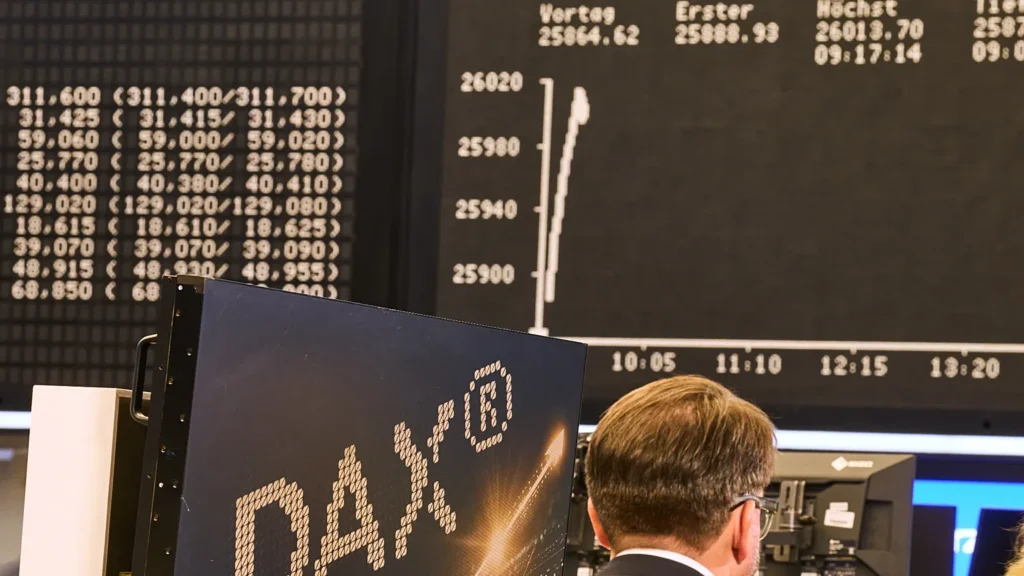
MARKETS · TECHNOLOGY · AI REGULATION · ARC: NOV 5 OIL PLUNGE + NOV 4 MARKETS
The Nasdaq Composite fell more than 5 percent on Friday, wiping approximately $2 to $2.5 trillion in market capitalization from technology stocks, as investors priced in the probability of increased AI and data center regulation under an incoming Democratic congressional majority, NPR, Politico, CNBC, and Reuters reported. The decline is the largest single-day technology sector loss since the 2022 market correction and represents a significant reversal from the equity gains that followed the initial Democratic midterm sweep reported on November 4.
CNBC reported that the sell-off was concentrated in companies with large AI infrastructure exposure: semiconductor manufacturers, cloud computing providers, hyperscale data center operators, and large-cap technology platforms whose business models depend on continued AI capability buildout. The specific regulatory concerns driving the sell-off centered on three anticipated Democratic policy initiatives: mandatory environmental impact assessments for large data centers, proposed limits on AI training energy consumption, and potential antitrust scrutiny of the market concentration in foundation model development.
What Democrats Have Actually Proposed
Reuters reviewed the stated policy positions of incoming Democratic committee chairs and found a more nuanced picture than the market sell-off might suggest. While several Democratic members have called for environmental regulation of data center energy consumption — a legitimate policy concern given that large AI training runs now consume more electricity than small nations — the specific regulatory framework proposed varies significantly across members, and no comprehensive AI regulation bill had been introduced as of publication. Politico noted that the market reaction may be pricing in a worst-case regulatory scenario that does not reflect the actual legislative agenda of the incoming majority.
NPR reported that incoming Democratic leadership had not issued a unified position on AI regulation and that several Democratic members representing technology-heavy districts had explicitly stated their support for continued AI investment alongside reasonable oversight frameworks. The sell-off thus reflects traders’ risk assessment rather than a confirmed policy threat, though the mere possibility of regulation in a sector that has operated with minimal oversight for years was sufficient to trigger the magnitude of the market reaction.
“The market is not pricing the actual Democratic AI agenda. It is pricing the worst version of it. Those are very different things.” — Technology sector analyst, quoted by Reuters
The Broader Market Arc
The tech sell-off creates a complex market picture across the five days of ONYX News post-midterm coverage. November 4: markets surge on Democratic gains, pricing in divided government stability. November 5: oil prices plunge on Hormuz de-escalation expectations. November 6: tech stocks plunge on AI regulation fears. The market is simultaneously celebrating and fearing the Democratic sweep — a dynamic that reflects genuine investor uncertainty about which aspects of the Democratic agenda will be prioritized in the new Congress. The arc connects to November 5 and November 4 for the full market sequence.
WHAT HAPPENS NEXT
► Tech sector lobbying organizations preparing regulatory engagement strategy for new Congress
► Incoming Democratic committee chairs expected to clarify AI oversight agenda in transition period
► Federal Reserve monitoring market volatility for systemic stability implications
► Retail investor exposure to tech-heavy index funds means broader household wealth implications
| CONFIDENCE: HIGH | NPR, Politico, CNBC, and Reuters all independently reported on the Nasdaq decline and AI regulation fear driver. Four-source convergence. CNBC is definitive for market data; Reuters provided policy analysis sourced to incoming committee members. |
| Bias Check | ||
| Left-Lean | Center | Right-Lean |
| Market sell-off framed as overdue correction; AI industry portrayed as requiring urgent regulation. | Reports market decline and regulatory concern factually; notes gap between market fear and actual agenda. | Market sell-off framed as Democratic overreach destroying innovation; AI regulation as technology hostility. |
| Assessment | ||
SOURCES
► NPR — Nasdaq tech stock plunge, AI crackdown fears after midterms, November 6, 2026
► Politico — Democratic AI regulation agenda analysis, incoming committee chair positions
► CNBC — Nasdaq 5% decline, $2.5 trillion market cap loss, sector breakdown
► Reuters — Technology regulatory risk assessment, incoming Democratic AI policy review