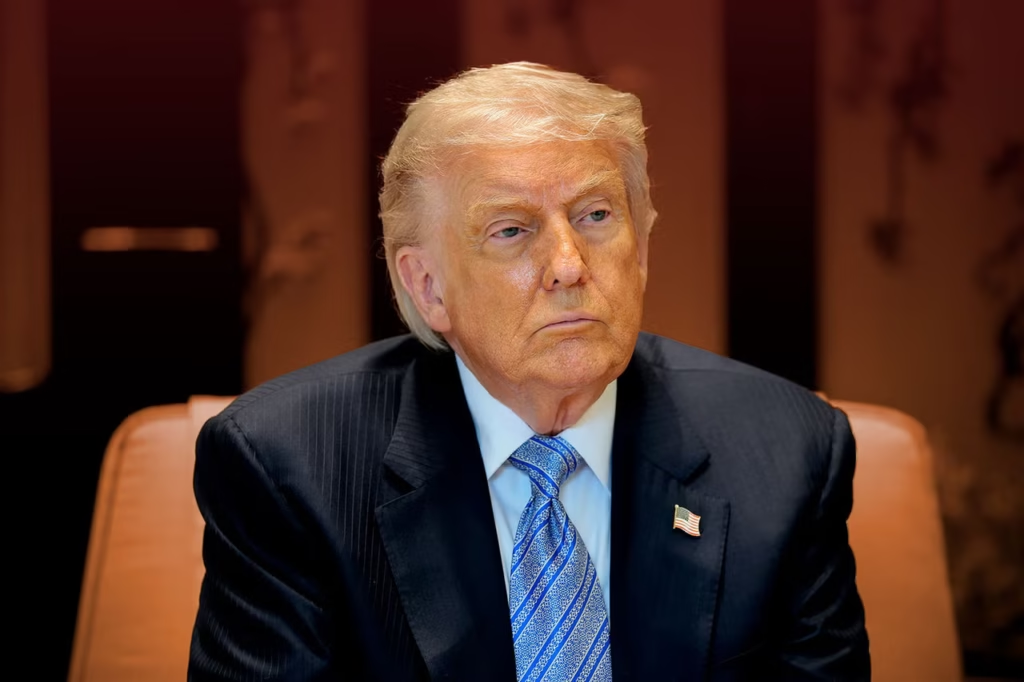
The Supreme Court ruled 6-3 that the 14th Amendment guarantees birthright citizenship, striking down Trump’s 2025 executive order. Here’s what Trump v. Barbara means for millions of families.
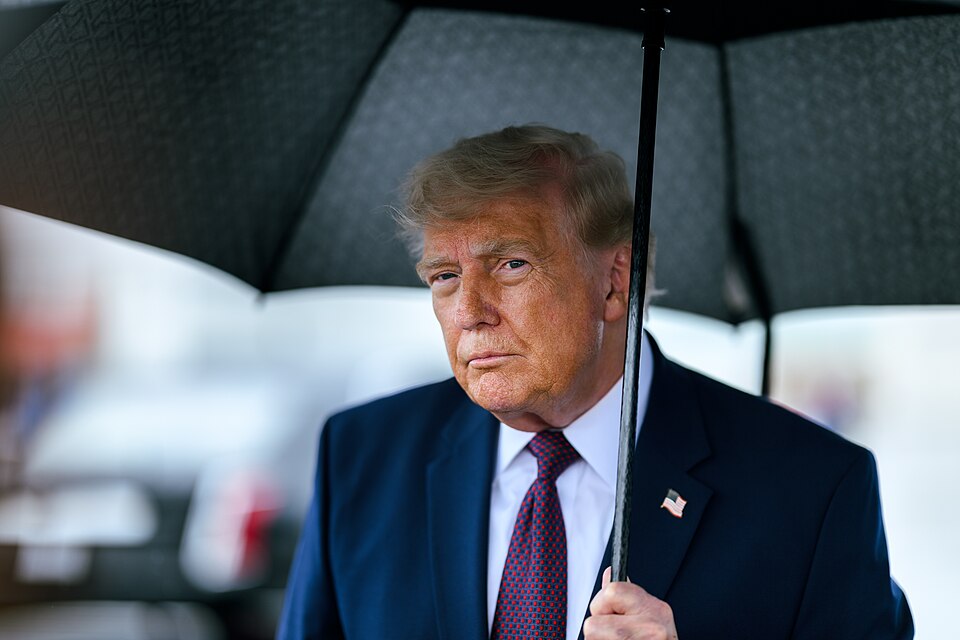
The Supreme Court closed out its most consequential term in a generation on June 30 with its biggest ruling yet: a 6-3 decision affirming that the Constitution guarantees automatic citizenship to virtually every child born on U.S. soil, regardless of their parents’ immigration status.
Writing for the majority in Trump v. Barbara, Chief Justice John Roberts leaned on the Court’s 1898 precedent in United States v. Wong Kim Ark, which held that the 14th Amendment’s citizenship clause applies broadly to nearly everyone born in the country. Roberts framed citizenship as foundational to American identity, describing it as the right that unlocks every other right.
The ruling strikes down the executive order Trump signed on his first day back in office, which sought to deny citizenship to children born to parents who were in the country illegally or on temporary visas. Every lower court that reviewed the order had already blocked it before it ever took effect. Notably, only Justice Amy Coney Barrett joined Roberts among the Court’s conservatives — meaning three conservative justices dissented, while the Court’s three liberal justices sided with the majority.
The stakes were enormous: the Migration Policy Institute estimated roughly 255,000 children born annually to noncitizen parents could have lost automatic citizenship status under the order, some potentially left stateless. Advocacy groups including the ACLU, which argued the case, called the ruling a decisive and lasting win. House Speaker Mike Johnson said Tuesday that Congress may still try to address birthright citizenship through legislation — though legal experts are skeptical that a statute alone could override what the Court just found to be a constitutional guarantee.
For now, the rule that has applied since Reconstruction stands unchanged: if you’re born here, you’re American.
📬 JOIN ONYX NEWS
Get stories like this before anyone else. Subscribe to the ONYX News Daily Brief — free, straight to your inbox, every morning.