
The Supreme Court ruled 6-3 that state bans on transgender athletes in girls’ and women’s school sports do not violate Title IX. Here’s what the ruling actually says — and what it doesn’t.
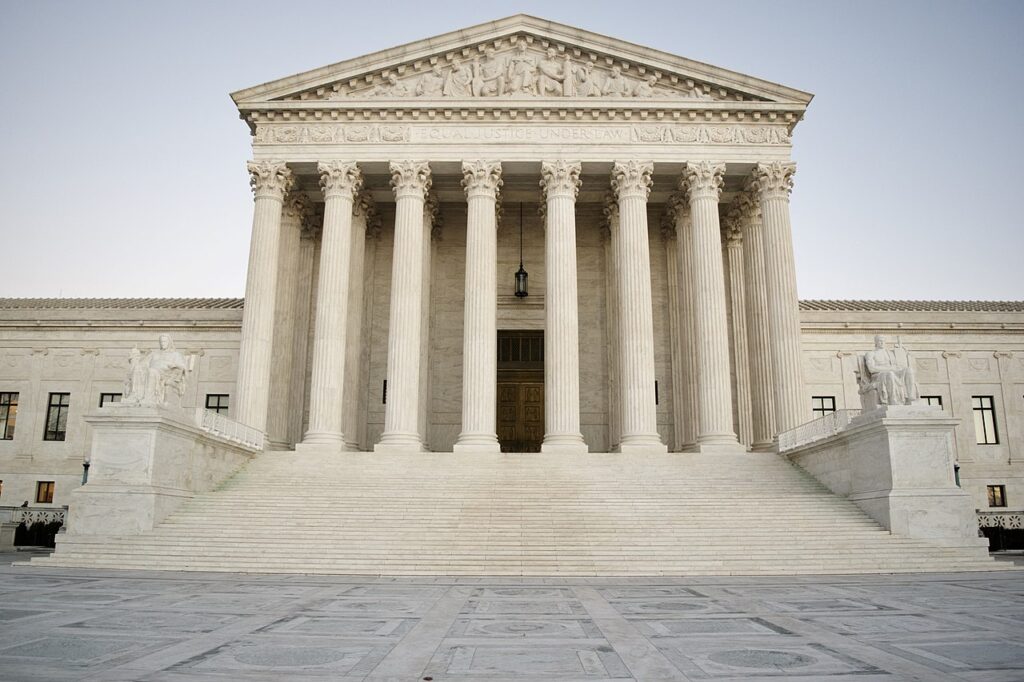
In one of four landmark rulings handed down on the Supreme Court’s final day of the term, the justices ruled 6-3 that states may prohibit transgender athletes from competing on girls’ and women’s school sports teams without violating Title IX, the federal law barring sex discrimination in education.
The decision combined challenges brought by transgender student athletes in West Virginia and Idaho, whose lawyers argued the state bans singled them out because of their transgender status. The Court’s conservative majority disagreed, finding the laws permissible under Title IX’s framework.
The ruling follows a similar pattern to a decision the Court issued a year earlier allowing states to restrict gender-affirming medical care for minors, extending a string of losses for transgender rights advocates at the nation’s highest court. Justice Sonia Sotomayor wrote the dissent, arguing the majority’s reasoning rests on assumptions rather than a full scientific record, and that lower courts should have been given the chance to examine the evidence more thoroughly before the case reached this stage.
The practical effect: states that already have transgender athlete bans on the books can keep enforcing them, and states considering similar legislation now have clear constitutional cover from the nation’s highest court. More than half of U.S. states had already passed some form of restriction before Tuesday’s ruling; this decision removes the primary legal cloud hanging over those laws.
📬 JOIN ONYX NEWS
Get stories like this before anyone else. Subscribe to the ONYX News Daily Brief — free, straight to your inbox, every morning.