The Supreme Court struck down Watergate-era limits on how much political parties can spend coordinating with candidates, in a case brought by VP JD Vance. Here’s why it matters for every future election.
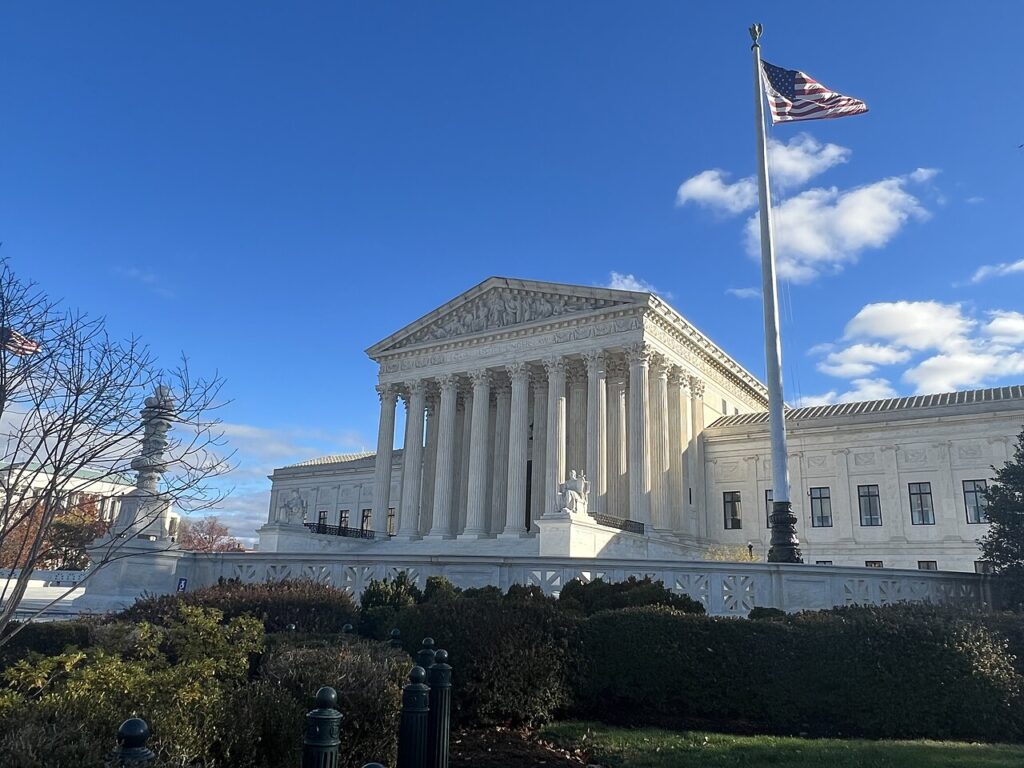
Buried beneath the Supreme Court’s blockbuster rulings on birthright citizenship and transgender athletes was a decision that could reshape American elections for a generation: the Court struck down longstanding limits on how much a national political party committee can spend in direct coordination with its own candidates.
The challenge was brought by then-Senator JD Vance, now vice president, who argued the decades-old caps — put in place in the wake of the Watergate scandal — unconstitutionally restrict a party’s ability to support its own nominees. The Court’s conservative majority agreed, finding the coordination limits violate free-speech protections.
Justice Elena Kagan wrote a pointed dissent, warning the ruling opens the door to a new era of unlimited party spending that could function as a workaround to individual and PAC contribution limits. She illustrated her concerns with a hypothetical candidate she called ‘John Smith,’ walking through how unlimited coordinated spending could effectively erase the line between a party committee and a candidate’s own campaign.
Unlike the term’s other headline rulings, this one won’t show up in most people’s news feeds — but campaign finance lawyers on both sides of the aisle expect it to reshape how national party committees, congressional campaign arms, and presidential campaigns raise and spend money starting with the 2026 midterms.
📬 JOIN ONYX NEWS
Enjoyed this story? This is exactly the kind of story ONYX News breaks down every morning — fast, fact-checked, and free.