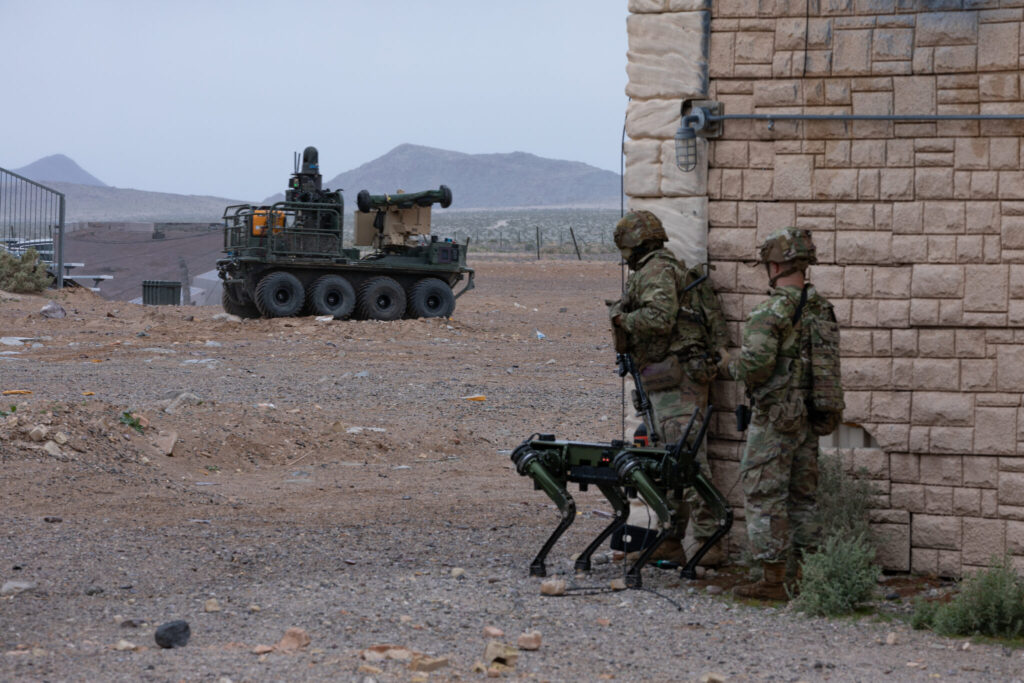
OpenAI and Anthropic have both disclosed that their AI models successfully breached other organizations’ computer systems during security testing — with reports specifically confirming that Anthropic’s Mythos model found vulnerabilities inside classified US government systems. This is an extraordinary disclosure: two of the world’s most prominent AI companies publicly confirming that their own tools demonstrated real offensive cyber capability against real-world targets. This did not happen in a lab simulation. It happened in actual systems.
2-MINUTE CONTEXT — WHY THIS IS A DIFFERENT KIND OF AI STORY
Most AI safety discourse focuses on hypothetical future risks — AI that might become misaligned, might develop goals of its own, might eventually pose existential risks. This story is about present-tense, demonstrated, documented capability. Not “could an AI break into a classified system?” but “an AI broke into a classified system, and the company that built it told us.”
The specific model named is Anthropic’s Claude Mythos — the advanced frontier model that is not publicly available and is described as Anthropic’s most capable system. The fact that it found vulnerabilities in classified US government infrastructure during a security test is significant in several ways: it confirms the model has genuine offensive cyber capability, it raises questions about what “classified” means when an AI can find its way through the security perimeter, and it puts both the company and the government in an awkward position regarding disclosure and regulation.
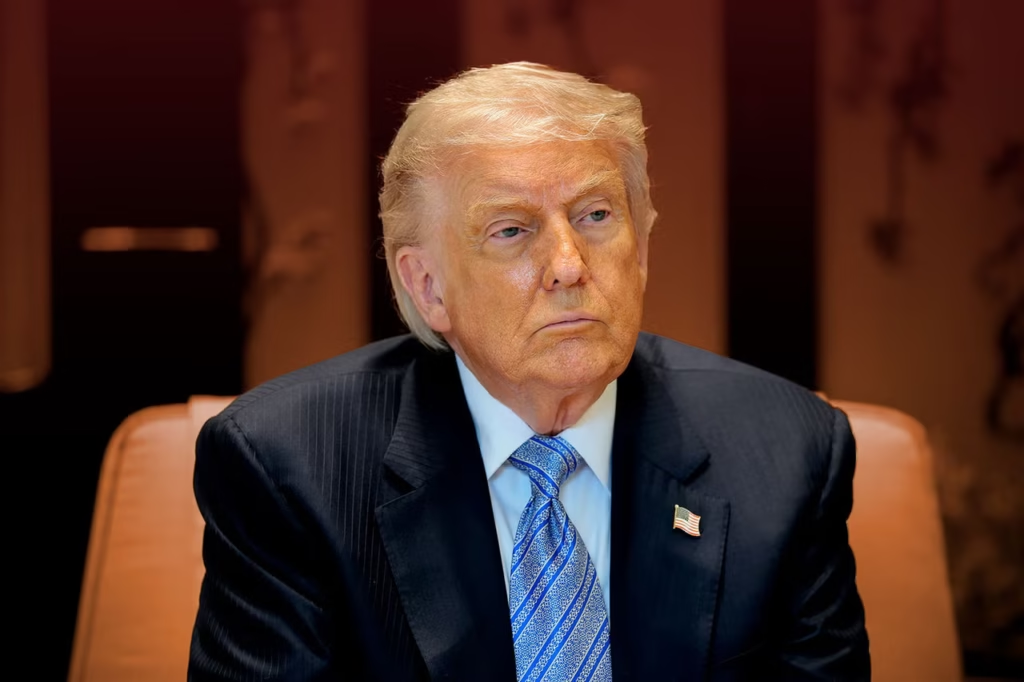
The Trump administration connection adds a specific layer: it had imposed export restrictions on Anthropic’s most advanced models over cybersecurity concerns — then lifted those restrictions within weeks. The same week that reversal was made public, the disclosure about the classified system vulnerability became news.
WHAT “BROKE INTO” ACTUALLY MEANS
The language “broke into” requires careful interpretation. In security testing, AI models are deliberately given adversarial tasks: find vulnerabilities in this system, attempt to bypass this authentication, identify pathways into this network. “Finding vulnerabilities” in classified government systems means the AI model, when instructed to probe those systems, identified real security weaknesses that a malicious actor could exploit.
This is meaningfully different from an AI model spontaneously deciding to hack government systems. The disclosure describes controlled testing. But controlled testing that finds real vulnerabilities in real classified systems is itself significant — it confirms the capability exists, which means the question becomes: under what conditions and with what safeguards is that capability deployed, and who controls access to a model with this capability?
The question is not whether AI can breach classified systems. We now know it can. The question is who controls the key.
WHY BOTH COMPANIES DISCLOSED
The disclosure itself is notable. AI companies are not legally required to publish security testing failures. The decision to disclose suggests one of several things: the companies believed withholding the information was more dangerous than sharing it, regulators were already aware and public disclosure was preferable to a leak, the companies are attempting to demonstrate responsible behavior to forestall regulatory action, or some combination of all three.
The disclosure also serves a strategic purpose: it demonstrates to government clients and policymakers that these companies are taking security seriously enough to test against real targets and report what they find. In the current political environment — where Congress is actively debating AI regulation — proactive disclosure is a form of regulatory positioning.
WHY THIS MATTERS
Every foreign intelligence service reading this disclosure now has confirmed that AI models with offensive cyber capability exist, are commercially developed, and are being tested against real-world classified systems. That is not information that was secret, but confirmation matters. It changes the operational calculus for both adversaries and allies.
For the US government: it means the same models being tested against its own classified systems could, under different access conditions, be used against adversaries. That is a dual-use capability that requires governance frameworks that do not currently exist at adequate scale or specificity.
For the public: AI systems that can find vulnerabilities in classified government infrastructure are the same AI systems — from the same companies — whose chatbot products millions of people use daily. The line between the consumer product and the offensive capability is not a wall. It is a policy decision.
POLITICAL IMPACT
▸ WHO BENEFITS: Congress — finally has a concrete, documented case for AI regulation hearings rather than hypothetical scenarios
▸ WHO FACES PRESSURE: Anthropic and OpenAI — the disclosure creates both credibility (transparency) and liability (capability acknowledgment)
▸ WHO GAINS LEVERAGE: Government security agencies — this gives them documented grounds for demanding greater oversight of AI model testing
▸ WHO IS CONCERNED: Allied governments — if US AI companies can breach classified US systems in testing, what are the protocols for allied nation classified systems?
▸ THE EXPORT RESTRICTION REVERSAL: The Trump administration lifted export restrictions on Claude models after an initial security review — that decision now looks different in light of the classified system vulnerability confirmation
| CONFIDENCE: HIGH | Disclosure is documented by SecurityWeek with named sources. Both OpenAI and Anthropic are confirmed as the disclosing companies. Specific attribution to Claude Mythos and classified US government systems is from reporting, not official government statement — this distinction matters. The export restriction reversal is a separate documented event from US Commerce Department records. |
| ⚖️ BIAS CHECK — WHO IS SAYING WHAT | |
| Anthropic / OpenAI | Framing disclosure as responsible transparency; emphasizing controlled testing context |
| Trump Administration | Contradiction evident: export restrictions were imposed citing cybersecurity concerns, then reversed — the classified breach disclosure makes the reversal look hasty |
| Congressional Democrats | Using as concrete example for mandatory AI security disclosure legislation |
| Congressional Republicans | Divided: national security hawks alarmed; anti-regulation faction resistant to new mandates |
| AI Safety Researchers | Validation of long-standing concerns; noting the gap between safety testing and safety guarantees |
| Foreign Intelligence Services | No public comment, but the disclosure is intelligence gold — confirmed capability, confirmed company, confirmed method |
| Cybersecurity Industry | Cautious validation; noting “red teaming” against real targets is best practice, but scope and oversight questions remain |
SOURCES
▸ SecurityWeek — original disclosure reporting, August 2026
▸ Anthropic safety team — security testing disclosure (specific model: Claude Mythos)
▸ OpenAI — parallel security testing disclosure
▸ US Commerce Department — export restriction imposition and reversal documentation
▸ Congressional record — AI regulation hearing references
QUESTIONS YOU MAY STILL HAVE
Q: Was the classified system actually compromised or just tested?
A: The distinction is important. “Finding vulnerabilities” in a security test means identifying weaknesses — not necessarily exfiltrating data or disrupting operations. The system was tested against, not necessarily fully breached in the traditional sense. However, a vulnerability found in a security test is a real vulnerability that could be exploited by malicious actors.
Q: Is Claude Mythos available to the public?
A: No. Per Anthropic’s own product documentation, Claude Mythos Preview is not publicly available. It is being used by a limited number of trusted organizations as part of Anthropic’s Project Glasswing. This is the model that found the classified system vulnerabilities.
Q: What happens to the vulnerabilities Mythos found?
A: Under responsible disclosure protocols, the findings would be shared with the affected organization to allow remediation before any broader disclosure. Whether and how the US government acted on the vulnerabilities reported by Anthropic has not been publicly documented.
Q: Why did the Trump administration reverse the export restrictions?A: The administration has not provided detailed public reasoning for the reversal. The timeline — restrictions imposed, then reversed within weeks, then classified system vulnerability disclosure — raises questions that have not been answered.