Three major institutional developments occurred in a single news cycle this week, each significant on its own: the Supreme Court ruled that constitutional privacy protections extend to cellphone users’ location history, Dr. Erica Schwartz’s nomination as the 22nd CDC director advanced toward a full Senate vote, and the water systems cyberattack across seven states demonstrated what happens when national cybersecurity infrastructure is underfunded. Together they represent a snapshot of American institutions operating simultaneously under strain and as designed — not always the same story.
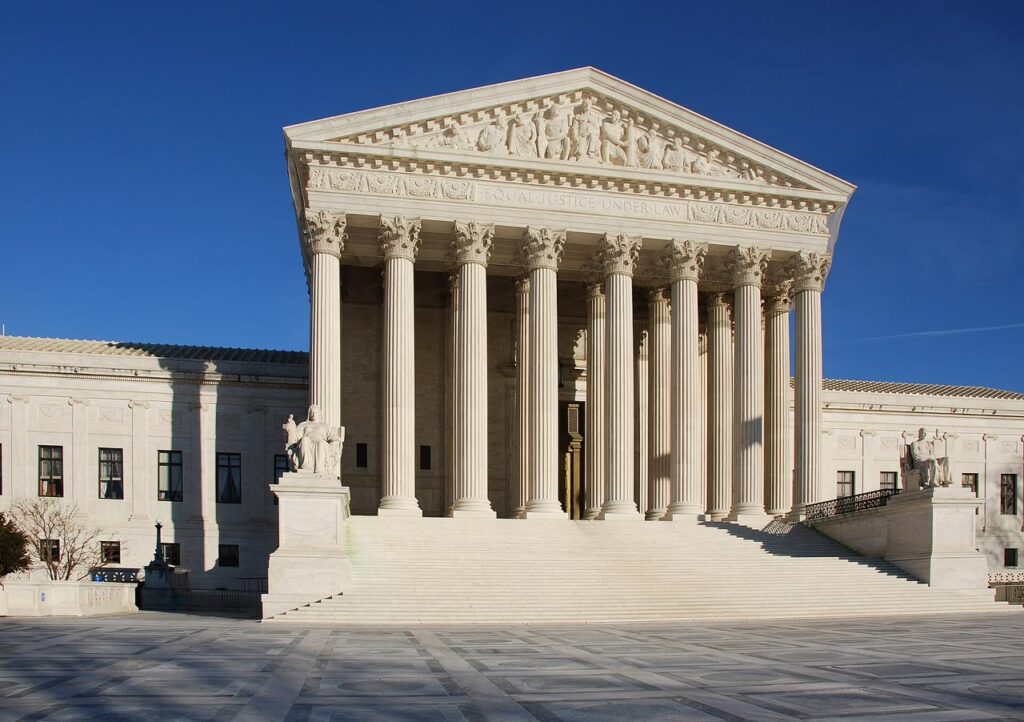
THE SUPREME COURT CELLPHONE PRIVACY RULING
The Court’s ruling that constitutional privacy protections extend to cellphone location history builds on its 2018 Carpenter v. United States decision, which held that law enforcement generally needs a warrant to access historical cellphone location records from carriers. This week’s ruling extends that logic further — clarifying that users have a reasonable expectation of privacy in their location data even when accessed through third-party data brokers or aggregators, not just carriers directly.
Why it matters: location data is the most intimate category of digital information most people generate. Your phone’s location history reveals where you worship, who you see a doctor with, whether you attend political rallies, where you sleep. A warrant requirement for that data is a meaningful Fourth Amendment protection in a world where that data is bought and sold commercially.
Location data is not metadata. It is a diary of everywhere you have been. The Court recognized that.
THE CDC DIRECTOR NOMINATION
Dr. Erica Schwartz’s nomination as the 22nd CDC director is advancing toward a full Senate vote. Schwartz is a physician-scientist with a background in clinical medicine and public health policy. Her nomination has not generated significant public controversy, which is itself noteworthy — CDC leadership has been intensely politicized since COVID-19, and a relatively low-controversy advancement suggests either genuine bipartisan comfort with her credentials or a decision by both parties to deprioritize the fight.
The CDC directorship matters significantly right now: the agency is responsible for disease surveillance, pandemic preparedness, and public health guidance at a moment when public trust in federal health institutions remains damaged from COVID-era communication failures. Who leads the agency, and how they rebuild credibility, will matter.
ALL THREE STORIES IN ONE FRAME
What connects the privacy ruling, the CDC nomination, and the water systems attack is a single theme: the capacity and credibility of American federal institutions. A Supreme Court protecting digital privacy, a public health agency getting leadership, and a critical infrastructure agency operating with reduced capacity after DOGE cuts — all in the same week — is a portrait of an institutional ecosystem under varying degrees of stress.
WHY THIS MATTERS
For most Americans, these three stories feel separate. They are not. The same federal government that is responsible for protecting your cellphone location data (ruling), managing pandemic response (CDC), and defending your water supply (CISA) is also the government making budget decisions about which of those functions to fund. This week made all three simultaneously visible.
| CONFIDENCE: HIGH | Supreme Court ruling is a matter of public legal record. Schwartz nomination advancement is confirmed by Senate Judiciary Committee process. Water cyberattack coverage is documented separately in Story 1. All three events occurred in the same news cycle and are verified. |
SOURCES
▸ US Supreme Court — ruling on cellphone location privacy, August 2026
▸ Senate Judiciary Committee — Erica Schwartz CDC nomination advancement record
▸ NPR — CDC director nomination reporting
▸ FBI / CISA — water systems cyberattack confirmation (cross-reference Story 1)
QUESTIONS YOU MAY STILL HAVE
Q: What does the cellphone ruling mean for law enforcement?
A: Police and federal investigators must now obtain a warrant to access cellphone location history through third-party data brokers — closing a loophole where investigators bypassed the warrant requirement by purchasing commercially available data rather than requesting it from carriers.
Q: Who is Dr. Erica Schwartz?
A: A physician-scientist with a background in clinical research and public health policy. Her specific prior positions have not been fully detailed in available pre-vote reporting. Her nomination advancing without significant controversy is itself the notable political fact.