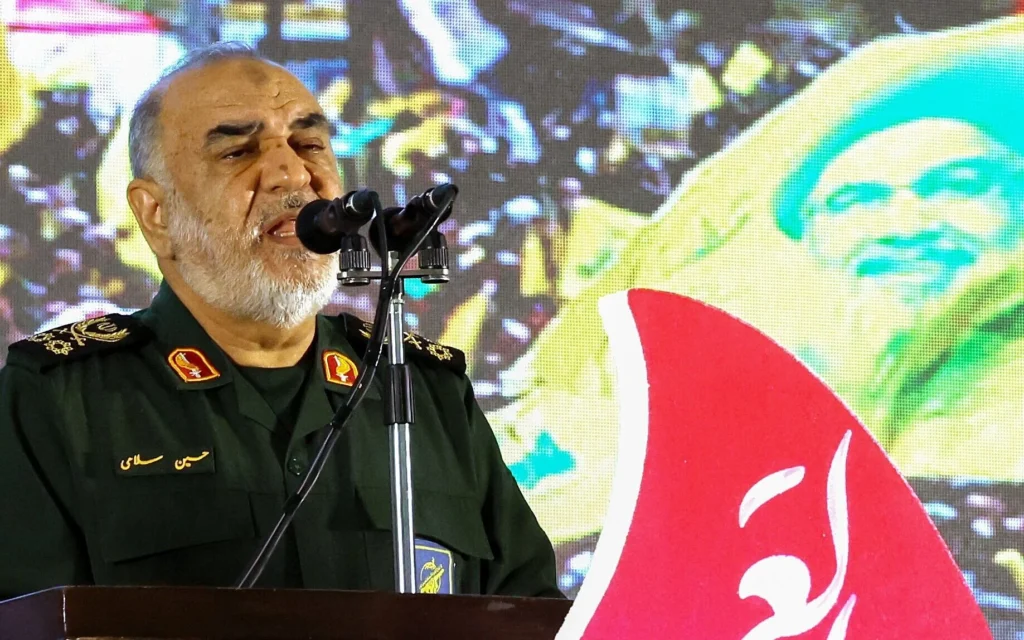
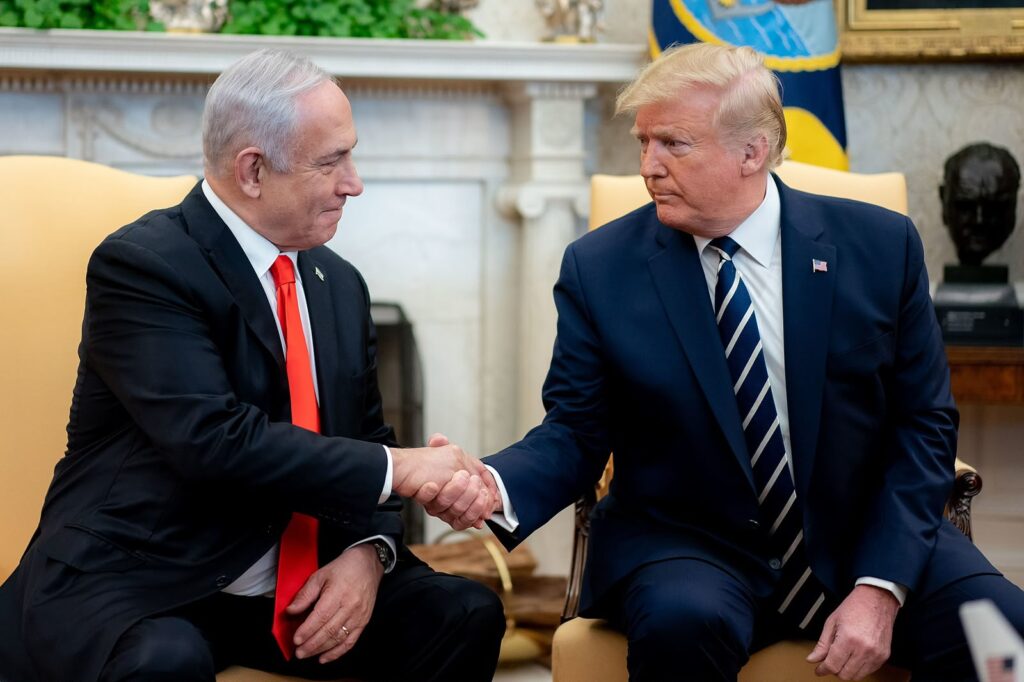
CBS News confirmed Trump met separately with Saudi Arabia’s defense minister and Israeli Prime Minister Netanyahu during the same week — and that Netanyahu specifically presented Trump with “three options for the war” against Iran. The content of those three options has not been publicly disclosed. The meeting occurred as CBS polling shows 61% of Americans disapprove of the Iran war, as most Americans now believe the conflict will last “months or years longer,” and as the Strait of Hormuz remains a critical energy chokepoint operating at a fraction of normal capacity.
2-MINUTE CONTEXT — WHY THESE TWO MEETINGS MATTER TOGETHER
Saudi Arabia and Israel are the two most important US allies in any strategic posture toward Iran. Their interests partly overlap (both want to contain Iranian regional influence) and partly diverge (Saudi Arabia cannot publicly coordinate with Israel on almost anything without domestic and regional political consequences). The fact that Trump met with both in the same week — presumably discussing the same war — suggests the US is attempting to coordinate a strategy that requires both parties to align.
Netanyahu’s “three options” framing is a classic decision-forcing move. By presenting structured alternatives rather than open-ended discussion, Netanyahu gives Trump a framework that shapes how Trump thinks about the choices available. The specific content of the three options — whether they involve military escalation, a negotiated settlement, a phased withdrawal, or some combination — will determine which direction the war moves.
Saudi Arabia’s role is different but equally important. Riyadh controls significant oil production capacity that affects global energy prices directly connected to Trump’s domestic approval collapse. Saudi Arabia also has back-channel relationships with Iran that could theoretically facilitate a negotiated off-ramp if Riyadh chose to exercise them. The defense minister meeting suggests the US is either coordinating on military options or trying to manage the energy price dimension, or both.
THE THREE OPTIONS WE DON’T KNOW
The contents of Netanyahu’s three options are not publicly known. But based on the established military and diplomatic landscape of the conflict, informed analysis can identify the likely categories:
▸ ESCALATE: Expand military operations against Iranian targets — including potentially energy infrastructure, nuclear sites, or IRGC command structures — to force a decisive Iranian concession
▸ SUSTAIN: Maintain current military pressure while using the US naval blockade and economic isolation to erode Iranian capacity over time, waiting for internal fracture
▸ NEGOTIATE: Accept a face-saving settlement involving limited Iranian concessions on nuclear development and/or IRGC restraint, in exchange for lifting of some economic restrictions and US withdrawal from active military operations
None of these options is without significant costs. Escalation risks a wider regional war and Iranian retaliation against Gulf state energy infrastructure. Sustain risks a prolonged conflict that continues bleeding US public support and global energy markets. Negotiate risks a deal that hardliners in both Israel and the US frame as capitulation.
WHY THIS MATTERS — THE DECISION POINT
This week’s meetings may be the most consequential diplomatic conversations of the Iran war to date. Trump is being briefed simultaneously by Saudi Arabia (energy and regional stability) and Israel (military options and threat assessment) as his own domestic political support collapses and midterms approach. The convergence of those pressures on a single decision — what to do with the Iran war — is the defining strategic moment of the second half of 2026.
CBS polling found that most Americans now expect the war to last “months or years longer.” That expectation, if it hardens, becomes its own political reality — people stop expecting resolution and start making peace with indefinite conflict, which removes the political urgency for a deal even as the costs accumulate.
POLITICAL IMPACT
| WHO BENEFITS | WHO FACES THE HARDEST CHOICES |
| Netanyahu — shapes Trump’s decision framework with his three options | Trump — must choose among options with no good domestic political outcome |
| Saudi Arabia — valued as indispensable broker regardless of outcome | Republican midterm candidates — any choice prolongs or escalates the problem |
| US defense industry — all three options require continued military spending | Iran — under pressure but three options all imply continued conflict |
| Gulf states (if oil production coordinated) — energy leverage | Global energy markets — every week of uncertainty is a cost |
WHAT HAPPENS NEXT
▸ Watch for any change in US military posture in the Gulf — an escalation option would show up in deployments first
▸ The Hormuz strait situation is the clearest indicator of which option is being pursued — full reopening suggests negotiation, continued restriction suggests sustain or escalate
▸ Saudi Arabia oil production decisions in the next 30 days will signal whether Riyadh is coordinating on an energy-price component of the strategy
▸ Any formal ceasefire proposal from Iran — or from Qatar/Turkey/Egypt on Iran’s behalf — would indicate the negotiate track is live
▸ Congressional pressure for war powers review is growing — if Trump escalates significantly without congressional authorization, expect a legislative confrontation
GLOBAL IMPACT
For oil markets: the choice Trump makes in the next weeks will determine whether Hormuz reopens (negotiate), stays partially closed (sustain), or faces a new escalation phase. Each scenario has a different oil price trajectory. Analysts are watching for the decision signal.
For US allies in Europe and Asia: the war is already causing economic damage through energy prices and supply chain disruption. A protracted sustain strategy means months more of those costs. An escalation means potential direct disruption to Gulf state energy infrastructure. A negotiated end means the fastest path to market normalization, but with geopolitical strings.
| CONFIDENCE: MODERATE | CBS News confirmation of the meetings is documented. Netanyahu’s “three options” briefing is reported by CBS but the content of the three options is not publicly disclosed. Analysis of what those options likely contain is ONYX editorial inference based on established strategic context — not confirmed reporting. Polling figures are from published CBS surveys. |
| ⚖️ BIAS CHECK — WHO IS SAYING WHAT | |
| Israel / Netanyahu | Framing “three options” as structured strategic advice from a key ally; Israel has consistently pushed for more decisive military action |
| Saudi Arabia | Publicly quiet; privately interested in both military resolution and energy price stability — possibly contradictory goals |
| Trump | Presenting the meetings as engaged, active leadership; has not disclosed any decisions made |
| Democrats | Citing “months or years longer” polling expectation as evidence of strategic failure |
| Republican Hawks | Favoring the escalate option; arguing containment hasn’t worked and negotiate signals weakness |
| International Media | Noting the simultaneous Saudi and Israel meetings as a potential strategic convergence moment |
SOURCES
▸ CBS News — confirmed Trump meetings with Saudi defense minister and Netanyahu, August 2026
▸ CBS News — Netanyahu “three options for the war” characterization
▸ CBS News/YouGov poll — 61% disapprove of war, “months or years” expectation
QUESTIONS YOU MAY STILL HAVE
Q: What are the actual three options Netanyahu presented?
A: Not publicly disclosed. Our editorial analysis identifies the strategic options landscape based on established military and diplomatic context — this is not confirmed reporting of the specific three options Netanyahu described.
Q: Why is Saudi Arabia involved in what is nominally a US-Iran war?
A: Saudi Arabia is the world’s largest oil exporter and shares a border with Yemen, which Iran uses as a proxy. Any Iran war outcome directly affects Saudi security and energy revenues. Riyadh is not a combatant but is a critical stakeholder in every possible outcome.
Q: What happens if Trump picks the escalation option?
A: Escalation would likely mean direct US strikes on Iranian energy infrastructure or expanded naval operations in the Gulf. Iran would likely retaliate against Gulf state facilities. Oil prices would spike further. The political consequences domestically would be significant — 61% already disapprove.