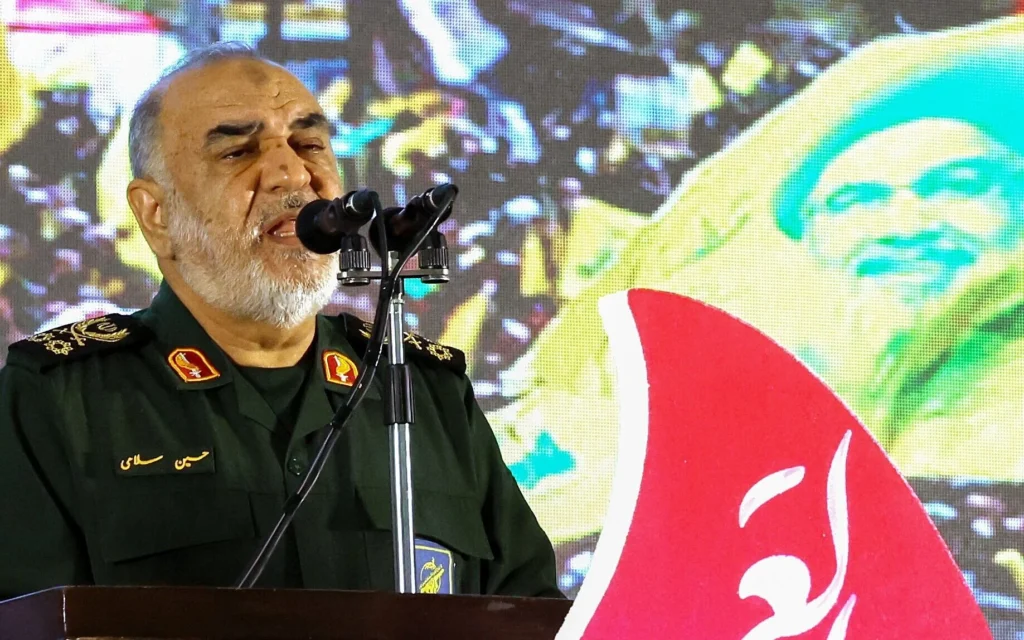
A senior Iranian security official told state-affiliated Tasnim News Agency that US media reports of possible strikes on Iranian infrastructure amounted to “a kind of madness.” In the same statement, the official confirmed Tehran has prepared “extensive response plans” including strikes on Israeli infrastructure. This is not an accidental juxtaposition. It is a deliberate communication strategy: dismiss the threat’s credibility publicly while simultaneously confirming you are fully prepared to respond to it.

THE STRATEGIC COMMUNICATION LOGIC
“A kind of madness” serves a specific function: it is designed to communicate that Iran is not intimidated. If Iran acknowledged the threat was credible and alarming, it would signal vulnerability — which would invite more pressure. Calling the reports “madness” maintains the posture of a power that doesn’t take ultimatums seriously.
Simultaneously confirming “extensive response plans” targeting Israeli infrastructure serves a different function: it is designed to communicate to Israel and the US that any strike will have consequences, and those consequences are planned in detail. This is deterrence messaging directed at Tel Aviv as much as Washington.
The combination — “this is madness / we are fully prepared” — is Iranian strategic communication 101. It has been used in virtually every escalation cycle of this conflict. Understanding it as deliberate messaging rather than genuine contradiction is important for reading Iranian statements accurately.
| CONFIDENCE: HIGH | Tasnim News Agency quote is documented. The analytical interpretation of Iranian strategic communication as deliberate messaging is ONYX editorial analysis based on documented patterns of Iranian official communication in prior escalation cycles. |
SOURCES
▸ Tasnim News Agency (Iran state-affiliated) — senior security official quote, August 3, 2026
▸ Pattern of Iranian strategic communication in prior escalation cycles — documented in prior reporting