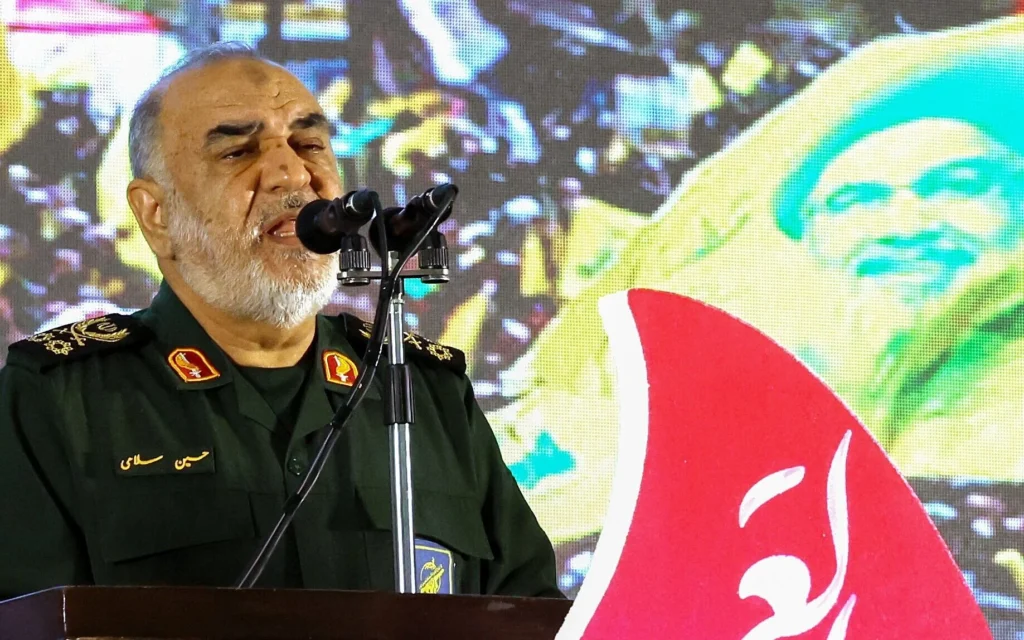
Iranian Foreign Minister Abbas Araghchi issued a direct personal warning to both the United States and Israel against pursuing further military action — and did so in the same window that Trump was reportedly finalizing strike plans and MBS was calling to urge de-escalation. Hours later, Trump announced the strikes were canceled. The question of what drove the cancellation — Araghchi’s warning, MBS’s call, some combination, or something else entirely — remains genuinely ambiguous.
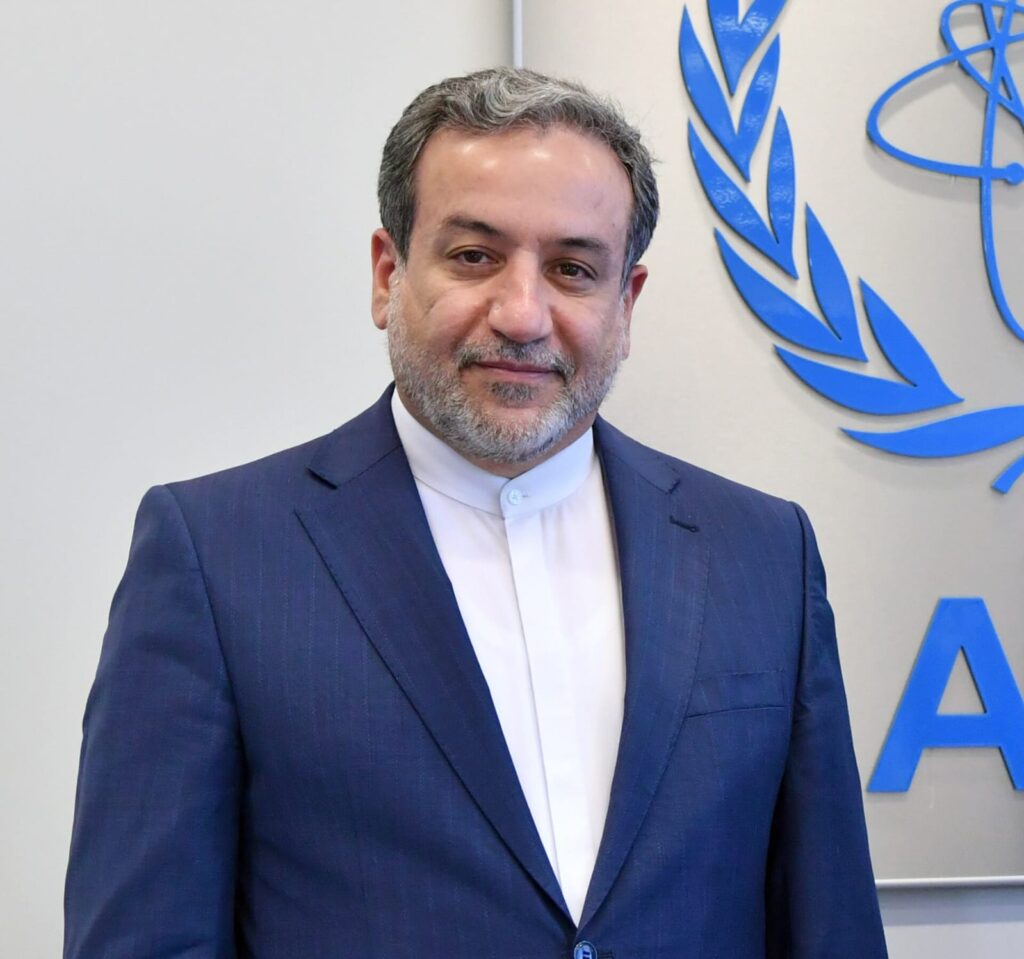
THE AMBIGUITY ABOUT WHAT ACTUALLY DROVE THE DECISION
Trump’s own account credits Iran and “other Middle Eastern countries” asking him to hold off. Axios’s reporting places MBS’s call as a key proximate factor. Araghchi’s warning was a separate, parallel signal from Tehran itself. These are three different communication vectors all pointing in the same direction on the same day.
It is unlikely that any single communication was the sole driver. Presidential military decisions of this magnitude reflect multiple inputs — intelligence assessments, allied pressure, domestic political calculations, and direct adversary signaling all feed into the decision. The convergence of MBS calling, four other countries lobbying, Iran’s FM warning, and Iran’s state media signaling readiness for retaliation all combined to create a political and strategic environment in which the calculus for proceeding changed.
When five countries are lobbying against a strike, the foreign minister of the target country issues a direct warning, and oil prices are already at politically damaging levels — the military option looks different than it did when the planning started.
ARAGHCHI’S SPECIFIC LANGUAGE
Araghchi’s warning was specifically directed at both the US and Israel. The dual addressee matters: it signals that Iran holds both responsible for any strike, and that retaliation would not necessarily distinguish between US and Israeli targets. This is the same dual-threat structure that Iranian security officials expressed in their “extensive response plans” statement.
For Israel, this is significant: if the US stands down but Israel attempts the operation unilaterally, Araghchi’s warning suggests Iran would treat that as equivalent to a joint strike. The specific warning to Israel, in the context of Israeli silence on the cancellation, is a signal directed at Tel Aviv that any independent Israeli action would not be treated differently from joint action.
WHY THIS MATTERS
Araghchi’s warning being issued before the cancellation, and the cancellation happening after it, does not prove causation. But the pattern of what happened — warning, MBS call, cancellation — is the sequence that both the Trump administration and Iran will interpret for lessons about what works as communication. Iran will conclude that a combination of FM warning plus state media preparation plus Gulf state lobbying produces stand-downs. That is a lesson that will inform Iranian strategy in the next cycle.
| CONFIDENCE: MODERATE | Araghchi warning is documented from Iranian state media. MBS call and Trump cancellation are separately documented. The causal relationship between the warning and the cancellation is inferred from sequence, not from any public statement acknowledging causation. |
| ⚖️ BIAS CHECK — WHO IS SAYING WHAT | |
| Iran | Will characterize the stand-down as evidence that its deterrence posture works; will not publicly claim credit in a way that undercuts Trump’s deal framing |
| Trump / White House | Attributing the stand-down to diplomatic progress, not to Iranian deterrence signaling |
| Israel | Silent on the cancellation; Araghchi’s specific warning to Israel about unilateral action may be a factor in that silence |
| International Analysts | Assessing the sequence as a convergence of deterrence signals from multiple sources rather than any single cause |
SOURCES
▸ Abbas Araghchi — warning to US and Israel, August 2, 2026
▸ Axios — MBS call confirmation
▸ Trump Truth Social — cancellation announcement