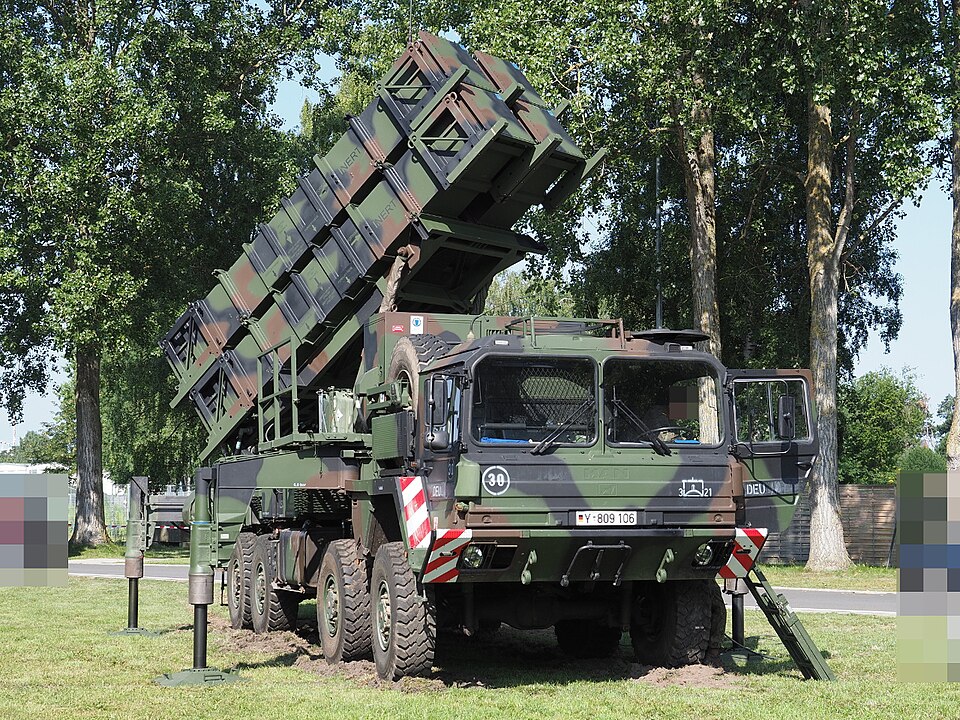
As the US Patriot stockpile has fallen to 800 interceptors, Gulf allies who operate their own Patriot systems — Saudi Arabia, UAE, Qatar, Kuwait — are increasingly concerned about their ability to resupply if the Iran conflict resumes at scale. NPR reports this quiet anxiety building in Gulf capitals: if the US itself is running low on PAC-3 MSE interceptors, who gets priority in the next allocation? The US forward-deployed forces? Ukraine? Or the Gulf states whose own security depends on Patriot air defense?
THE SPECIFIC VULNERABILITY
Gulf states operate Patriot batteries they have purchased from the US. They maintain their own interceptor inventories — but those inventories are resupplied from the same US production pipeline that is now unable to keep pace with wartime consumption. When Saudi Arabia or the UAE fires Patriot interceptors against Iranian ballistic missiles, they are drawing from a pool whose US replenishment source is itself constrained.
The 2019 Abqaiq-Khurais attacks demonstrated that Iranian munitions can reach Saudi energy infrastructure. If a renewed Iranian escalation includes sustained ballistic missile attacks against Gulf states, those states’ Patriot batteries will fire — and every interceptor they fire is one their governments need to replace. From the same US production pipeline that is producing fewer than 1,000 a year.
| CONFIDENCE: HIGH | Gulf ally Patriot dependency is established fact. NPR reporting on Gulf state concern is documented. Production pipeline constraint is documented in Story 1 context. The prioritization dilemma is ONYX editorial analysis of documented facts. |
SOURCES
▸ NPR — Gulf allies’ Patriot resupply concerns
▸ CSIS — stockpile figures
▸ Historical: 2019 Abqaiq-Khurais attack on Saudi energy infrastructure