
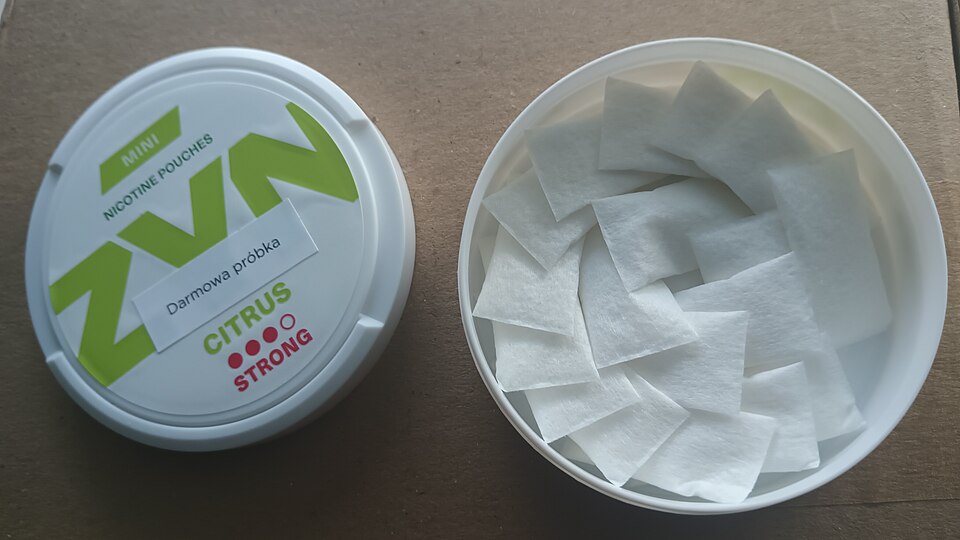
Nicotine pouches — small, tobacco-leaf-free pouches placed under the lip that deliver nicotine — are increasingly marketed as a “lower risk” alternative to traditional cigarettes. Public health researchers are now raising a specific concern: the “lower risk” framing may be encouraging new nicotine use among non-smokers rather than simply offering existing smokers a genuinely safer alternative. The products are lower risk than cigarettes in specific ways. Whether they are appropriate for people who would not otherwise use nicotine is a different question.
THE SPECIFIC PUBLIC HEALTH CONCERN
Cigarettes kill approximately 480,000 Americans annually — they are the leading cause of preventable death in the United States. A product that gives cigarette smokers a way to get nicotine without the combustion products in smoke — the actual carcinogens that cause lung cancer, heart disease, and stroke — is a genuine harm reduction tool for existing smokers.
The problem the researchers identify is marketing that reaches non-smokers — particularly younger people — with the “lower risk” message. If someone who would never have smoked a cigarette uses a nicotine pouch because they’ve been told it’s relatively safe, they have been inducted into nicotine addiction without the comparison to cigarettes being meaningful for them. For a never-smoker, the comparison to a cigarette is irrelevant. The relevant comparison is zero nicotine.
The regulatory question is whether the FDA’s “modified risk tobacco product” framework adequately captures this distinction — a product can be lower risk than cigarettes while still being harmful for never-users.
| CONFIDENCE: HIGH | NPR reporting on nicotine pouch marketing concerns is documented. Public health researcher concerns are from documented academic literature. FDA modified risk framework is established regulatory record. |
SOURCES
▸ NPR — nicotine pouch marketing health concerns, August 2026
▸ FDA — modified risk tobacco product regulatory framework
▸ Public health literature — nicotine pouch harm profile