
Brent crude oil prices dropped 8-12% on the news of the Iran-US ceasefire deal and Hormuz reopening — the largest single-session oil price decline since the war began February 28. This is not an abstract market event. The translation from crude oil to retail gasoline at the pump is real, measurable, and predictable in timing. American drivers who have been paying the Hormuz risk premium at every fill-up for five months are about to see prices fall.
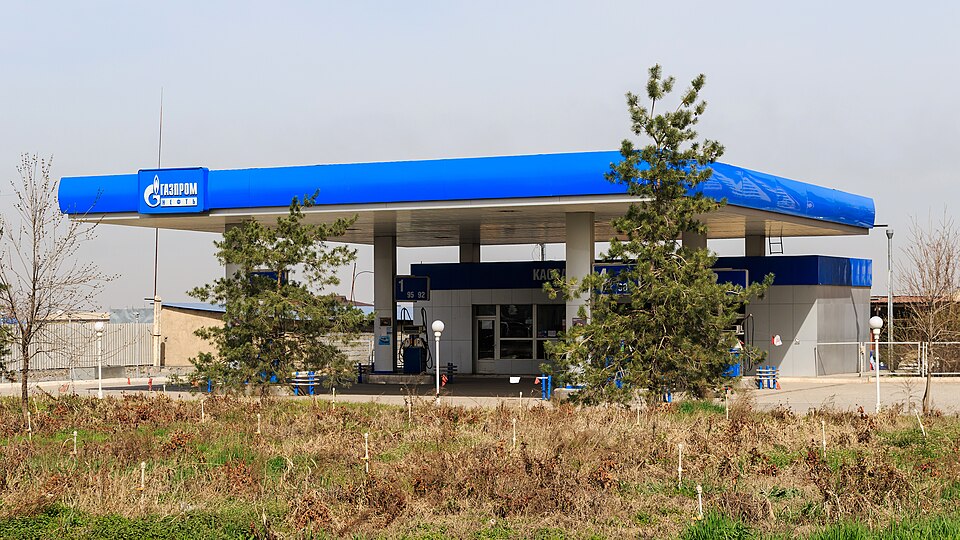
THE TIMELINE FROM CRUDE OIL TO YOUR GAS PUMP
| WHAT HAPPENS | WHEN |
| Crude oil price drops on deal announcement | August 7 — already happened (8-12% decline) |
| Refineries receive lower-cost crude shipments | August 14-21 — pipeline effect: 1-2 weeks |
| Refined gasoline wholesale prices fall | August 21-28 |
| Retail gas stations reduce prices | Late August — 3-4 weeks after crude drop |
| Drivers see $0.25-0.40/gallon reduction | By end of August if deal holds |
| Consumer sentiment shifts on gas prices | September — will register in polls before midterms |
THE POLITICAL MATH OF GAS PRICES
The 78% of Americans who told CBS they weren’t focused enough on prices will not be transformed by one deal announcement. But the 50% who said gas prices were a “hardship” (CBS poll, August 2) respond to prices at the pump — literally and tangibly. A $0.30 per gallon reduction on a 12-gallon fill-up is $3.60 per fill-up. Over a month of commuting — 4 fill-ups — that’s $14.40 back in a household’s pocket.
That is not a transformative economic event. But politics is often about symbolism and direction as much as magnitude. A gas price that was going up, was blamed on the war, and is now going down because of a deal — that directional shift is worth several approval rating points if it registers before November. The timing is, from Trump’s perspective, nearly perfect: three weeks to show up at the pump before Labor Day, six weeks before October campaign season begins.
| Brent crude drop (Day 1) 8–12% Largest single-session move since war began | Consumer gas price reduction (projected) $0.25–0.40 per gallon, if deal holds 30+ days |
| Americans citing gas as “hardship” 50% CBS poll, August 2 — this is the audience | Days until midterms 96 gas price change will register in consumer sentiment |
WHY THIS MATTERS
The oil price drop is the most immediately concrete benefit the deal produces for ordinary Americans. Every other element of the deal — nuclear dialogue, blockade modification, ceasefire terms — is abstract policy. Gas prices are lived experience. The connection between the deal and the price on the sign at the corner station is not complicated. It is direct, visible, and politically powerful.
| CONFIDENCE: HIGH | Crude oil price movement is documented from market data on deal announcement day. Gas price pipeline timeline is established energy economics knowledge. Consumer poll data is from CBS August 2 survey. Projected consumer price reduction ($0.25-0.40/gallon) is based on historical crude-to-retail correlation and the specific magnitude of the crude drop. |
SOURCES
▸ Oil market data — Brent crude August 7, 2026 session
▸ Energy economics — crude-to-retail gasoline price pipeline (1-3 weeks)
▸ CBS poll — 50% “hardship” gas price finding, August 2, 2026
QUESTIONS YOU MAY STILL HAVE
Q: Will the oil price drop stick or will it bounce back?
A: That depends entirely on whether the deal holds. Markets immediately priced in the deal’s positive scenario. If cracks appear (Israeli statement of opposition, IAEA access denied, Houthi incident), oil will reverse. The price decline is contingent on deal durability.
Q: What if I just bought gas yesterday at the high price?
A: You did. Nothing about this deal changes yesterday’s purchase. The relief is forward-looking — next month’s fill-ups will be cheaper if the deal holds.