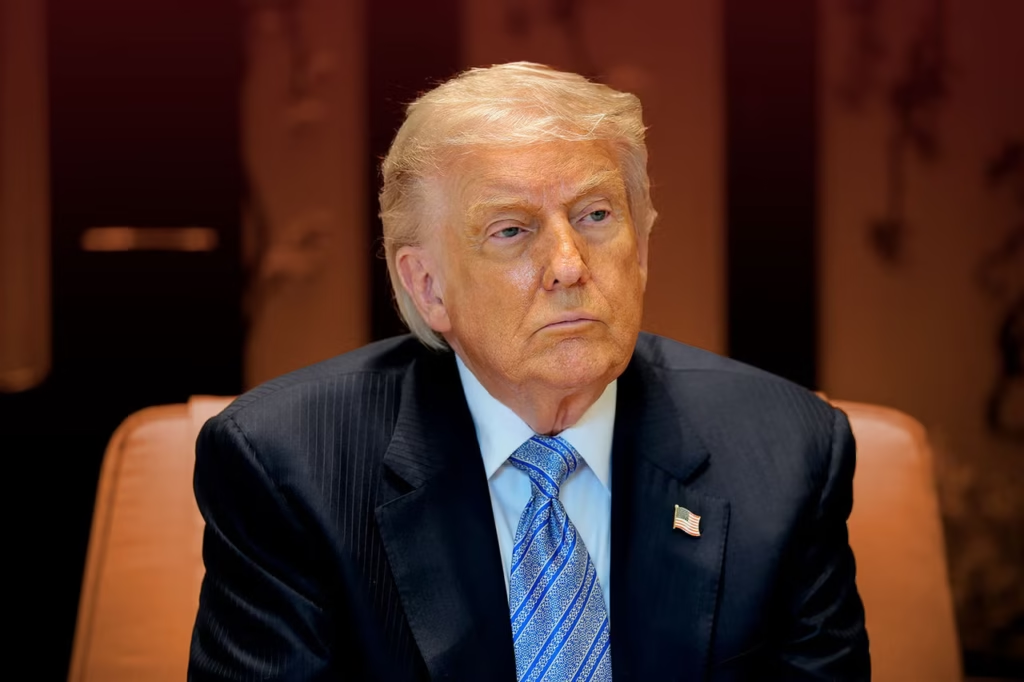
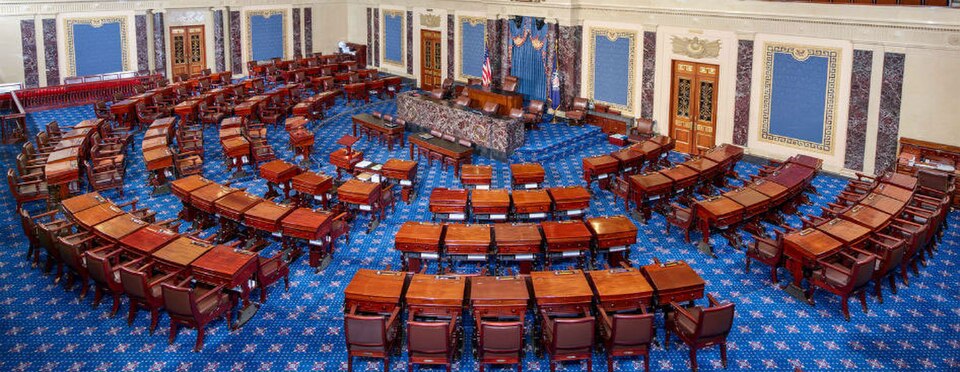
A bloc of Republican senators — led by Lisa Murkowski and Susan Collins, with at least two others expressing concern — are blocking elements of the spending package associated with the “Big Beautiful Bill” in the Senate. Their specific objections vary, but the common thread is that the cuts proposed disproportionately harm their specific constituencies: Alaska Native communities (Murkowski), Maine fishing and healthcare communities (Collins), and in other cases, rural hospital funding and Medicaid expansion states. This is not a philosophical objection to spending cuts — it is constituency-specific resistance from members who cannot vote to harm their own voters.
WHO IS BLOCKING WHAT
| SENATOR / OBJECTION | SPECIFIC CONSTITUENCY CONCERN |
| Murkowski (AK) — Alaska Native programs | Proposed cuts to Indian Health Service and tribal programs disproportionately affect Alaska Native communities |
| Collins (ME) — Healthcare and Medicaid | Maine expanded Medicaid under ACA; cuts threaten coverage for working-poor Mainers who are Collins voters |
| Other members (unnamed) — Rural hospitals | Rural hospital funding cuts threatened facility closures in states where no alternative exists |
| Fiscal moderates — Debt ceiling sequencing | Concerned about the pace and targeting of cuts; want phased approach, not acute reductions |
WHY THIS MATTERS
The Republican Senate majority is slim. Four senators expressing resistance — or even two — is enough to block legislation that requires 51 votes. Collins and Murkowski have both broken with Republican leadership before on high-profile votes (ACA repeal, impeachment). Their resistance here is not performative — it is based on real constituency calculus.
The Iran deal’s announcement today does not make this problem disappear. The spending package negotiations are in the Senate on a different track from the Iran deal. The same senators who need to pass the spending bill are also the ones who need to run for re-election in states where the specific cuts are visible and harmful.
For Murkowski specifically: Alaska Native health programs are not abstract. The Indian Health Service serves communities with no alternative healthcare provider. A vote for cuts to those programs is a vote that will be held against her in Alaska for a decade.
POLITICAL IMPACT
▸ MAJORITY LEADER — must either negotiate accommodations for Murkowski and Collins or try to pass the package over their objections, which may not be arithmetically possible
▸ HOUSE FREEDOM CAUCUS — will push back against any Senate modifications that dilute the cuts they demanded in the original House bill
▸ TRUMP — needs the spending bill to advance his fiscal agenda; the Senate rebellion is an intra-party complication even on the day of an Iran deal win
▸ MURKOWSKI AND COLLINS — using leverage that is real; they are not posturing; they need constituent-specific protections
WHAT HAPPENS NEXT
▸ Negotiations between Senate leadership and the rebel bloc will continue; carve-outs for Alaska Native programs and specific Medicaid protections are the likely resolution path
▸ House Freedom Caucus will demand the Senate version be brought back to conference if significant changes are made
▸ Watch for a floor vote schedule announcement — if leadership schedules a vote without resolving Murkowski and Collins, it will fail
| CONFIDENCE: HIGH | Murkowski and Collins resistance is documented by multiple reporting outlets. Their specific constituency objections are from their own public statements. Senate vote arithmetic is established. |
| ⚖️ BIAS CHECK — WHO IS SAYING WHAT | |
| Murkowski / Collins | Framing as protecting vulnerable constituents; not opposed to fiscal responsibility but to disproportionate harm to specific communities |
| Senate Republican Leadership | Pressuring the rebels; arguing the package is necessary for fiscal stability; looking for minimum-viable accommodations |
| House Freedom Caucus | Will not accept Senate modifications easily; may demand conference committee if package is significantly changed |
| Democrats | Using the intra-party rebellion to argue the cuts are harmful; offering no votes but using the spectacle to make the political case |
| Alaska Native organizations | Formally lobbying against the Indian Health Service cuts; Murkowski’s constituents are actively engaged |
SOURCES
▸ Multiple Senate reporting outlets — Murkowski, Collins resistance documentation
▸ Congressional record — Alaska Native program funding structure
▸ Maine Medicaid expansion status — established regulatory record