Both Trump and Iran have confirmed the ceasefire deal. Every major party — US, Iran, Oman, Qatar — has made some form of public acknowledgment. The Israeli government has said nothing. This is the third major diplomatic announcement in this conflict in which Netanyahu’s silence has been the most significant diplomatic signal: August 1 (Gaza deal), August 2 (bombing cancellation), August 7 (ceasefire). The silence is not administrative delay. It is a strategic choice.
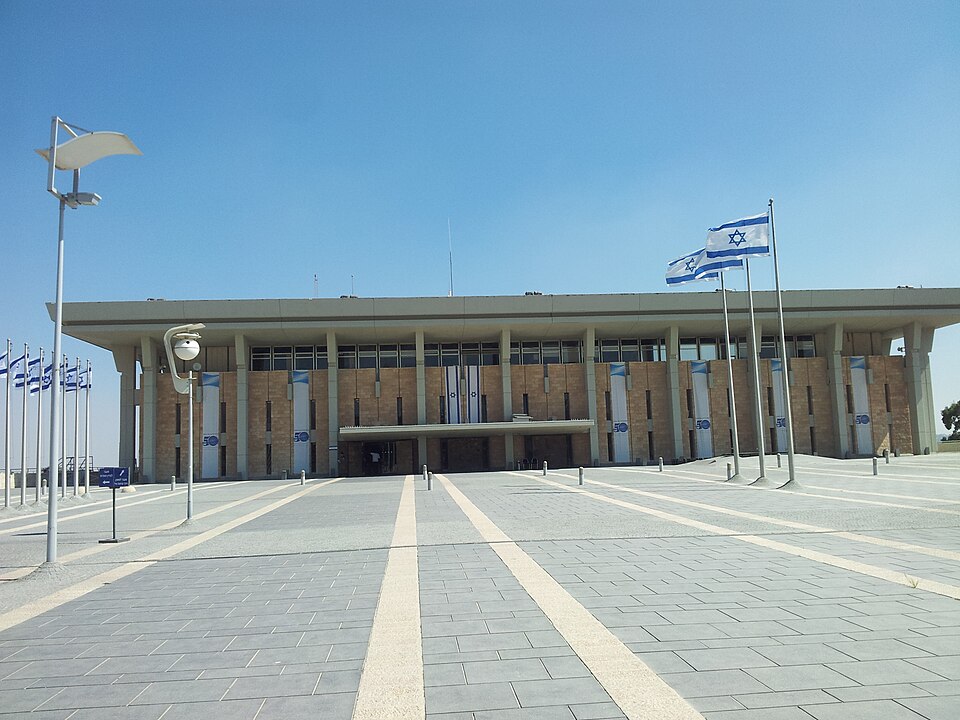
THE THREE SILENCES — WHAT THEY ADD UP TO
📅 NEWS EVOLUTION
Aug 1, 2026: Trump announces Hamas disarmament deal in Gaza. Netanyahu: silence.
Aug 2, 2026: Trump announces Iran bombing canceled; claims deal. Netanyahu: silence.
Aug 7, 2026: US-Iran ceasefire formally signed. Netanyahu: silence.
Pattern: Three major diplomatic announcements in 6 days. Zero public Israeli responses.
The accumulation of three consecutive silences is not coincidental. Netanyahu is managing a specific set of constraints that make any public response to these announcements politically costly.
WHY NETANYAHU CAN’T EASILY SPEAK
Coalition constraint: Netanyahu’s government includes Itamar Ben Gvir (Otzma Yehudit) and Bezalel Smotrich (Religious Zionism) — both of whom have explicitly stated that any deal leaving Iran with nuclear enrichment capacity is unacceptable. If Netanyahu endorses a deal with a 20% enrichment cap, he potentially loses his coalition majority.
Military constraint: The IDF’s assessment of the 20% enrichment cap may be that it represents an unacceptable nuclear risk. If Israel’s own defense establishment is telling Netanyahu the deal is insufficient, he cannot publicly endorse what his military considers a threat.
Trump constraint: publicly contradicting Trump — who has described this as “Iran agreeing to all major demands” — carries diplomatic costs. Netanyahu needs US support for operations in Gaza, weapons supply, and diplomatic cover at the UN. Picking a public fight with Trump over the nuclear terms has real costs.
Netanyahu is facing a trap: endorse a deal his hard-liners and possibly his military view as insufficient, or publicly confront the US president who just called it historic. Silence is the only option that defers both costs.
| IF NETANYAHU ENDORSES | IF NETANYAHU REJECTS |
| Coalition collapse risk — Ben Gvir and Smotrich resign | Direct confrontation with Trump and the deal’s framework |
| Israeli right-wing base rebellion | Potential Israeli unilateral action that collapses the deal |
| Short-term diplomatic stability | International isolation if Israel collapses a ceasefire |
| Continued US military and diplomatic support | Forces US to choose between Israel and the deal |
WHAT THE SILENCE SIGNALS TO IRAN
Iranian intelligence is reading Netanyahu’s silence carefully. From Tehran’s perspective: silence is better than endorsement (endorsement would be humiliating), but silence is also better than rejection (rejection might mean Israeli military action). Silence means the deal has a chance to take root before Israel decides. The 60-day clock works in Iran’s favor if Israel stays silent — every day that passes with the deal operative is a day of economic relief and reduced military pressure.
WHAT HAPPENS NEXT
▸ Netanyahu must respond eventually — probably within 48-72 hours of the formal signing
▸ Watch for Israeli cabinet meeting — that is the formal venue for any Israeli government position
▸ Ben Gvir and Smotrich public statements will come before Netanyahu’s — they will establish the hard-line position first
▸ If Netanyahu qualifies the deal (“we reserve the right to respond to any Iranian nuclear violation”) that is the minimum statement that preserves his coalition while not collapsing the deal
▸ If Netanyahu rejects the deal, the five failure modes (Story 3) become acutely relevant
| CONFIDENCE: HIGH | All three Netanyahu silences are documented public facts. The coalition constraint analysis is based on documented public statements from Ben Gvir and Smotrich. The Trump constraint is based on documented US-Israel diplomatic dynamics. Analysis of strategic implications is ONYX editorial, clearly labeled. |
| ⚖️ BIAS CHECK — WHO IS SAYING WHAT | |
| Israeli Right-wing Coalition Partners | Publicly critical before Netanyahu speaks; establishing maximum pressure for rejection |
| Israeli Center / Left Opposition | Calling for endorsement of the deal as a security improvement even if imperfect |
| Israeli Defense Establishment | Internally divided — some see the 20% cap as a minimum; others argue against any Iranian enrichment |
| US Intelligence | Monitoring Israeli military movements closely; any pre-positioning of Israeli Air Force relative to Iran is an early warning |
| Iran | Watching Netanyahu’s eventual statement as the primary threat signal |
SOURCES
▸ Trump Truth Social (Aug 1, Aug 2, Aug 7) — Gaza deal, bombing cancellation, ceasefire — all with no Israeli government response
▸ Ben Gvir and Smotrich prior statements on Iran nuclear deal terms
▸ Israeli coalition structure — documented political record