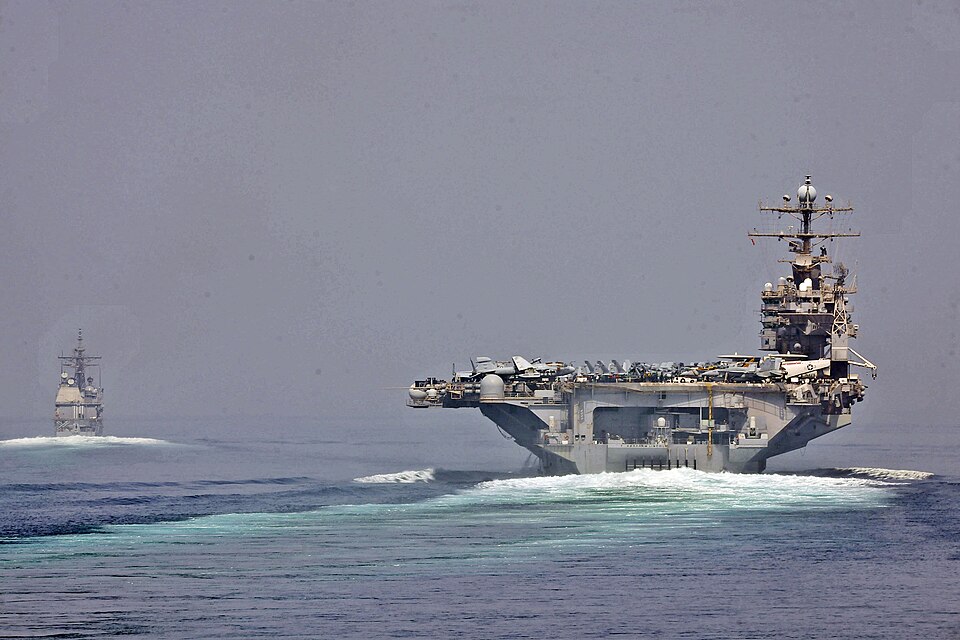
The most concrete real-time indicator of whether the Iran-US ceasefire deal is operational is not diplomatic statements — it is AIS (automatic identification system) ship-tracking data showing commercial vessels transiting the Strait of Hormuz. Within hours of the deal announcement, ship-tracking services began registering commercial tankers — many of which had been waiting in the Gulf of Oman — beginning transit toward the strait. This is the specific, physical, observable evidence that the deal is operational.
HOW TO READ THE TANKER DATA
Pre-war: approximately 138 vessels per day transited Hormuz, including oil tankers, LPG carriers, container ships, and bulk carriers. During the war: this fell to as low as 6 per day in March, with partial recovery to 40 per day in early May under IRGC-approved transit arrangements.
Under the deal: the target is full commercial restoration — 100+ vessels per day, no IRGC approval required, no transit fees. The first 24-48 hours will show initial vessels transiting. Full normalization will take 1-2 weeks as vessels that rerouted around the Cape of Good Hope receive news of the deal and adjust their routing.
▸ Watch for: daily transit counts from Lloyd’s List and Kpler
▸ A genuine deal looks like: 50+ transits by day 3; 100+ by day 7; 120+ by day 14
▸ A failing deal looks like: initial transit surge followed by decline; ships going dark (turning off AIS) again; Iranian naval vessels intercepting commercial shipping
| CONFIDENCE: HIGH | Pre-war transit figure (138/day) is from Lloyd’s List. Wartime low (6/day) is from UNCTAD. Partial May recovery (40/day) is from ONYX August 1 coverage. Deal’s “full commercial restoration” target is from deal reporting. |
SOURCES
▸ Lloyd’s List — pre-war Hormuz transit data
▸ UNCTAD — wartime transit collapse figures
▸ AIS tracking services — real-time vessel movement