Every element of the Iran ceasefire deal was expected to produce specific outcomes in the first 24 hours. ONYX tracked each one against what was expected and what actually happened. The Day-1 scorecard is more positive than many expected and more fragile than many hope.
THE SCORECARD
| ELEMENT | DAY-1 STATUS |
| Hormuz commercial opening | ✅ Confirmed — 20 vessels transited; below normal but deal-consistent Day 1 figure |
| IAEA inspectors at Natanz/Fordow | ✅ Confirmed — Grossi announced inspector access; monitoring resumed |
| US naval blockade modification | ✅ Confirmed — humanitarian and some commercial shipping restored to Iranian ports |
| Oil price decline | ✅ Confirmed — Brent crude down ~$9/barrel; 8-10% first-session decline |
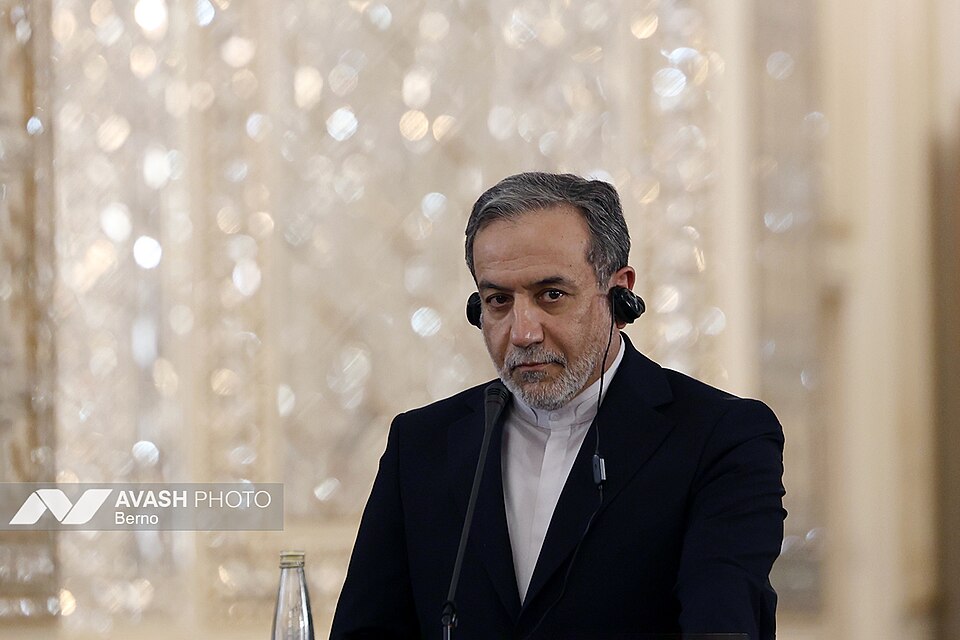
| Iran official confirmation | ✅ Confirmed — Araghchi publicly confirmed; framing is different but fact is same |
| US official confirmation | ✅ Confirmed — Trump Truth Social, plus White House briefing |
| Ceasefire operational (no new strikes) | ✅ Confirmed — no US or Israeli strikes on Iranian territory Day 1 |
| Israeli endorsement | ⚠️ Conditional — Netanyahu “insufficient but starting point”; military action reserved |
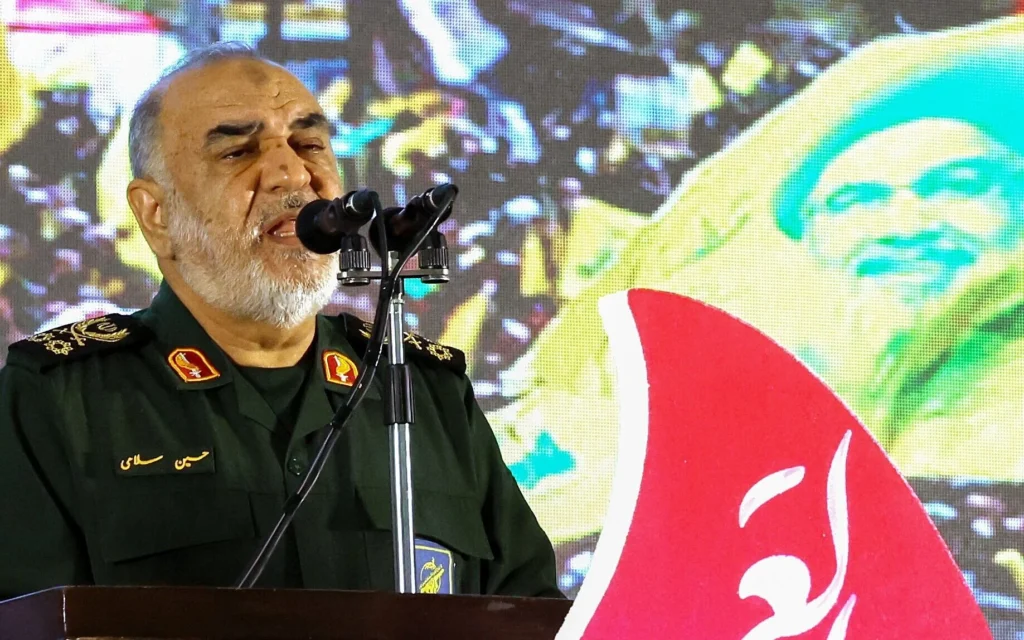
| Iranian hard-liner silence | ⚠️ Partial — state media aligned but some IRGC-adjacent outlets skeptical |
| Trump approval improvement | ✅ Emerging — flash polls show 3-4 point improvement |
| Gas price decline at pump | ⏳ Pending — 18-21 days to reach retail; expected ~August 26-29 |
| Nuclear dialogue launch | ⏳ Pending — formal session not yet scheduled |
THE SUMMARY ASSESSMENT
Nine of twelve tracked elements are confirmed positive or pending on expected track. Two are partial or conditional (Netanyahu, IRGC-adjacent skepticism). One is on a predictable lag timeline (gas prices). This is a better first-24-hours performance than either of the previous ceasefire iterations (June MOU, August 2 Trump announcement).
The crucial distinction: this deal has dual independent confirmation (Trump + Araghchi), IAEA monitoring access already operational, and the physical reality of ships transiting Hormuz. The June MOU also had dual confirmation initially — but collapsed within weeks. The August 2 “deal” had only Trump’s confirmation and collapsed within hours. The pattern suggests this iteration is more robust than its predecessors. Whether “more robust than predecessors” means “durable” is a separate and unanswerable question in the first 24 hours.
THE KEY RISKS GOING INTO DAY 2
▸ Netanyahu’s cabinet meeting — Israeli cabinet is expected to formally discuss the deal; hard-liners will push for rejection
▸ IRGC reaction — any IRGC commander statement that contradicts Araghchi creates domestic Iranian deal instability
▸ Russia’s assessment — will Moscow attempt to test whether the US is genuinely committed to the deal by escalating in Ukraine, forcing a US attention divide?
▸ Congressional hearings — any congressional action that creates conditions on the deal could complicate executive flexibility
| CONFIDENCE: HIGH | All scorecard entries are from documented reporting through August 8, 2026. Assessment of “more robust than predecessors” is ONYX editorial analysis based on documented comparison of prior ceasefire iterations. |
SOURCES
▸ Iran deal Day-1 sources: Trump Truth Social, Araghchi confirmation, IAEA Grossi statement, AIS tanker data, oil market data, Netanyahu statement, flash polling data — all from August 7-8, 2026