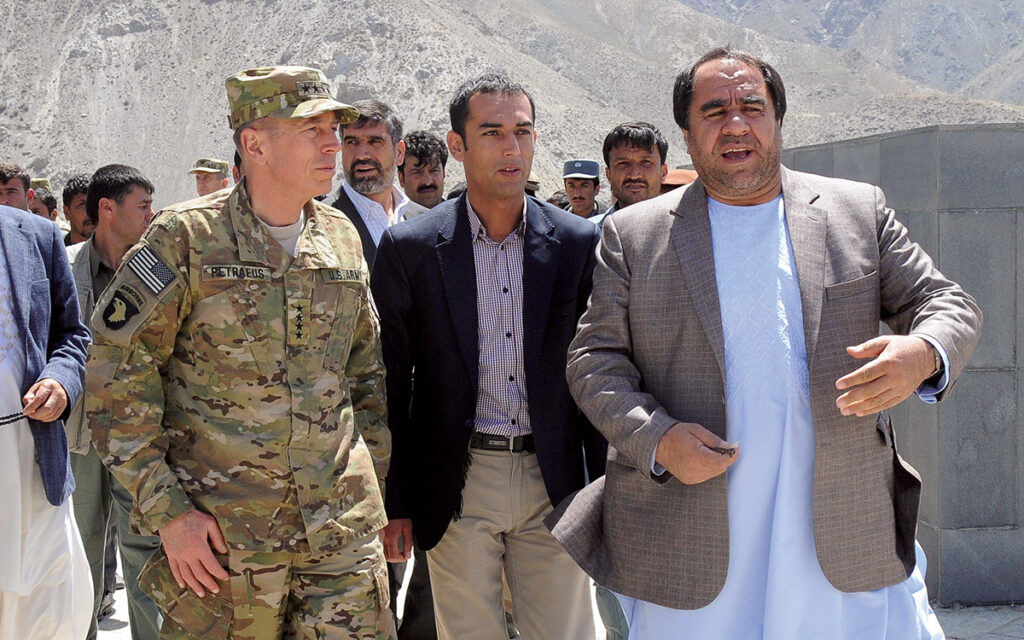
Afghan nationals who served as interpreters, advisors, and local employees for US military forces in Afghanistan risked their lives for American operations and were promised pathways to safety in the United States through the Special Immigrant Visa (SIV) program. Years after the US withdrawal from Afghanistan in August 2021, many are still waiting. NPR’s continued coverage documents the persistent gap between the promise and its fulfillment — an accountability story that arrives five years after the withdrawal and one year after the Taliban’s five-year anniversary of returning to power.
THE SCALE OF THE WAITING
The SIV program for Afghan wartime allies has processed tens of thousands of cases. The backlog — the number of applicants who have not yet received a visa or have been waiting for years — has been estimated at tens of thousands of additional cases. The specific obstacles: security vetting requirements that take years; administrative processing backlogs at multiple agencies; the physical challenge of collecting documentation from Afghanistan while the Taliban government controls the country; and the political complexity of Afghan refugee and immigrant admission in a period of heightened immigration enforcement.
THE SPECIFIC OBLIGATION
The obligation to Afghan wartime allies is not simply moral — it is based on specific commitments made by the US government in exchange for service. Interpreters and other local employees were told their service would qualify them for SIVs. The US government made that promise because it needed their service. The fulfillment of that promise is an institutional credibility question: if the US does not honor commitments made to people who served alongside its military, future partners in future conflicts will assess that track record.
The SIV promise was made in exchange for service. The service was rendered. The promise is still being fulfilled — years later, slowly, incompletely. That gap is not a bureaucratic quirk. It is a credibility question.
WHY THIS MATTERS IN 2026
The Taliban five-year anniversary (documented in ONYX August 15 Section B Story 12 — Afghan boys’ education under Taliban rule) provides the specific current-events hook: five years after the return to power, the Taliban has reshaped Afghanistan and the Afghan allies who served the US face continued danger for their association with American forces. The SIV backlog is not a historical artifact; it is a present-day security threat for people whose documents and associations remain in Taliban-controlled territory.
| CONFIDENCE: HIGH | SIV program documentation and backlog scale are from NPR confirmed reporting. Afghan wartime ally obligation is from established SIV program legislation and documentation. Taliban five-year anniversary context is from established record. |
SOURCES
▸ NPR — Afghan wartime ally SIV waiting story, August 2026
▸ SIV program legislation — established legal framework for Afghan wartime allies