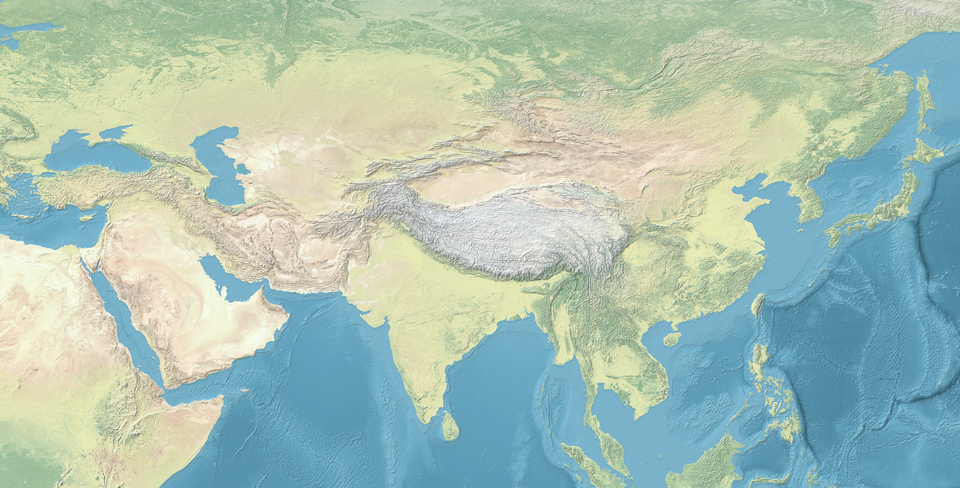
The United States completed its withdrawal from Afghanistan in August 2021 after 20 years of military presence. The Taliban retook Kabul on August 15, 2021. Five years and approximately one month have passed since the Taliban took control. The September 11 anniversary provides the specific historical frame: the attacks that led to the US invasion of Afghanistan in October 2001 are being marked today; the country the US invaded to deny al-Qaeda a safe haven has spent the last five years under Taliban governance.
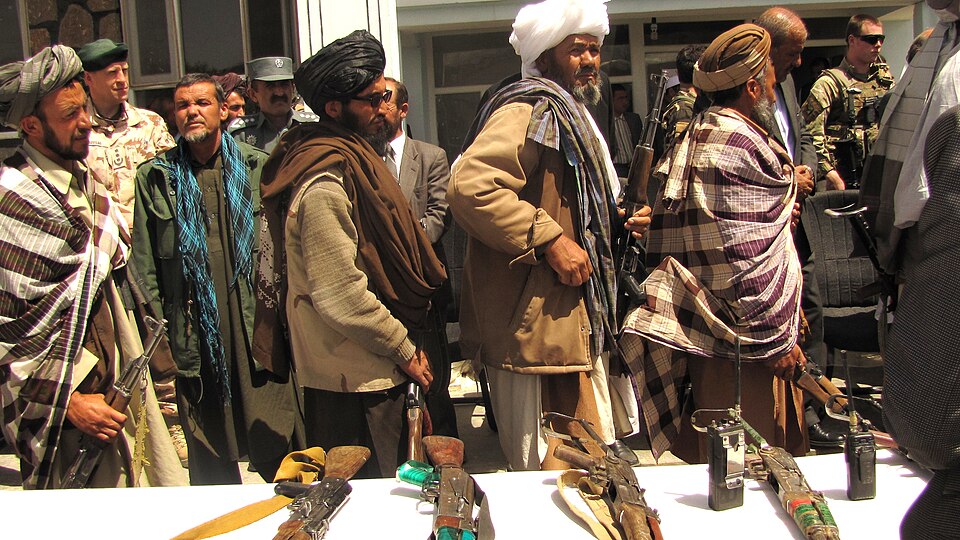
WHAT 20 YEARS OF WAR PRODUCED
The specific outcomes of 20 years of US military presence in Afghanistan:
▸ 2,461 US service members killed in action
▸ Approximately 3,850 US contractors killed
▸ Approximately 66,000 Afghan national security forces killed
▸ Estimated 47,000+ Afghan civilians killed in the conflict
▸ Approximately $2.3 trillion in US expenditure over 20 years
▸ 20 years of girls attending school, women working, and a constitution that included women’s rights
WHAT FIVE YEARS OF TALIBAN RULE HAS PRODUCED
The Taliban government established after August 2021 has enacted some of the world’s most restrictive policies targeting women and girls:
▸ Education ban: girls are prohibited from attending secondary school or university; Afghanistan is the only country in the world that bans girls from secondary education
▸ Work ban: women are prohibited from most formal employment, including at NGOs that previously delivered humanitarian assistance
▸ Movement restrictions: women cannot travel without a male guardian in most circumstances
▸ Public presence: women cannot access parks, gyms, bathhouses, or most public spaces
▸ Voice restriction: women’s voices cannot be broadcast on media or heard by unrelated men in public settings
▸ The 20 years of girls attending school that US presence protected ended in August 2021; the generation of girls who grew up with access to education has watched that access close
THE SAFE HAVEN QUESTION
The specific objective that justified the invasion in 2001: denying al-Qaeda a safe haven in Afghanistan. The current assessment of that objective:
▸ Al-Qaeda: significantly degraded in Afghanistan; Ayman al-Zawahiri was killed in Kabul in a US drone strike in July 2022, confirming al-Qaeda leadership presence in Taliban-controlled Afghanistan despite Taliban assurances
▸ ISIS-K (Islamic State Khorasan Province): active in Afghanistan; the Taliban fights ISIS-K but has not eliminated it; ISIS-K conducted the August 2021 Kabul airport attack that killed 13 US service members and approximately 170 Afghan civilians during the withdrawal
▸ Taliban-al-Qaeda relationship: the Doha Agreement in which the Taliban promised to prevent al-Qaeda from using Afghanistan against US interests has not been fully verified
THE REFUGEE DIMENSION
Approximately 5-6 million Afghans have fled the country since the Taliban takeover. The specific people who fled include: women who feared the education and work bans; former members of the Afghan government and security forces who feared Taliban retribution; journalists, civil society workers, and others who built careers and lives under the US presence period; and ordinary families seeking stability. The Afghan refugee population is one of the largest in the world.
The United States invaded Afghanistan on October 7, 2001, to deny al-Qaeda a safe haven. Twenty years later, it left. Five years after that, the Taliban, al-Qaeda’s successor, was killed in Kabul in 2022; girls cannot go to school, and approximately 5-6 million Afghans have fled. That is the specific accounting of what happened.
WHAT HAPPENS NEXT
▸ Taliban governance — whether any moderation of the women’s rights restrictions occurs; there is no documented trend in that direction
▸ International recognition — no country has formally recognized the Taliban government
▸ Humanitarian assistance — the specific challenge of delivering aid to Afghan civilians through or around a government that has banned women from NGO work
▸ Afghan refugees — the resettlement and integration of millions of Afghans worldwide
| CONFIDENCE: HIGH | US service member casualty counts, US expenditure ($2.3 trillion), Taliban 2021 takeover, Afghan girls education ban, women work and movement restrictions, al-Zawahiri 2022 Kabul killing, ISIS-K activity, Afghan refugee figures from established confirmed record. |
SOURCES
▸ Established confirmed record — Afghanistan five years after withdrawal Taliban accountability, September 11, 2026
Q: Why did the Taliban ban girls from secondary education?
A: The Taliban’s stated rationale for the ban involves their interpretation of Islamic law, specifically arguments that co-education or women’s public education violates their doctrinal position. The practical effect is that girls who completed primary school cannot continue their education. The global response has been near-universal condemnation, including from Muslim-majority countries and Islamic scholars who argue the Taliban’s interpretation is not required by Islamic law. The UN has characterized the ban as an “unprecedented human rights violation.” No country has endorsed the ban. The Taliban has maintained it despite sustained international pressure.
Q: Could the US have achieved its goals differently?
A: This is one of the most contested questions in US foreign policy history. Arguments that different approaches might have produced better outcomes include: a smaller long-term footprint focused on counterterrorism rather than nation-building; earlier engagement with political reconciliation; different governance structures that did not depend on a central government in Kabul; and earlier counternarcotics strategies that would have reduced the Taliban’s funding base. Arguments that no approach would have produced sustainable Afghan governance without indefinite US military presence include: the Taliban’s patience to outlast any US timeline; Afghanistan’s historical resistance to external governance; and the impossibility of building democratic institutions in the specific Afghan political context. ONYX presents these as the documented terms of a debate, not its own policy assessment.