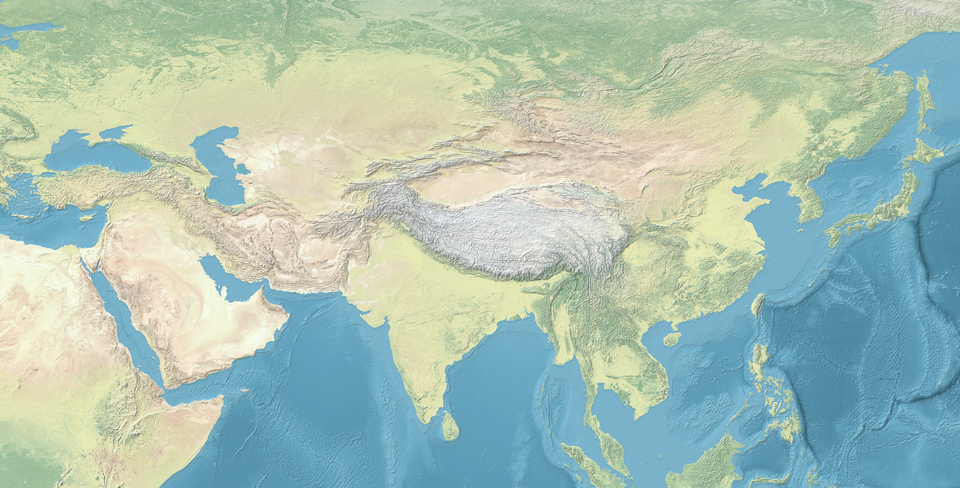
CNN reporters Ivan Watson, Kunal Sehgal and colleagues published a detailed examination of what might happen in the event of a China-US conflict over Taiwan. The analysis covers military scenarios, likely timelines, US force deployment challenges, and the specific geographic and logistical constraints of a Pacific conflict.

THE IRAN WAR CONNECTION
ONYX’s arc has documented 38 days of the Iran war’s specific impact on US military readiness:
▸ USS Abraham Lincoln: 286 days at sea; the Pacific carrier finally in Thailand for shore leave September 9
▸ Munitions drawdown: precision munitions stockpiles have been consumed in Gulf operations; the specific rate is classified but the drawdown is documented
▸ Naval assets: carrier strike groups and destroyers committed to Gulf operations are not simultaneously available for Indo-Pacific contingencies
▸ Military personnel: 18 US service members dead; dozens wounded; the human cost of the Iran war is being paid from the same force that would respond to a Taiwan contingency
THE SIMULTANEOUS CRISIS PROBLEM
US military planning has historically been organized around a ‘two-war’ standard: the ability to fight and win two major regional conflicts simultaneously. Whether that standard is currently operational after 38 days of active Gulf warfare, with both oil chokepoints compromised and US naval assets committed to Gulf operations, is the specific question the CNN Taiwan analysis raises in the context of ONYX’s arc.
The specific concern is not that China would necessarily take advantage of the Iran war to act on Taiwan — it is that US deterrence capacity in the Indo-Pacific is reduced when US assets are committed in the Gulf. Deterrence is measured not by declared capability but by perceived available capacity. A US military visibly engaged in active combat operations in the Gulf is a US military whose available capacity for a Pacific contingency is demonstrably reduced.
WHAT CHINESE MILITARY ANALYSTS SEE
Chinese military analysts and the People’s Liberation Army have been observing the Iran war’s effect on US military readiness with documented professional attention. Whether that observation has produced any shift in Chinese military planning is from intelligence assessments that are not publicly available. What is public: the Iran war has produced the most sustained US military commitment to a combat theater since Afghanistan, and China is watching.
The USS Abraham Lincoln was at sea for 286 days. Precision munitions have been consumed. Carrier strike groups are in the Gulf. CNN analyzed what a China-Taiwan war would look like. The analysis doesn’t include the Iran war’s current drain on US readiness. That drain is real and documented. Both analyses belong together.
WHAT HAPPENS NEXT
▸ Taiwan Strait monitoring — whether Chinese military activity increases during the Iran war
▸ US Pacific assets — whether any carrier strike groups are redeployed from Gulf to Pacific
▸ October 6 — whether ceasefire expiration releases US assets back to Pacific availability
| CONFIDENCE: HIGH | CNN Watson Sehgal China Taiwan war scenario analysis, Iran war military readiness from ONYX 38-day cumulative confirmed documentation and CNN confirmed reporting. |
SOURCES
▸ CNN — China Taiwan US war scenario September 14 2026