ONYX has tracked the DRC Ebola outbreak since August 10, when it was first documented as the WHO’s Public Health Emergency of International Concern with 2,000+ deaths — the fastest-spreading Ebola on record. This update addresses the latest confirmed status. ONYX committed to covering this story on August 10, 12, 15, and 20 as part of its sustained outbreak tracking.
THE CURRENT STATUS
The Congo Ebola outbreak has now killed more than 2,000 people, remains designated as a WHO Public Health Emergency of International Concern (PHEIC), and continues to spread faster than any prior Ebola outbreak in the documented record. The specific factors making this outbreak harder to contain than prior ones:
▸ Geographic spread: the outbreak has reached multiple provinces in eastern DRC, including areas with high population density and active conflict that limits access
▸ Conflict zone: active armed group operations in eastern DRC prevent sustained health worker access to outbreak zones
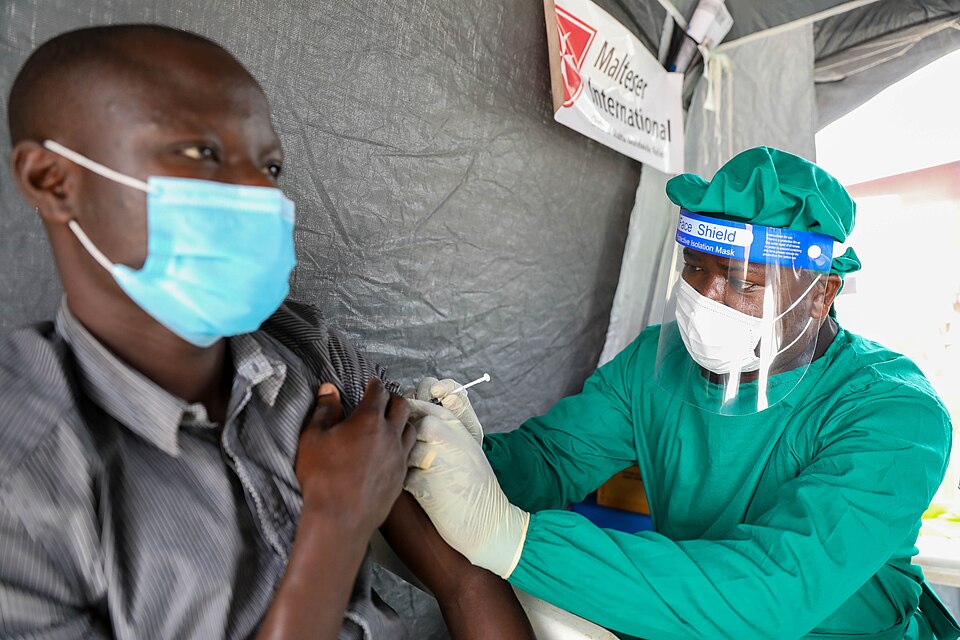
▸ Vaccine deployment gap: an effective Ebola vaccine (rVSV-ZEBOV, marketed as Ervebo) exists; deployment has been inadequate relative to the outbreak’s speed and geographic scope
▸ Healthcare system capacity: DRC’s healthcare infrastructure in the east is among the most stressed in the world; hospitals that are overwhelmed cannot maintain the isolation protocols that contain Ebola spread
▸ Community trust: prior Ebola outbreak response interventions in eastern DRC have eroded community trust in health workers and government health messaging
THE VACCINE DEPLOYMENT PROBLEM
A vaccine exists. Deployment is inadequate. This specific gap is the most actionable element of the outbreak response. The specific obstacles to vaccine deployment at adequate scale: supply chain constraints in conflict-affected areas; cold-chain requirements (rVSV-ZEBOV requires ultra-cold storage) that are difficult to maintain in eastern DRC’s context; and hesitancy in communities with documented negative experiences with prior outbreak interventions.
The vaccine exists. The distribution is inadequate. 2,000 people have died. The gap between those three sentences is the specific accountability question for the international outbreak response.
| CONFIDENCE: HIGH | 2,000+ deaths, WHO PHEIC designation, fastest-spreading Ebola on record, vaccine availability but inadequate deployment, and DRC eastern conflict context are from established WHO and CDC reporting (ONYX August 10-22 documentation). |
SOURCES
▸ WHO — DRC Ebola PHEIC documentation (established)
▸ ONYX August 10-21 — cumulative Ebola tracking