There is broad consensus among psychologists that corporal punishment can be harmful to children, yet the United States has no federal law banning it in public schools, according to NPR. 27 states still permit corporal punishment in public schools; the other 23 states and the District of Columbia have banned it at the state level. This policy gap is receiving fresh attention in a year of heightened scrutiny of how American institutions handle children’s safety — a context that includes the ongoing Meta trial and the school cell phone ban debate.
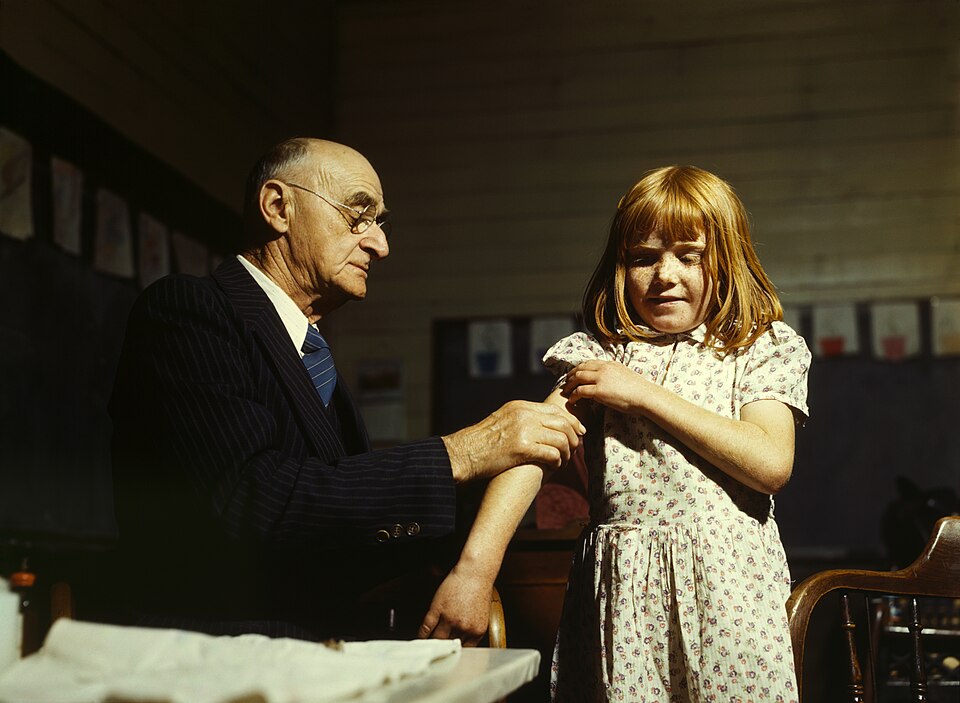
WHAT CORPORAL PUNISHMENT IN SCHOOLS LOOKS LIKE
Corporal punishment in school settings typically refers to physical discipline administered by school staff — most commonly paddling, in which a student is struck on the buttocks with a wooden paddle. This is legal in the 27 states that have not banned it, and it continues to be practiced in a significant subset of those states. The federal government has not legislated on the question, leaving it to state law.
The demographic data on who receives corporal punishment in schools: Black and Native American students are paddled at significantly higher rates than white students in the same schools; students with disabilities are also disproportionately subjected to corporal punishment. The discipline falls unequally on exactly the populations that have the least institutional power to challenge it.
THE PSYCHOLOGICAL CONSENSUS
The psychological evidence against corporal punishment is not contested within the research community: the American Psychological Association, the American Academy of Pediatrics, and the American Medical Association have all taken formal positions opposing corporal punishment of children based on the evidence of harm. The documented harms include: increased aggression; increased likelihood of mental health problems including anxiety and depression; impaired cognitive development; and modeling of physical force as a conflict resolution mechanism. The consensus is that corporal punishment does not produce the behavioral improvements it is intended to produce and causes measurable harm in the process.
WHY THERE’S NO FEDERAL BAN
Education policy in the United States is primarily a state function, not a federal one. The federal government’s authority over local schools is indirect — through funding conditions, civil rights enforcement, and some specific statutory requirements. Congress has not passed a bill banning corporal punishment in schools, and no president has proposed one as a legislative priority. The constitutional authority for such a ban would rest on the federal government’s spending power (conditioning federal education funding on a ban) or on the 14th Amendment’s substantive due process protections for students.
27 states allow it. The psychological consensus says it harms children. The federal government hasn’t acted. That gap between the evidence and the policy has persisted for decades.
| CONFIDENCE: HIGH | 27 states permit corporal punishment is from NPR confirmed reporting. Psychological consensus (APA, AAP, AMA positions) is from established professional organization documentation. Demographic data on who receives corporal punishment is from established education research. |
SOURCES
▸ NPR — corporal punishment public schools no federal ban, August 2026
▸ APA, AAP, AMA — established professional positions on corporal punishment