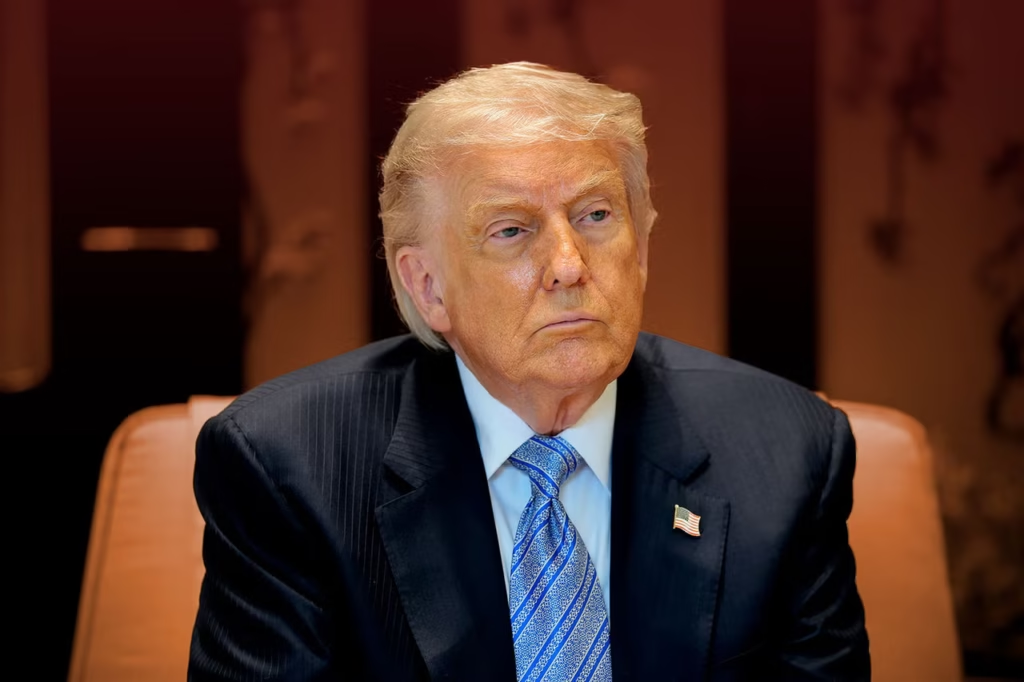
Fed Chairman Warsh’s statement that the Fed will ‘monitor closely’ before deciding on a second rate hike is standard central bank communication for: we may not hike next time. The specific condition Warsh is monitoring: whether the deal’s oil price relief is durable. The deal produced $87 oil from $100+. If $87 holds through the 90-day extension, the inflationary pressure from Hormuz that drove the Wednesday hike is reduced. If $87 does not hold — if Bab el-Mandeb remains closed or the parallel Houthi track fails — the inflation pressure may return.
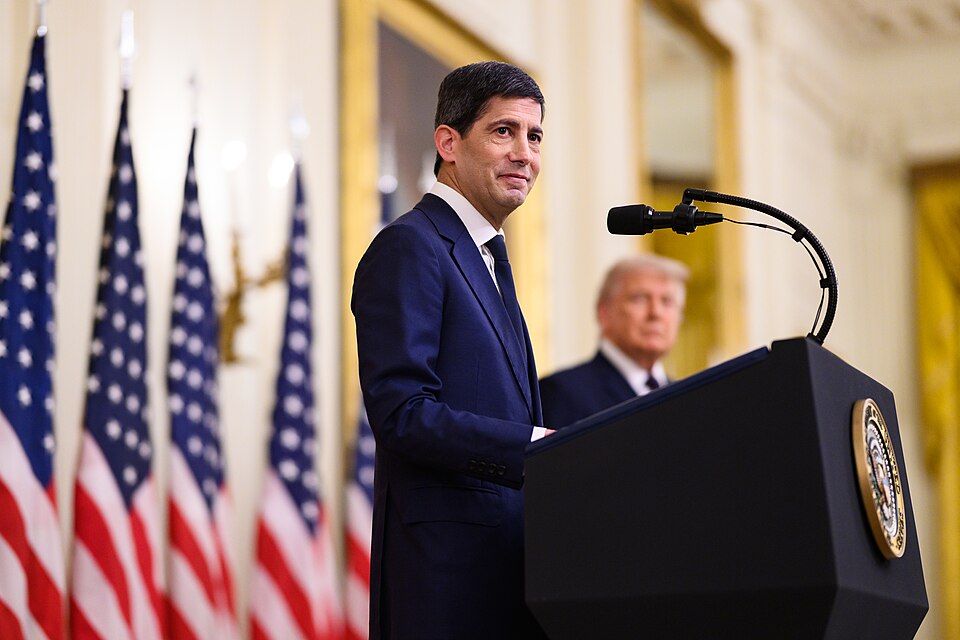
THE ECONOMIC FEEDBACK LOOP
The specific feedback loop the deal created:
▸ Iran deal announced September 18
▸ Oil fell $13 from $100+ to $87
▸ Reduced oil prices reduce energy inflation
▸ Reduced energy inflation reduces pressure on the Fed to hike
▸ Fed signals it may pause the second hike
▸ Pause means borrowing costs don’t increase further for US consumers
▸ The family whose variable-rate mortgage was discussed in September 13’s Section A is directly affected
THE ECB PARALLEL
The ECB — which raised rates on September 13 citing the Iran war — is also monitoring the deal’s energy price effect. If oil stays near $87, European energy inflation reduces, and the ECB may not need to raise rates further. The deal’s economic value is not just in the oil price; it is in the central bank rate decisions that the oil price reduction makes unnecessary.
THE BRENT-WTI SPREAD
Brent crude and WTI crude both fell on the deal announcement. Brent — the global benchmark — is particularly affected by Hormuz access because it prices in the risk premium of Gulf supply disruption. A durable Hormuz commercial transit guarantee reduces the Brent premium that the two-chokepoint crisis had built into global oil pricing. Whether the $87 level is sustainable depends on the deal holding, the parallel Houthi track making progress, and the East-West pipeline being restored.
The Fed raised rates because of Hormuz. The deal dropped oil to $87. Now Warsh says he’ll monitor before the second hike. The economic transmission from the deal to American consumer borrowing costs is: lower oil, lower inflation, the Fed doesn’t have to raise rates again. Every American with a variable-rate debt instrument is a beneficiary of the deal holding. If the Houthi track fails and oil goes back above $100, those same consumers pay more again.
WHAT HAPPENS NEXT
▸ Next Fed meeting — whether the monitoring produces a pause decision
▸ Oil price trajectory — whether $87 is durable or the Bab el-Mandeb situation pushes it back up
▸ ECB next meeting — parallel monitoring on European energy inflation
▸ Brent premium — whether the two-chokepoint risk premium fully deflates under the deal
| CONFIDENCE: HIGH | Warsh Fed monitor closely before second hike, oil $87 deal announcement, ECB parallel monitoring from confirmed reporting. |
SOURCES
▸ Confirmed reporting — Fed Warsh monitor second hike oil September 19 2026