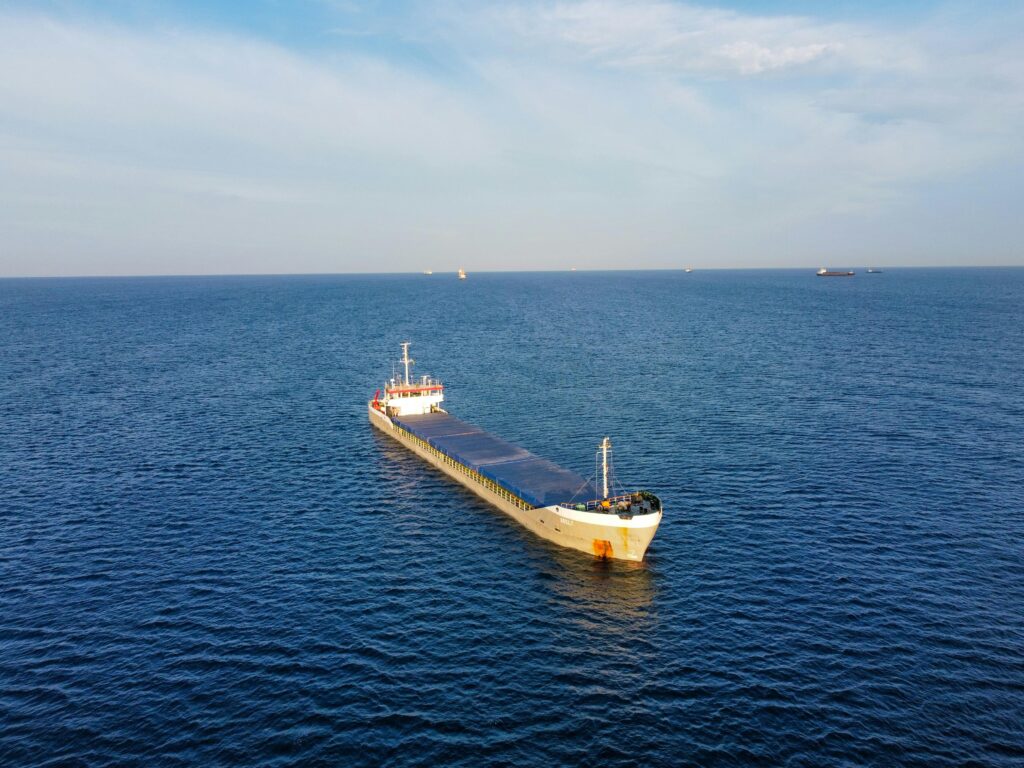
The G7’s planned release of 100 million barrels of crude and diesel over four months is intended to reduce energy-market volatility. The first releases focus heavily on diesel. The specific context: the release is beginning on the day of the Houthi Aramco claim, OPEC+ unchanged, and two days before October 6.

WHAT SHAPING ACTUALLY MEANS
The G7 reserves are not replacing Hormuz, Bab el-Mandeb, or Saudi Aramco supply. They are adding approximately 833,000 barrels per day over four months to a market that has been disrupted by multiple simultaneous supply constraints. ‘Shaping’ means: preventing the price from being as high as it would be without the release. It does not mean: returning oil to pre-war prices.
▸ With release only: oil would fall toward $90-95 if all other factors were equal
▸ With Aramco claim: release partially offsets; oil likely $100-110
▸ With October 6 resumed strikes: release insufficient; oil above $120
▸ With October 6 deal: release unnecessary and prices fall sharply
The G7 release is beginning. It adds 833,000 barrels per day over four months. It shapes markets; it doesn’t replace disrupted supply. On a day with a Houthi Aramco claim, unchanged OPEC+ targets, and two days to October 6, ‘shaping’ means preventing the worst case, not producing the best case.
| CONFIDENCE: HIGH | G7 planned release of 100 million barrels of crude diesel over four months to reduce energy-market volatility; first releases focus on diesel, according to confirmed reporting. |
SOURCES
▸ Confirmed reporting — G7 release fuel markets October 4, 2026