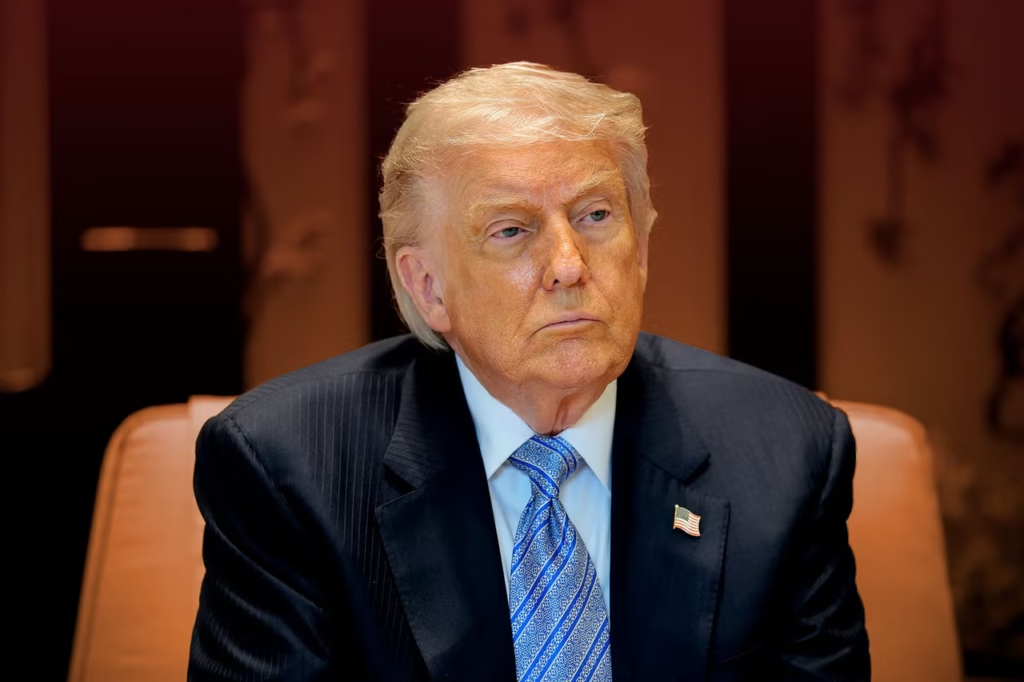
World leaders convened in Evian-les-Bains, France, on June 15, 2026, for the G7 summit as diplomats sought clarity over a proposed U.S.-brokered memorandum with Iran and efforts to maintain unified support for Ukraine amid ongoing combat. The three-day meeting brings together G7 heads of state and invited guest countries to address security, economic and technological priorities with potential global implications.
Verified core reporting
- Summit and participants: The G7 meeting runs June 15–17 in Evian-les-Bains, France. Attending leaders include the United States, United Kingdom, France, Germany, Italy, Japan and Canada, along with invited guests from India, South Korea, Brazil and Kenya, according to an official French summit schedule released June 12, 2026.
- Iran memorandum status: U.S. officials and President Donald Trump publicly indicated a near-term signing of a memorandum of understanding intended to extend the April 7 ceasefire with Iran by 60 days and reopen the Strait of Hormuz to international shipping. Trump stated on June 14 that a peace agreement would be signed imminently. Iranian Foreign Ministry spokesperson Esmail Baghaei on June 14 said a signing would not occur on that date and described the timetable as uncertain, adding negotiators expected more time was needed, according to an official Iranian statement and reporting by Reuters and Bloomberg.
- Mediators and terms reported: Multiple outlets, including Bloomberg and Reuters, reported that Pakistani and Qatari mediators had helped broker the memorandum, which reportedly would include lifting a U.S. blockade of certain Iranian ports, reopening the Strait of Hormuz, and launching talks related to Iran’s nuclear program. Iranian state media and officials have not publicly confirmed final approval by Iran’s Supreme Leader, an outstanding verification point raised in reporting.
- Ukraine invitation: French President Emmanuel Macron invited Ukrainian President Volodymyr Zelensky to participate in summit discussions on June 16 to address coordination of political and material support for Kyiv, according to Élysée Palace briefings and Reuters reporting.
- U.S. summit priorities: The White House indicated economic and technological issues would feature prominently, including discussions on artificial intelligence, trade, critical minerals and energy production intended to reduce strategic dependencies on China, as reported by CNBC and U.S. administration statements.
- Additional agenda items: G7 and EU officials said delegations will discuss online safety, combating organized crime and supply-chain resilience, per summit documents and media briefings released by host authorities.
Broader context
- Iran and Strait of Hormuz: The Strait of Hormuz is a strategic chokepoint for global energy shipments. Tensions along the waterway have repeatedly affected oil markets since 2019. The current memorandum follows an April 7 ceasefire arrangement after months of maritime incidents; diplomatic sources say the new document aims to extend that pause while creating space for negotiations on nuclear and security matters.
- Ukraine and G7 cohesion: The war in Ukraine has tested G7 unity since Russia’s 2022 invasion. Previous summits have combined military, humanitarian and economic support measures for Kyiv with diplomatic pressure on Moscow. Macron’s invitation reflects ongoing French and EU efforts to keep allied positions aligned on both immediate battlefield assistance and longer-term reconstruction planning.
- Geopolitical balancing: The inclusion of India, South Korea, Brazil and Kenya reflects France’s effort to broaden the diplomatic reach of this summit and to engage non-G7 states on matters of global economic governance, technology standards and security.
Multiple perspectives
- United States: White House officials characterized the Iran memorandum as a diplomatic step to reduce regional tensions and secure maritime routes, while highlighting U.S. priorities on economic and technological leadership.
- Iran: Iranian officials described the timetable for any signing as tentative and emphasized that final approval would require consultation with national leadership. State-aligned reporting has stressed preserving Iran’s strategic interests and sovereignty in any agreement.
- France and EU: French officials framed the summit as essential for restoring unity on Ukraine and addressing transatlantic cooperation on technology and trade. The Élysée emphasized the need for coordinated action among democracies.
- Ukraine: Officials from Kyiv welcomed opportunities to engage G7 leaders directly, seeking both continued military assistance and support for long-term rebuilding, per Ukrainian presidential office statements.
- Analysts: Security analysts cited in reporting note that memoranda of understanding that stop short of formal treaty commitments can reduce immediate tensions but may leave core disputes unresolved unless followed by more substantive negotiations.
Implications and significance
- Regional security: A verified memorandum that extends the ceasefire and reopens the Strait of Hormuz would relieve immediate commercial shipping risks and could lower short-term energy-market volatility. However, without confirmed approval from Iran’s senior leadership, such an outcome remained uncertain as of June 15.
- G7 unity and Ukraine assistance: The summit’s ability to deliver coordinated measures for Ukraine could influence the tempo of Western military and economic support. Reaffirmed unity would strengthen Kyiv’s diplomatic backing; visible divisions could complicate allied planning.
- Economic and technological policy: G7 discussions on AI, critical minerals and supply chains may produce policy frameworks or coordinated positions aimed at limiting strategic dependencies and shaping international standards, with potential long-term trade and industrial consequences.
- Diplomatic signaling: The presence of invited non-G7 leaders signals an attempt to broaden Western-led dialogues on global governance and to demonstrate responsiveness to emerging economic and security partnerships.
Closing summary
Leaders at the G7 summit in Evian began deliberations on June 15 amid unresolved questions about a proposed Iran memorandum and continued emphasis on unified support for Ukraine. Official statements show divergent timelines and caveats regarding any Iran signing, and French-hosted discussions aim to restore cohesion on Kyiv while advancing economic and technological cooperation among democratic partners.
Sources: Reuters, Bloomberg, Élysée Palace briefings, CNBC — June 12–15, 2026
Content Disclaimer: This report covers developing diplomatic negotiations and an ongoing armed conflict. It includes statements and claims from multiple parties whose accounts may differ. Readers are encouraged to consult primary sources and multiple verified outlets for full context.