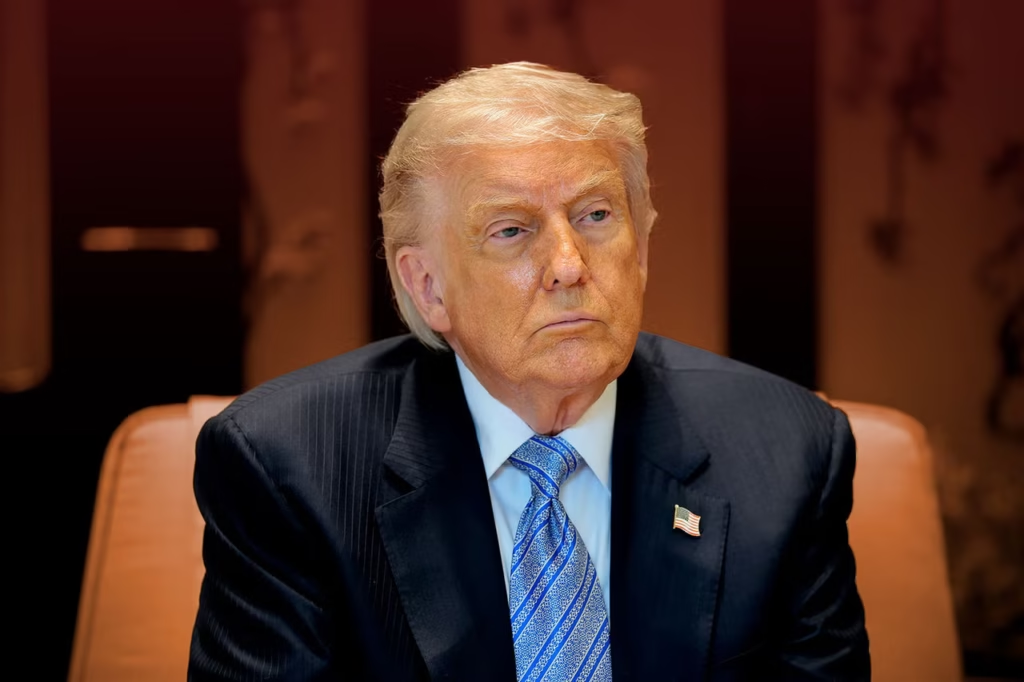
Treasury Secretary Scott Bessent’s launch of Operation Economic Outcast — a sanctions program targeting any nation maintaining economic ties with Tehran — sent oil prices spiking, according to confirmed reporting. The operation’s announcement combined with the White House’s no-extension signal (August 26) represents the most aggressive US economic posture toward Iran since the ceasefire was signed on August 7. The specific oil market consequence: the deal discount that ONYX tracked reaching its floor at $0.28-0.32 below peak on August 22-23 is now being eroded by economic warfare rhetoric and sanctions escalation.
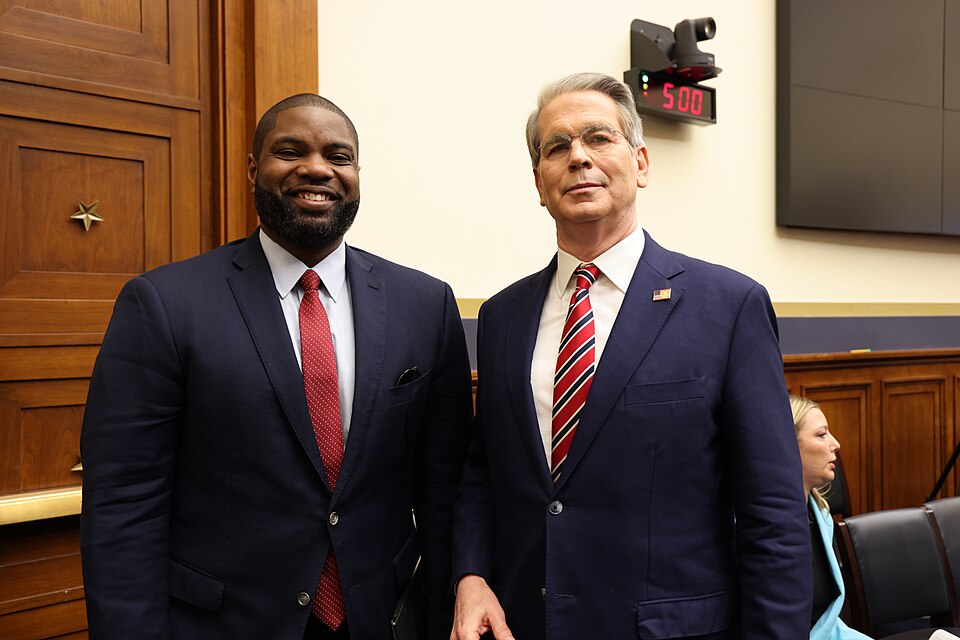
OPERATION ECONOMIC OUTCAST — WHAT IT IS
Operation Economic Outcast is described as a Treasury-led initiative to enforce secondary sanctions against any nation — including US allies and major economies — that maintains significant economic relationships with Iran. The secondary sanctions threat is the specific enforcement mechanism: countries that continue trading with Iran face being cut off from US dollar settlement systems, access to US markets, and banking relationships with US financial institutions.
The specific targets: China is Iran’s largest trading partner ($22.4 billion annually). India is Iran’s second-largest trading partner. Turkey, South Korea, and several European nations maintain significant Iran trade relationships. Threatening all of these simultaneously is a far more aggressive sanctions posture than prior US Iran sanctions campaigns, which typically offered temporary waivers to major economies.
THE OIL PRICE IMPACT
The oil price spike from Operation Economic Outcast has two simultaneous drivers:
▸ Supply disruption risk: if Operation Economic Outcast successfully restricts Iran’s oil exports, global oil supply decreases; markets price this risk into current prices
▸ Ceasefire deal stability risk: an aggressive economic campaign against Iran raises the probability of Iranian retaliation including Hormuz restrictions; markets price this risk as a higher probability of the deal’s October 6 expiration without extension
The combination has produced an oil price spike that partially reverses the deal discount ONYX tracked from August 7 through August 23. The gas price floor reached on August 22-23 is under upward pressure from the sanctions campaign — the same political actions that may ultimately prevent an extension are also reversing the consumer price benefit the deal produced.
THE CHINA DIMENSION
China’s response to Operation Economic Outcast is the specific variable that determines whether the operation has real teeth or is primarily rhetorical. China processes approximately 90% of Iran’s oil exports; without China’s participation in the sanctions regime, restricting Iran’s oil revenue is very difficult. Whether the US will actually apply secondary sanctions to Chinese banks and companies that continue buying Iranian oil — a step that would produce a significant US-China economic confrontation — is the specific credibility question the operation must answer.
Operation Economic Outcast targets everyone who trades with Iran. China is Iran’s biggest trading partner. The operation’s credibility depends on whether the US will actually sanction Chinese entities. That test has not yet occurred.
THE DEAL DISCOUNT UNDER PRESSURE
The gas price floor reached on August 22-23 at approximately $0.28-0.32 below the Hormuz-closure peak is now under cumulative pressure from:
▸ The August 20 ‘economic warfare’ announcement (3% oil price spike, partially absorbed)
▸ The August 26 no-extension signal (additional upward pressure)
▸ The August 26 surrender demand (additional risk premium)
▸ The August 27 Operation Economic Outcast announcement (current spike)
The consumer price benefit that the deal produced may be significantly reduced before Labor Day — the political visibility window the deal’s timing was designed to maximize. The gap between what the deal is delivering operationally (Hormuz open, IAEA monitoring, gas prices down) and what the US administration’s rhetoric is signaling (no extension, surrender, economic warfare) is producing measurable economic harm to the deal’s own political value.
WHAT HAPPENS NEXT
▸ Oil price trajectory — whether the Operation Economic Outcast spike sustains or partially reverses
▸ China response — the specific test of the operation’s credibility
▸ Gas prices — whether the Labor Day floor holds or is lifted by the cumulative rhetoric-driven oil pressure
▸ Session 2 market reaction — whatever September 1 produces will be immediately priced into Brent crude
▸ 39 days to October 6
| CONFIDENCE: HIGH | Bessent Operation Economic Outcast launch and oil price spike are from confirmed reporting. Deal discount trajectory and cumulative pressure analysis are from ONYX August 7-27 tracking. China trading relationship with Iran ($22.4 billion) is from established trade data. |
| ⚖️ BIAS CHECK — WHO IS SAYING WHAT | |
| Treasury / Bessent | Announcing aggressive secondary sanctions while a ceasefire is operative; the operation may be designed to extract maximum concessions before September 1 |
| Oil Markets | Pricing the cumulative US rhetoric as a higher probability of October 6 Hormuz closure |
| China | Has not responded publicly to the operation’s announcement; its actual response will determine the operation’s effectiveness |
| Iran | The operation provides rhetorical support for hardliners arguing that US economic pressure makes diplomacy pointless |
| US Consumers | The gas price benefit is being eroded by the same administration’s economic posture toward Iran |
SOURCES
▸ Confirmed reporting — Bessent Operation Economic Outcast, oil price spike, August 27, 2026