Claims of a new U.S.-Iran diplomatic proposal circulated and briefly moved oil prices before being disputed. This is the Iran diplomacy news cycle in microcosm — the Hormuz closure has given every rumor of movement a direct and measurable market impact, and the space between a report, a dispute, and a correction has become a source of volatility in its own right. The underlying question of whether there is a real diplomatic path to reopening Hormuz is unresolved, and the market is priced to react to every suggestion that the answer is yes.
MARKETS · IRAN · U.S. TALKS · OIL · HORMUZ · DIPLOMACY · VOLATILE
WASHINGTON / TEHRAN — Reports of a new diplomatic proposal between the United States and Iran circulated on Monday, moving oil prices before the claims were disputed and the initial market reaction partially reversed, according to Watcher.Guru and the Hormuz Report. The specific content of the alleged proposal — what it offered Iran and what it asked in return — was not confirmed in sources with verified track records before the reports were disputed. The oil price movement in response to the reports reflects the market premium currently embedded in Hormuz closure risk: any credible signal of diplomatic progress toward reopening the strait produces immediate downward pressure on oil as traders price in reduced supply disruption, and any denial of progress reverses those gains.
The dispute over the reports was rapid. Multiple sources characterized the initial claims as inaccurate or premature, and the organizations reporting the original claims — Watcher. Guru and the Hormuz Report — are market-focused outlets rather than primary diplomatic or intelligence sources. The episode is consistent with a pattern of Iran diplomacy reporting that has characterized the post-Hormuz closure environment: market-moving claims appear, move prices, and are then disputed, creating volatility that itself has financial consequences for traders positioned on either side of the move.
The Hormuz Diplomacy Background
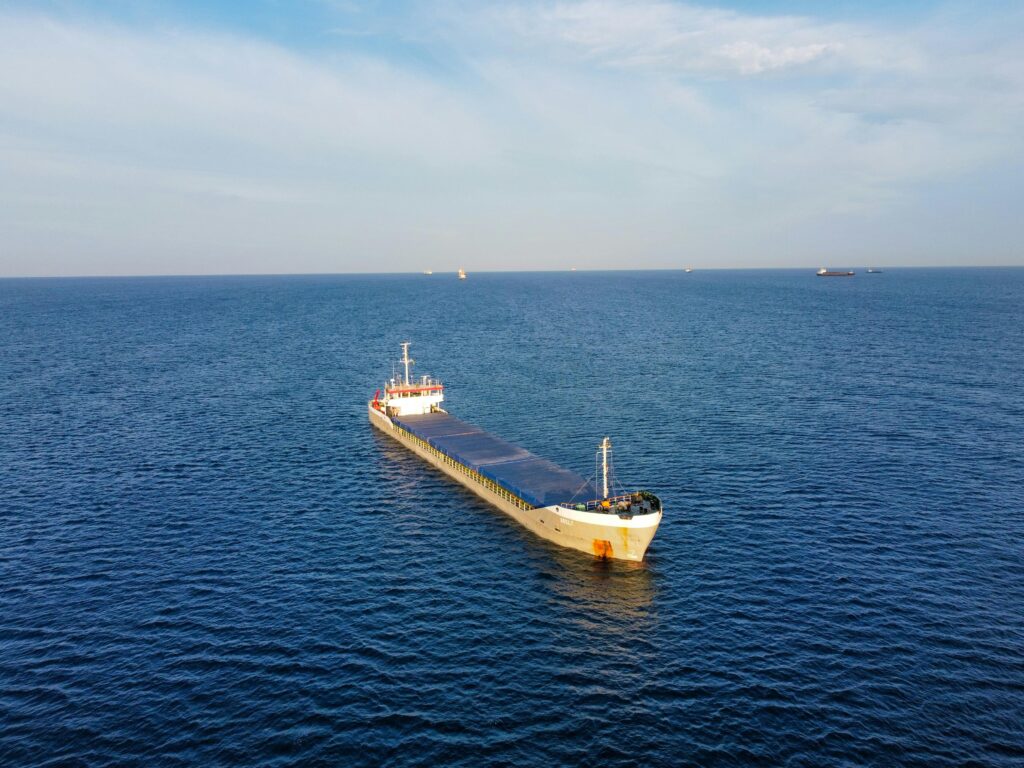
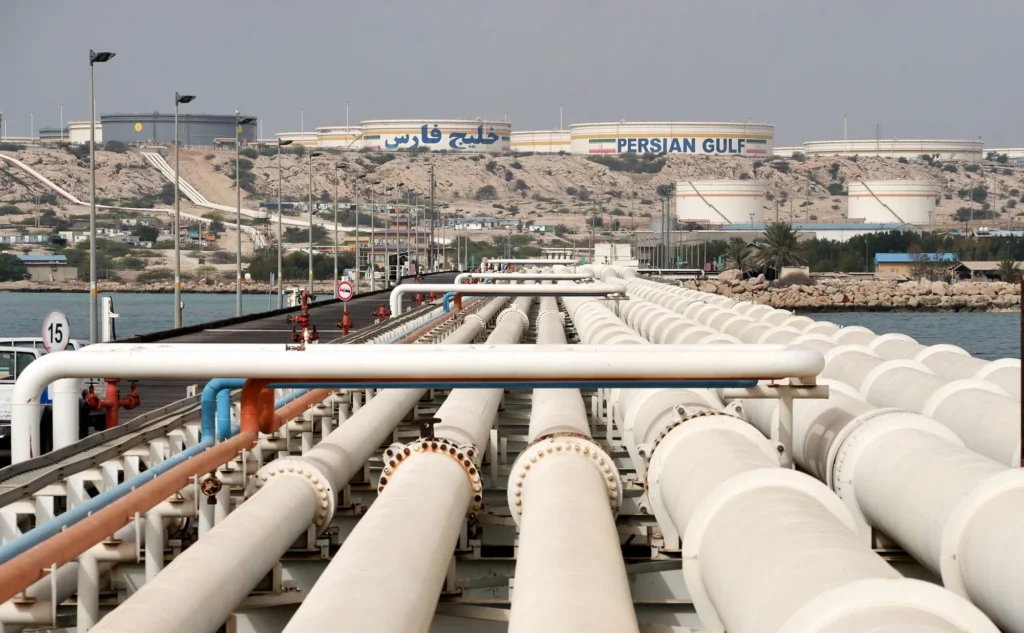
Iran’s closure of the Strait of Hormuz following the Iran war has been the single most significant supply disruption in oil markets in decades. Approximately 20% of global oil supply and 25% of global liquefied natural gas transits the strait under normal conditions. The closure has driven energy prices substantially higher worldwide, contributing to inflation, slowing economic growth, and creating the conditions for farm relief programs like the one Trump announced in Kansas. Every credible signal of diplomatic progress toward reopening carries enormous economic value — which is why the market responds immediately and why the space between a rumor and its denial is financially significant.
The actual state of U.S.-Iran diplomatic engagement is not confirmed in available public reporting. The Trump administration has alternated between maximum pressure rhetoric and signals of openness to engagement. Iranian leadership has similarly sent mixed signals. Whether a genuine diplomatic track exists is unknown; what is known is that the market is pricing the possibility of one and reacting to every report as though it might be the real thing.
“Every rumor of a deal moves the price. Every denial gives it back. Someone is making money in that spread. Whether that someone is helping or hurting the actual diplomacy is a question worth asking.” — oil market analyst, via Watcher. Guru
WHAT HAPPENS NEXT
► Oil price monitoring — Hormuz diplomacy rumors will continue to drive intraday volatility.
► State Department statement — any official U.S. comment on Iran talks will be a primary market signal.
► Iranian government response — Tehran signals on diplomacy are being watched by markets and governments.
► Watcher.Guru and Hormuz Report sourcing — the credibility of these outlets being assessed.
► Actual diplomatic channel — whether a backchannel exists is the question no public reporting has answered.
| CONFIDENCE: MODERATE | Reports circulating and oil market movement confirmed by Watcher.Guru and Hormuz Report. Reports disputed; confirmed. Specific proposal content not confirmed — flagged. Watcher. Guru and Hormuz Report are market-focused outlets, not primary diplomatic sources — flagged. Hormuz closure and market context from established energy and diplomatic reporting. |
| Bias Check | ||
| Left-Lean | Center | Right-Lean |
| Frames market volatility as evidence of administration Iran policy incoherence. | Reports the claim, the market movement, and the dispute as confirmed, with source limitations flagged. | Frames any diplomatic engagement with Iran as weakness; skeptical of talks framing. |
| Assessment | ONYX presents a confirmed report-and-dispute cycle with explicit source caveats. Market movement is documented fact. Diplomatic content is not confirmed. | |
SOURCES
► Watcher.Guru — Reports of U.S.-Iran diplomatic proposal and market reaction
► Hormuz Report — Diplomatic claim and subsequent dispute