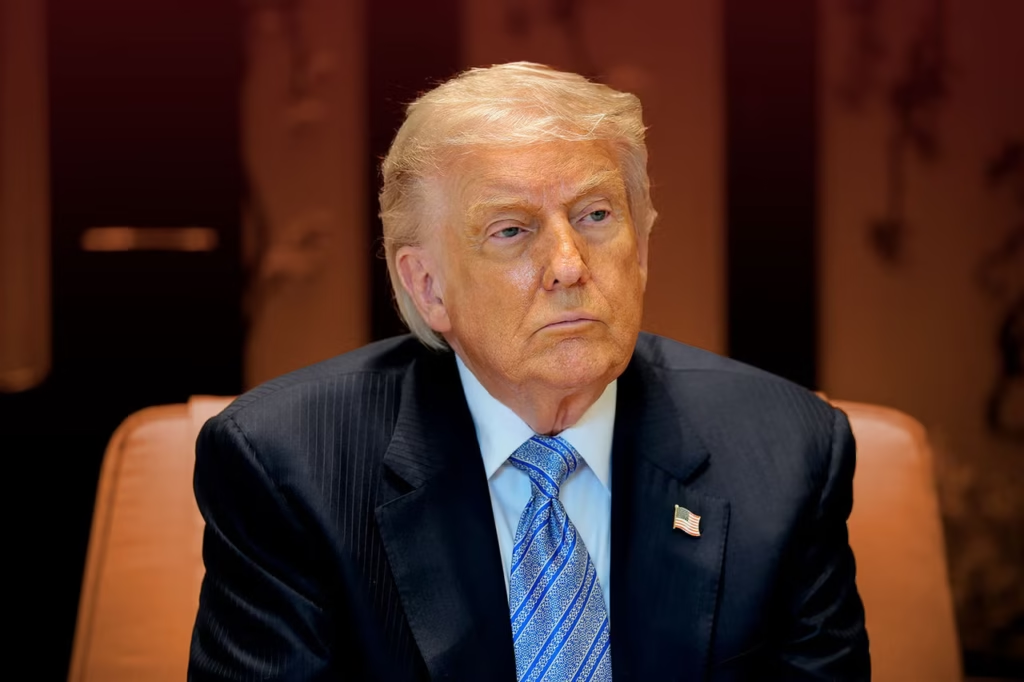
Exit polls and post-election surveys show prices and household costs were the defining voter concern; both the new Democratic majorities and the Trump administration face immediate pressure to deliver tangible relief.
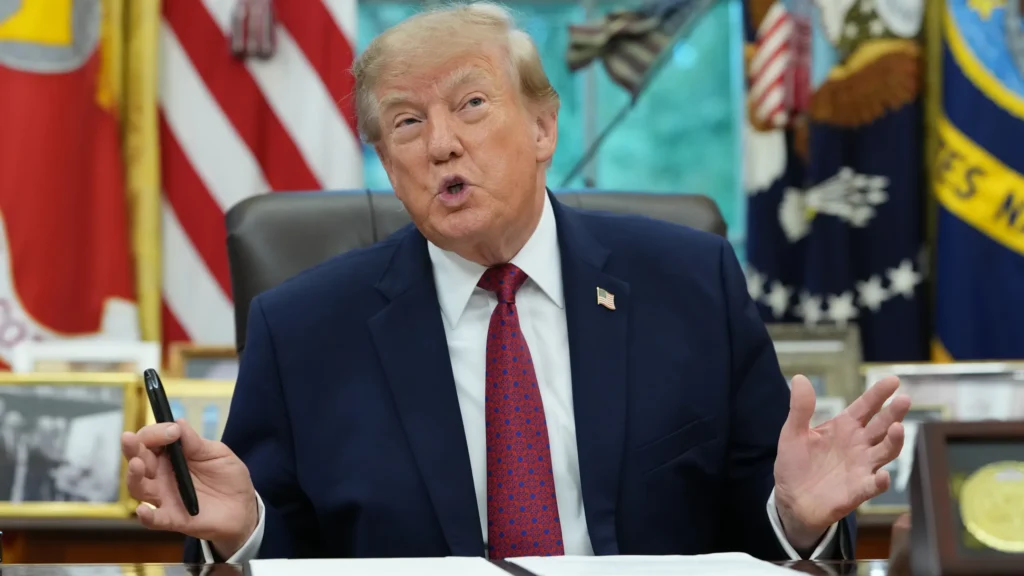
ECONOMY · MIDTERMS · PRICES · ARC: NOV 6 DEMOCRATIC HOUSE SEATS
Exit polling and post-election survey data confirm that household economic concerns — grocery prices, housing costs, healthcare expenses, and energy bills — were the primary driver of voter decision-making in the November 4 midterm elections, AP reported on Sunday. The data present both the incoming Democratic congressional majority and the Trump administration with the same fundamental political challenge: voters who gave Democrats a mandate for change did so primarily because they want relief from cost-of-living pressures that have persisted throughout the post-pandemic period, not because they endorse a specific Democratic legislative agenda. The convergence of this mandate with a divided federal government creates a structural challenge for delivering what voters actually want.
AP reporting on the post-election economic demand survey cited data showing that more than 70 percent of voters across party lines identified the cost of groceries as their most immediate economic concern, with housing affordability running a close second, particularly in suburban and exurban districts. The persistence of elevated grocery prices despite overall inflation moderation — a phenomenon that economists attribute to the stickiness of food retail pricing once it has adjusted upward — has created a specific political grievance that neither party has been able to effectively address through the available policy tools.
What Democrats Can and Cannot Do
The incoming Democratic congressional majority inherits a legislative environment constrained by both divided government — the Trump administration retains the veto — and the structural limits of what Congress can directly do about grocery prices. AP cited Democratic economic policy advisors who noted that the available Democratic levers include antitrust action against food retail consolidation, farm bill revisions that increase competition in agricultural supply chains, and housing legislation that expands supply in constrained markets. These are real policy tools, but their effect on household grocery bills operates on a multi-year timeline that does not match the political urgency of the voter demand.
The Trump administration faces a different version of the same problem. The tariff policies that have been a consistent feature of the Trump economic approach — including import tariffs on agricultural products and consumer goods — have been identified by economists across the political spectrum as contributing to the grocery price inflation that voters are experiencing. AP noted that the administration has shown no indication of modifying its tariff stance despite the midterm results, which creates a potential political dynamic in which the administration is contributing to the economic grievance that the Democratic majority will attempt to exploit.
“They voted for change. But change that actually lowers my grocery bill in the next six months — nobody has that magic button.” — AP economic survey respondent, suburban Ohio
The Housing Dimension
Housing affordability emerged in the AP post-election data as the second-most cited economic concern, with particular intensity in the suburban districts that swung most strongly toward Democrats. The housing affordability crisis in the United States — driven by a persistent supply shortage, elevated mortgage rates following the Federal Reserve rate cycle of 2022 to 2024, and rising construction costs — is structurally resistant to rapid Congressional intervention. AP noted that the most effective housing affordability interventions operate at the state and local zoning level, where Congress has limited direct authority, though federal incentive programs can influence local behavior at the margin.
WHAT HAPPENS NEXT
► Democratic House leadership to introduce grocery price affordability legislation in first 100 days
► Trump administration to respond to Democratic economic agenda through executive action and veto threats
► Federal Reserve to monitor economic indicators for signals that justify rate adjustment
► AP post-midterm economic tracker to continue surveying voter economic satisfaction quarterly
| CONFIDENCE: HIGH | AP confirmed the post-election economic demand data with direct citation of exit polling and survey results. Single outlet, but AP is authoritative for US political polling analysis, and the data cited are primary survey sources. |
| Bias Check | ||
| Left-Lean | Center | Right-Lean |
| Economic pain framed as consequence of Republican supply-side policies; Democratic agenda as genuine relief. | Reports voter economic concerns and policy constraint realities factually; notes structural limits. | Economic concerns framed as validation of deregulation and energy production over Democratic spending. |
SOURCES
► AP — Post-midterm voter economic demand survey, grocery prices, housing, divided government constraints, November 8, 2026