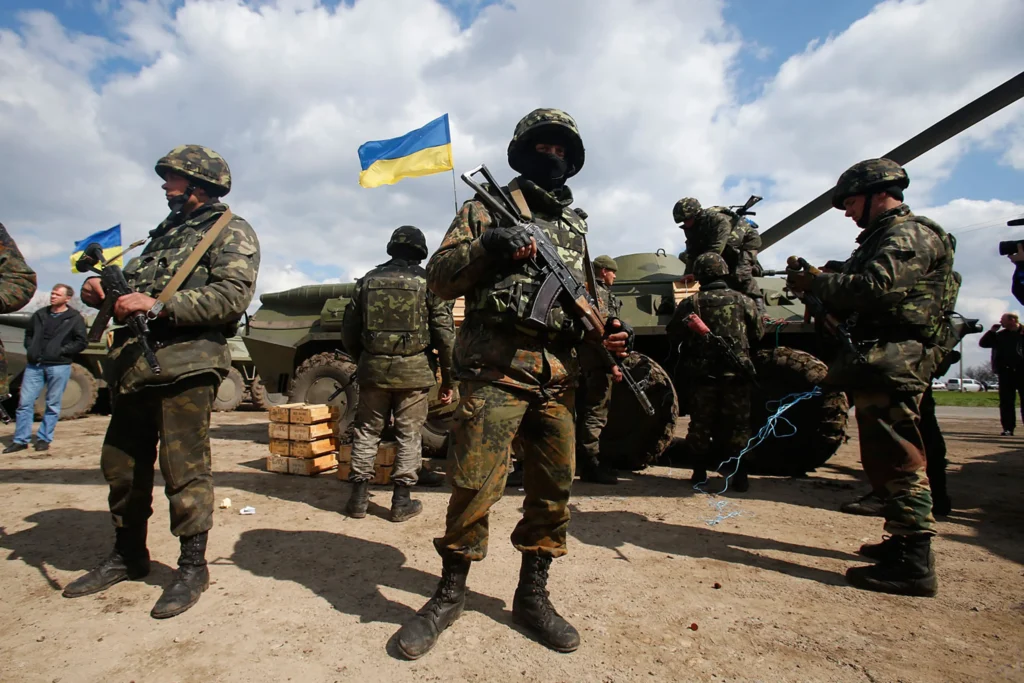
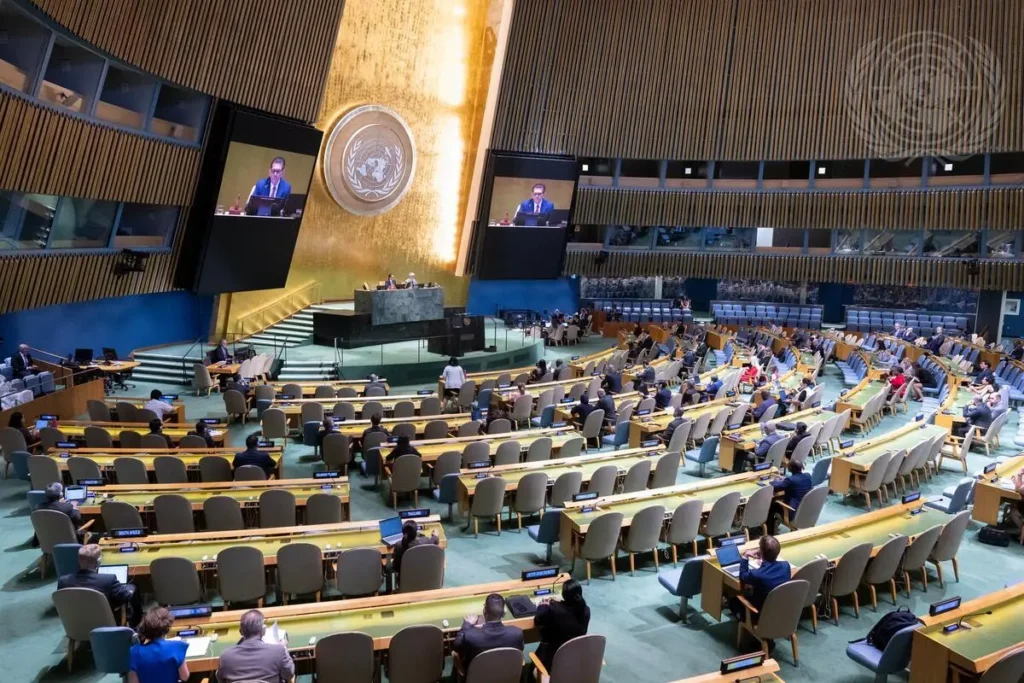
The UN General Assembly voted 143-5 immediately after Russia’s formal annexation declaration, condemning the annexation of Donetsk, Luhansk, Kherson, and Zaporizhzhia. The five votes in support of Russia: Russia, Belarus, Syria, Nicaragua, and North Korea. The 143 votes against: the rest of the international community that voted, with some abstentions.
WHAT NON-RECOGNITION MEANS OPERATIONALLY
International non-recognition of the annexation has specific operational implications for Russia’s election in those territories:
▸ The election results cannot be formally reported to international election monitoring bodies because no international body recognizes the territories as Russian regions
▸ Citizens of those territories remain Ukrainian citizens under international law, meaning Russia is conducting an election among people who are, by international legal consensus, citizens of a different country
▸ Any laws passed by the Russian parliament using votes from representatives elected in those territories have no international legal standing in those territories
Putin holding the election anyway is the specific point: the domestic machinery of democracy is being used to create facts on the ground that the international community has refused to recognize through international law.
143 countries voted against recognizing Russia’s annexation at the UN. Russia held elections there anyway. The elections produce representatives who will vote in a parliament that 143 countries do not recognize as having jurisdiction over those territories. Putin uses the domestic machinery of democracy to create facts that the international machinery of law refuses to confirm.
| CONFIDENCE: HIGH | UN General Assembly 143-5 condemning the annexation of Donetsk, Luhansk, Kherson, and Zaporizhzhia, from the documented UN voting record. |
SOURCES
▸ UN General Assembly voting record — Russia annexation non-recognition September 2026