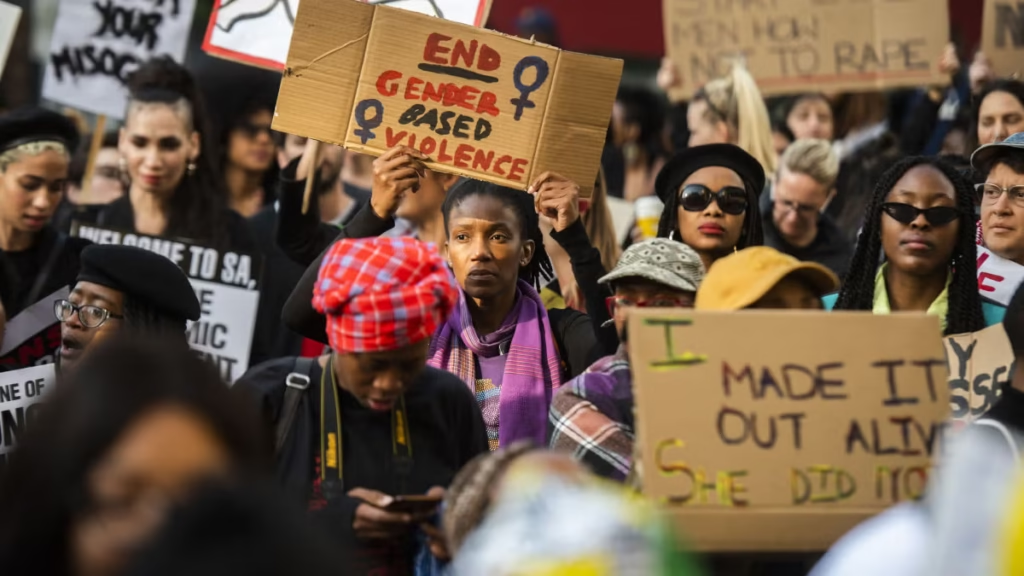
In 2025, the South African government formally declared gender-based violence and femicide a national disaster. A national disaster declaration carries specific institutional weight: it signals that the problem has exceeded normal government capacity and requires exceptional response resources and coordination. It is a formal statement that the situation requires emergency intervention.
WHAT FOLLOWED THE DECLARATION
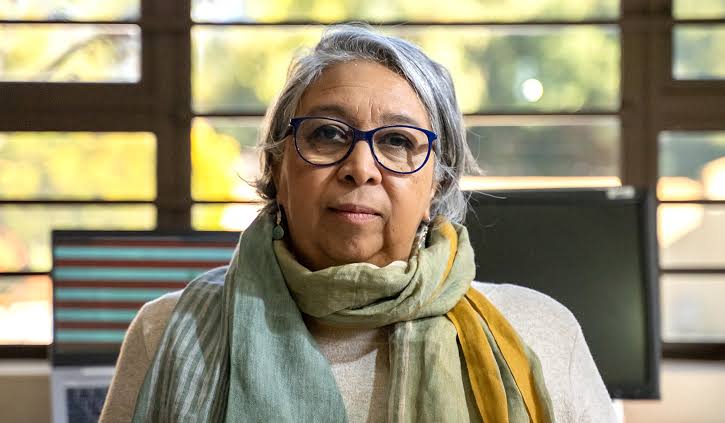
Amnesty International’s South Africa Director Shenilla Mohamed stated plainly in the aftermath of the Ekurhuleni crisis: ‘Women are tired of platitudes. We want to know what is going to be done to make women and children feel safe.’
The specific accountability Mohamed’s statement documents: the national disaster declaration is, itself, a platitude if it produces no measurable change in the femicide rate. The SAMRC’s femicide data documents no measurable decline in the nearly-seven-per-day rate following the declaration.
THE GAP BETWEEN DECLARATION AND REALITY
The specific accountability gap:
▸ 2024 national study: nearly seven women killed every day
▸ 60% by intimate partners
▸ Five times the global average
▸ 2025: national disaster declaration
▸ 2026: Ekurhuleni crisis; nine bodies in two months; femicide researcher calls interventions ‘not effective’
▸ The rate after the declaration is documented by the nine bodies. The declaration did not change the rate. The bodies are the documentation.
AMNESTY INTERNATIONAL’S SPECIFIC DEMAND
Mohamed’s statement does not ask for another declaration. It asks for what actually happens to make women safe. ONYX covers her statement as the institutional accountability bridge between the formal declaration and the documented human outcome. She is not asking for more language. She is asking for what changes in practice.
South Africa declared gender-based violence a national disaster. Women are dying at the same rate. Amnesty International’s South Africa Director said women are tired of platitudes. The nine bodies in Ekurhuleni are nine answers to the question of whether the declaration changed anything. They are not platitudes. They are documentation.
WHAT HAPPENS NEXT
▸ Government structural response — what specific structural measures follow the declaration
▸ Rate monitoring — whether any post-declaration data shows improvement
▸ Amnesty International demands — what specific interventions Mohamed is calling for beyond declarations
| CONFIDENCE: HIGH | South Africa 2025 national disaster declaration gender based violence femicide, no measurable change documented. Amnesty International: Mohamed, ‘women tired of platitudes what going to be done make women and children feel safe’ from NPR Al Jazeera confirmed reporting. |
| ⚖️ BIAS CHECK — WHO IS SAYING WHAT | |
| South African government | Made the national disaster declaration; has promised action; the gap between declaration and documented rate change is the specific accountability |
| Amnesty International / Mohamed | Naming the accountability gap directly; representing the women who are tired of declarations |
| SAMRC research | Provides the specific data against which the declaration’s impact is measured; their numbers are the accountability baseline |
| ONYX | Covering the gap between the formal declaration and the documented rate; naming Mohamed’s statement at its full accountability weight; the nine bodies are the specific post-declaration documentation |
SOURCES
▸ NPR / Al Jazeera — South Africa national disaster gender violence no change September 20 2026