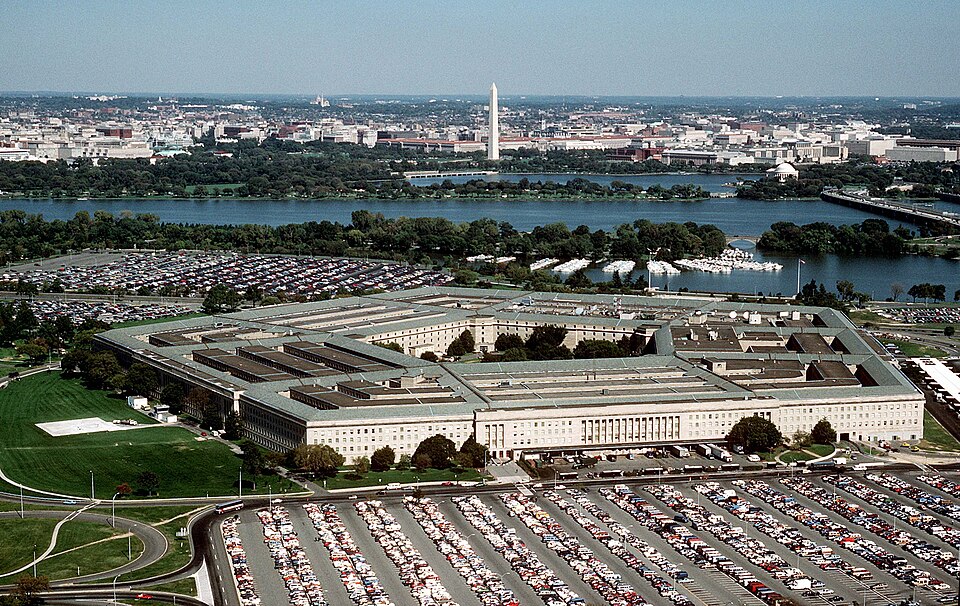
Pentagon officials discussed firing the longtime publisher of Stars and Stripes, the independent military newspaper, just before his already-scheduled retirement, according to CBS News. Stars and Stripes holds a unique institutional position: it has served US military personnel since the Civil War, and it operates with editorial independence from the Defense Department, which funds it but is supposed to be prohibited from directing its editorial content. Discussing firing its publisher — even just before retirement — is a press-freedom signal that targets one of the most institutionally protected forms of military journalism.
STARS AND STRIPES’ UNIQUE INSTITUTIONAL STATUS
Stars and Stripes is unusual in American journalism: it is federally funded (through the Pentagon) but legally protected from editorial interference by the Defense Department. Federal law specifically prohibits the Secretary of Defense from exerting editorial control over the publication. This legal protection exists because Stars and Stripes serves deployed military personnel who may not have access to other news sources and who specifically need journalism that is not filtered by the military hierarchy they operate within.
The publisher’s role is the specific institutional guardian of that independence. A publisher who serves at the pleasure of Pentagon officials rather than one who is protected from retaliation for editorial decisions is a publisher who has an incentive to self-censor. The discussion of firing the publisher — even if it did not proceed to actual firing — signals to the next publisher and the editorial staff exactly the kind of political pressure that the legal independence protection was designed to prevent.
WHY “DISCUSSED FIRING” MATTERS EVEN IF FIRING DIDN’T HAPPEN
The specific press freedom concern here is not that the publisher was fired — he was not; he retired on schedule. The concern is that the discussion occurred, that it was known to have occurred, and that future Stars and Stripes staff now know that the discussion occurred. The chilling effect of a known firing discussion is not eliminated by the fact that the firing did not actually happen. Military journalists who know that the Pentagon discussed firing their publisher for reasons unstated in available reporting will factor that knowledge into their editorial decisions.
They discussed firing the publisher. They didn’t fire him — he retired on schedule. The staff knows they discussed it. That knowledge is the chilling effect.
THE MILITARY PRESS FREEDOM CONTEXT
Stars and Stripes is not the only military press freedom story of this period. ONYX has documented: the White House hack-back memo (August 17) authorizing private offensive cyber against foreign actors; the FBI warning on AI impersonation of government officials (August 18); and the broader pattern of press freedom signals that ONYX has tracked since August 1. The Stars and Stripes firing discussion is specifically significant because it targets the press freedom protections that exist within the military institutional framework itself, not just civilian press freedom.
| CONFIDENCE: HIGH | Pentagon officials discussing firing Stars and Stripes publisher before retirement is from CBS News confirmed reporting. Stars and Stripes legal independence framework is from established federal law. Chilling effect analysis is ONYX editorial, clearly labeled. |
| ⚖️ BIAS CHECK — WHO IS SAYING WHAT | |
| Pentagon Officials | Did not provide CBS News with a specific reason for the firing discussion; the absence of stated reason is itself a data point |
| Stars and Stripes | The institution whose independence is at stake; editorial staff now know the discussion occurred |
| CBS News | Reporting a significant press freedom story; the public interest in Stars and Stripes’ independence is direct given its military readership |
SOURCES
▸ CBS News — Pentagon Stars and Stripes publisher firing discussion, August 2026
▸ Stars and Stripes federal law independence provisions — established public law