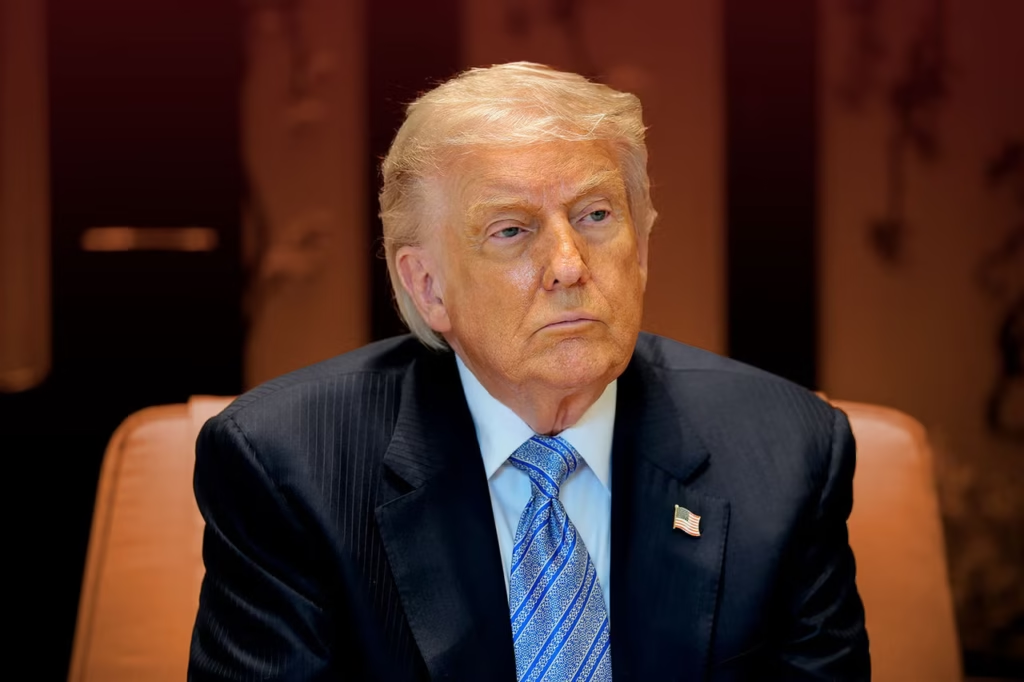
ONYX has tracked the USPS ballot portal and mail-voting accountability arc since September 5. Today: the Supreme Court of the United States struck down the Trump administration’s USPS mail-in voting rule in a 7-2 decision. This is the most significant single domestic ruling of the arc.
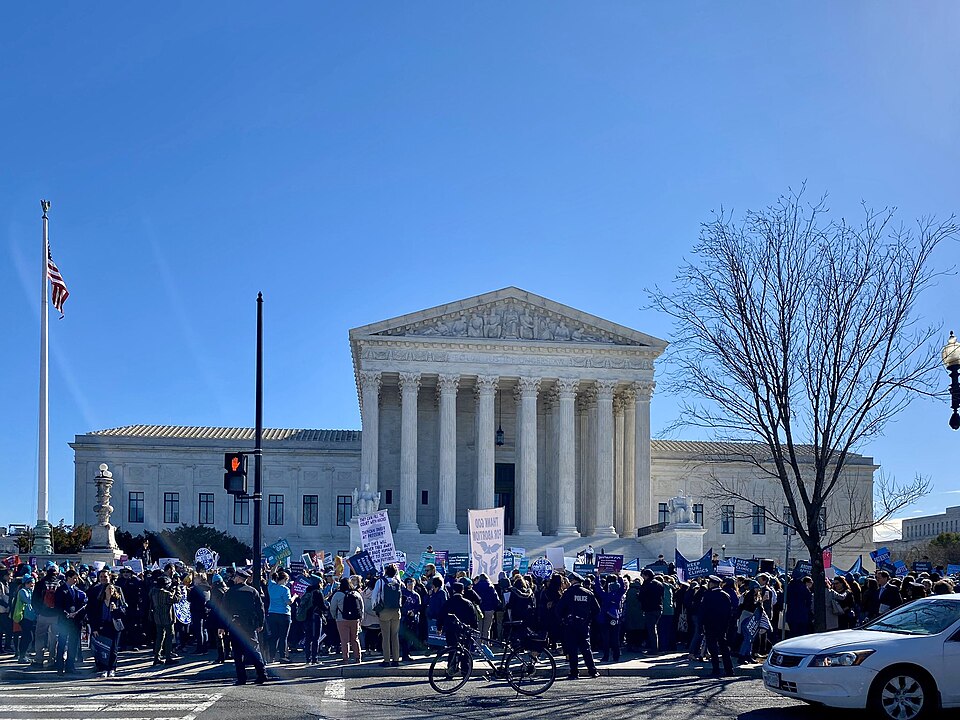
THE RULING
The Supreme Court struck down the Postal Service’s Trump-directed mail-in voting rule Monday in a 7-2 decision, ruling the administration is ‘unlikely to succeed on the merits.’ The ruling reverses the Court’s own earlier order that had allowed the rule to proceed on a non-merits basis. The rule would have required:
▸ States to submit voter lists to USPS before ballots could be mailed
▸ Mail ballot envelopes to meet new barcode design standards
THE KAVANAUGH CONCURRENCE
Conservative Justice Brett Kavanaugh concurred separately with a specific analysis that is analytically significant for the arc. Kavanaugh wrote that applying the rule now ‘would be arbitrary and capricious’ because officials ‘do not have sufficient time to reasonably implement’ it before November. This is a conservative justice writing that the Trump administration’s own election rule was so rushed that implementing it would be legally arbitrary. The Kavanaugh concurrence is not a liberal opinion. It is a legal assessment by one of the Court’s conservative justices that the timeline itself made the rule indefensible.
THE VOTE COUNT
7-2 is not a narrow ruling. It is a supermajority of the Supreme Court. The six-member conservative majority did not hold together in defense of a Republican administration’s election rule. The specific breakdown: the three liberal justices plus four conservative justices formed the majority. Alito and Thomas dissented. The remaining conservatives — including Kavanaugh, who wrote separately — ruled against the administration. ONYX covers the vote count at its specific confirmed composition.
THE WHISTLEBLOWER CONNECTION
ONYX covered the USPS ballot portal whistleblower on September 5: the allegation that the Federal Ballot Mail Portal was built in weeks rather than the nine months to a year such a system typically requires. A separate USPS whistleblower has alleged that the ballot-verification system underlying the struck-down rule was similarly built in weeks rather than the standard development timeline.
The Kavanaugh concurrence’s specific finding — that officials ‘do not have sufficient time to reasonably implement’ the rule — is analytically consistent with the whistleblower’s allegation of rushed development. A system built in weeks rather than nine months to a year, deployed before officials have sufficient time to implement it, produces exactly the kind of implementation failure that Kavanaugh characterized as arbitrary and capricious.
THE ELECTION INTEGRITY STAKES
48 days to November 3. The Supreme Court’s ruling means the USPS mail-voting rule is not in effect for the 2026 midterms. The specific election integrity consequence: the voter list submission requirement and the barcode envelope design standards will not be imposed on states before the midterms. Whether this changes the mail ballot landscape for November is from confirmed reporting on state-level implementation as it develops.
THE STATE OFFICIALS DIMENSION
A brief filed with the Court by state and local election officials — including Republican officials from heavily vote-by-mail Utah — warned that implementing the rule before November would lead to ‘mistakes, delays, and confusion.’ The bipartisan character of the official opposition: Republican election officials in a deeply Republican state warned against the rule’s implementation timeline. The Court’s 7-2 decision incorporated this operational reality.
TRUMP’S RESPONSE
President Trump publicly criticized the Supreme Court for blocking the rule, according to CBS News. This is an on-the-record presidential rebuke of the Supreme Court following a 7-2 loss. Attorney General Todd Blanche told CBS separately that the White House would ‘of course’ comply with the ruling. The specific juxtaposition: the President criticized the Court while his AG confirmed compliance. ONYX covers both statements at their confirmed content.
Seven justices — including four conservatives — struck down Trump’s mail-voting rule. A conservative justice wrote that implementing it now would be arbitrary and capricious. A whistleblower said the system was built in weeks. The Court said officials don’t have enough time to reasonably implement it. Those two findings are the same finding.
WHAT HAPPENS NEXT
▸ Merits case — whether the administration pursues the merits question that the Court said it is unlikely to win
▸ November 3 — mail ballot landscape without the USPS rule in effect
▸ USPS whistleblower — whether the separate portal whistleblower’s allegations are addressed by the ruling
▸ Trump-SCOTUS relationship — whether the presidential rebuke of the Court produces any formal response
| CONFIDENCE: HIGH | Supreme Court 7-2 struck down USPS mail voting rule as ‘unlikely to succeed on the merits’, reversed earlier non-merits order, Kavanaugh concurrence ‘arbitrary and capricious’ ‘not sufficient time to reasonably implement’, Alito Thomas dissented, Trump criticized Court, AG Blanche ‘of course’ comply from confirmed reporting. |
| ⚖️ BIAS CHECK — WHO IS SAYING WHAT | |
| Trump administration | Pursued the mail-voting rule; Trump publicly criticized the Court; the AG confirmed compliance; the specific tension between the president’s response and the AG’s response is documented |
| Kavanaugh | A conservative justice; his concurrence is not a liberal opinion; it is a conservative legal assessment that the rule was too rushed to be defensible; ONYX names this because it is analytically significant that the conservative majority did not hold |
| California AG Bonta | Called it a democracy victory; his political framing is documented |
| Republican Utah election officials | Warned against the rule in a brief; their bipartisan opposition is documented |
| USPS whistleblower | Alleged rushed development; the Court’s timeline finding is consistent with the allegation; ONYX notes the consistency without asserting the Court adopted the whistleblower’s specific claims |
| ONYX | Covering the ruling, vote count, Kavanaugh concurrence, and whistleblower arc at their confirmed levels; naming the analytical connection between the concurrence and the whistleblower allegation |
SOURCES
▸ Confirmed reporting — Supreme Court USPS mail voting rule 7-2 September 16, 2026
Q: What exactly did the struck-down USPS rule require?
A: The USPS rule required states to submit their voter rolls to the Postal Service before ballots could be mailed to registered voters, and required that mail ballot envelopes meet new barcode design standards. The voter list submission requirement was significant because it created a new federal checkpoint in the ballot mailing process that previously did not exist: state election officials would have had to submit their voter lists to a federal agency before ballots could go out. The barcode envelope standards required physical changes to ballot envelope design that printers and election offices would have had to implement before the midterms.
Q: What does “unlikely to succeed on the merits” mean legally?
A: When the Supreme Court says a party is “unlikely to succeed on the merits,” it is making a preliminary legal assessment — not a final ruling. In emergency injunction contexts, courts apply a multi-factor test that includes likelihood of success on the merits, irreparable harm, balance of equities, and public interest. The Court’s finding that the administration is “unlikely to succeed on the merits” means a majority of the justices assessed, after review, that the administration’s legal arguments for the rule are more likely to lose than win when the case is fully litigated. This is a significant legal assessment but not a final ruling on whether the rule is constitutional; the merits litigation could continue.
Q: Why did Kavanaugh write separately?
A: Kavanaugh concurred — agreed with the outcome — but wrote separately to articulate his specific legal reasoning, which differed in emphasis from the majority’s. His specific finding: that applying the rule before November would be “arbitrary and capricious” because of the timeline. The Administrative Procedure Act requires that federal agency rules not be arbitrary and capricious; an agency rule that cannot be reasonably implemented before it takes effect may meet that standard. Kavanaugh’s concurrence is important because it names a specific legal ground — arbitrary and capricious implementation timeline — that could be the basis for further litigation about the rule’s procedural validity.