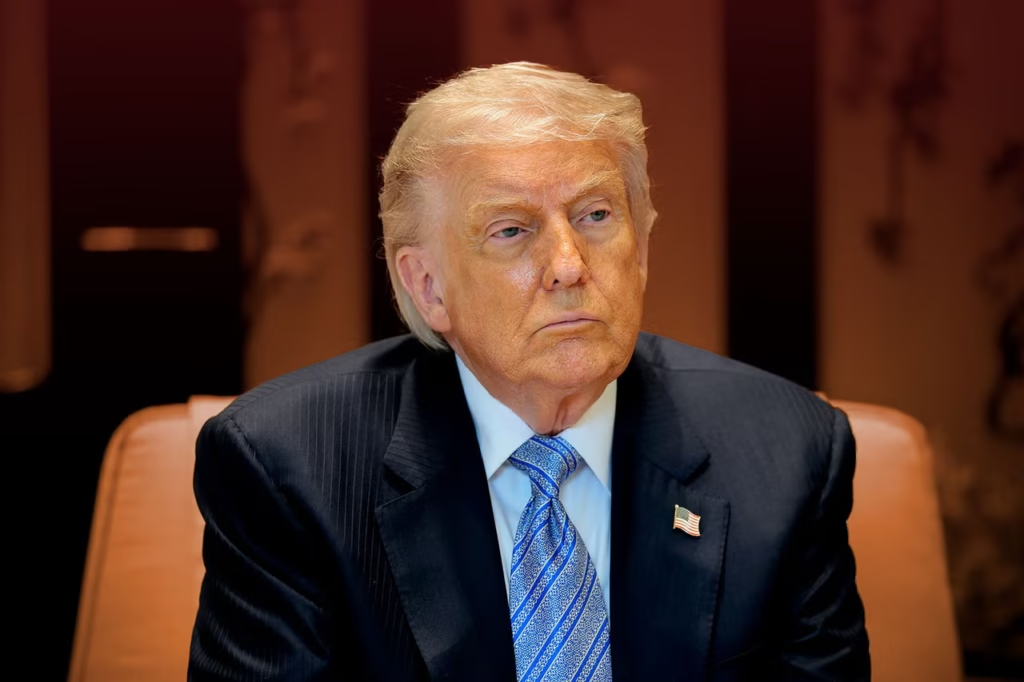
President Trump posted an image crossing out ‘Lake Ontario’ and relabeling it ‘Lake America’ in gold lettering, continuing a pattern of geographic renaming that began with the Gulf of Mexico / Gulf of America controversy earlier in the term. Canada responded with new retaliatory tariffs. Finance Minister François-Philippe Champagne stated: ‘Canada must respond, and today we are in a proportionate, targeted, and strategic way.’ Champagne also explicitly named Canada’s additional leverage: restricting key exports to the US, including ‘shutting down the flow of electricity across the border.’
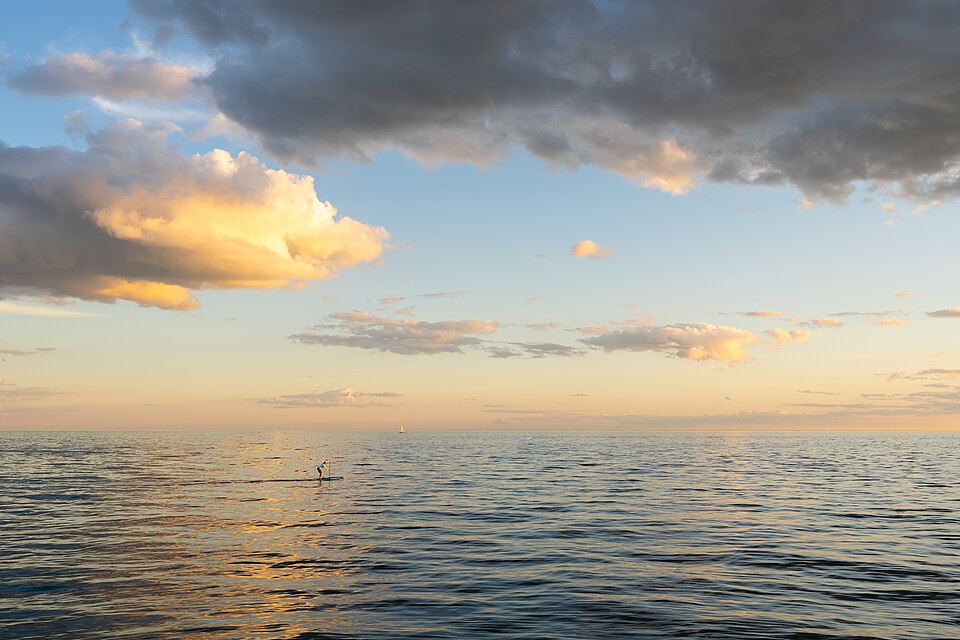
2-MINUTE CONTEXT — LAKE ONTARIO AND THE GREAT LAKES
Lake Ontario is one of the five Great Lakes — the world’s largest system of fresh surface water. It borders Ontario, Canada on the north and New York state on the south. The lake is shared between the two countries by treaty; its name, management, and the 1909 Boundary Waters Treaty that governs the Great Lakes are binational matters. Trump cannot unilaterally rename Lake Ontario in any internationally binding way; the rename is a domestic political and cultural statement, not a geographic or legal reality.
The specific diplomatic provocation: renaming a shared bilateral resource for which Canada has equal treaty rights is a symbolic assertion of American ownership that has no basis in the actual legal framework governing the Great Lakes. Canada’s response — tariffs and electricity threat — reflects the specific sensitivity of being told that a lake your country co-owns is now named for someone else.
THE ELECTRICITY THREAT — HOW REAL IS IT?
Canada’s electricity export leverage is real. The US imports significant amounts of electricity from Canada, primarily from Quebec and Ontario. The specific scope:
▸ New England states (Maine, Vermont, New Hampshire, Massachusetts, Connecticut, Rhode Island) import substantial electricity from Quebec Hydro, including through dedicated transmission lines across the border
▸ New York state imports electricity from Quebec and Ontario; Niagara Falls’ hydroelectric generation is managed under the 1950 Niagara River Water Diversion Treaty
▸ Michigan and other Midwest states have electricity interconnections with Ontario’s grid
▸ If Canada restricted electricity exports, the most immediately affected areas would be New England — a region that depends on Canadian hydro for a significant portion of its baseload power
The specific vulnerability: New England’s electricity grid has limited alternative sources to replace Canadian hydro in the short term. A Canadian electricity restriction would not be immediate (it would require regulatory processes and contract modifications), but it is a credible threat with real economic impact.
THE PATTERN — GEOGRAPHIC RENAMING AS PROVOCATION
The Lake Ontario / Lake America post is consistent with Trump’s established pattern: the Gulf of Mexico / Gulf of America renaming drew significant international attention and produced diplomatic protests from Mexico. The Greenland acquisition push produced diplomatic tension with Denmark. The Lake Ontario post is an escalation of the same pattern applied to a Great Lakes state that is directly integrated with Canada’s economy and energy grid.
The specific political function: geographic renaming posts generate media attention and domestic political engagement at low cost to the administration. Canada’s escalating responses — from diplomatic protest to tariffs to electricity threats — validate the posts’ attention-generating function from Trump’s perspective.
Trump posted ‘Lake America.’ Canada threatened to cut the power. That escalation sequence is the specific result of treating a bilateral treaty lake as a domestic branding opportunity.
THE CANADA TARIFF CONTEXT
Canada’s new retaliatory tariffs are the fourth round of bilateral tariff escalation this year, following the Canada 50% tariff two-hours-before-implementation reprieve (ONYX August 20). The USMCA framework that was supposed to govern US-Canada trade is being progressively undermined by bilateral tariff actions taken outside the agreement’s dispute resolution mechanism. Each round of tariffs and counter-tariffs produces specific economic harm in both countries; the Lake Ontario post has accelerated the tariff cycle’s next iteration.
WHAT HAPPENS NEXT
▸ Canada’s tariff package — the specific goods targeted and the rate structure will determine the economic impact
▸ US response to Canadian tariffs — whether Trump escalates or signals a path to negotiation
▸ Electricity threat implementation — whether Canada moves from threat to formal restriction process
▸ USMCA dispute resolution — whether either country invokes the formal dispute mechanism
▸ Great Lakes treaty implications — whether any legal challenge to the ‘Lake America’ naming is filed
| CONFIDENCE: HIGH | Trump Lake Ontario/Lake America post, Canada new retaliatory tariffs, Champagne ‘proportionate’ statement, and electricity restriction threat are from NPR confirmed reporting. Great Lakes electricity interdependency (Quebec Hydro, Ontario imports, New England and New York exposure) is from established energy market documentation. |
| ⚖️ BIAS CHECK — WHO IS SAYING WHAT | |
| Trump Administration | Geographic renaming generates domestic political attention; Canada’s escalating responses validate the tactic’s attention-generating value; no serious attempt to actually rename Lake Ontario in international law |
| Canada / Finance Minister Champagne | Responding to a specific provocation with proportionate escalation; the electricity threat is the most powerful economic signal Canada has; using it explicitly is a signal about the seriousness of the dispute |
| New England States | The specific US geography most vulnerable to a Canadian electricity restriction; their political representatives will be the specific Congressional voices most affected by the escalation |
| Great Lakes States | Michigan, New York, Ohio, Pennsylvania, Indiana, Illinois, Wisconsin border the Great Lakes; their governors and senators have specific standing to address Great Lakes treaty disputes |
SOURCES
▸ NPR — Trump Lake Ontario post, Canada tariffs, Champagne electricity threat, August 26, 2026