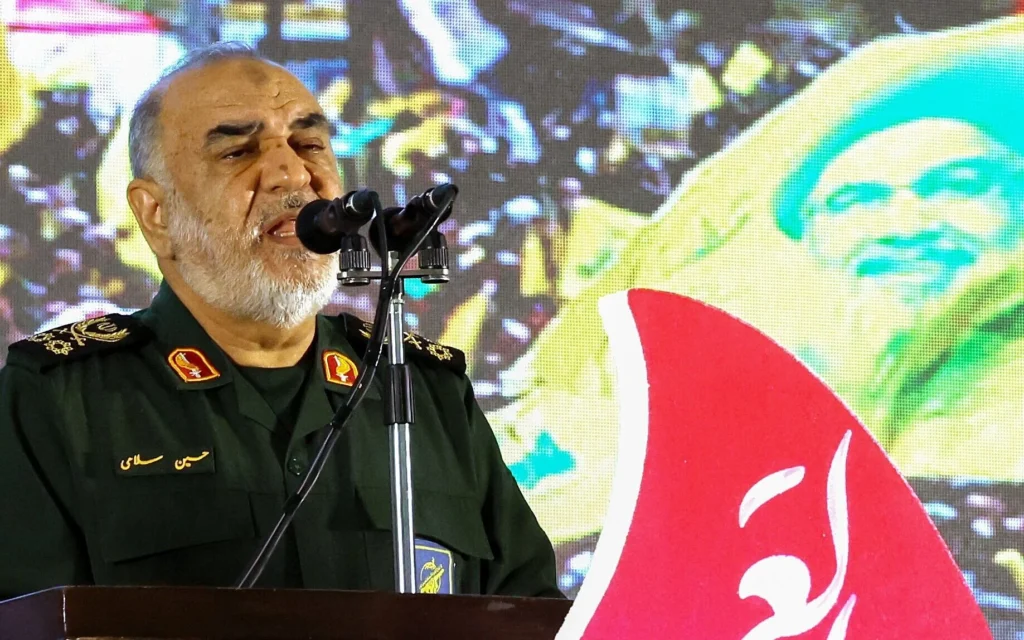
Regional analysts say Saudi Arabia is actively strengthening its position with regional allies even as Houthi rebels escalate their attacks on Saudi energy infrastructure, according to Al Jazeera. The specific pattern: Riyadh is building a broader collective response architecture rather than relying solely on direct military retaliation. This recalibration is happening simultaneously with the Saudi-Turkey-Pakistan Mecca defense pact documented in ONYX’s August 10 coverage — and both represent the same underlying Saudi strategic response to the US-Iran war’s revelation that US military protection has limits.
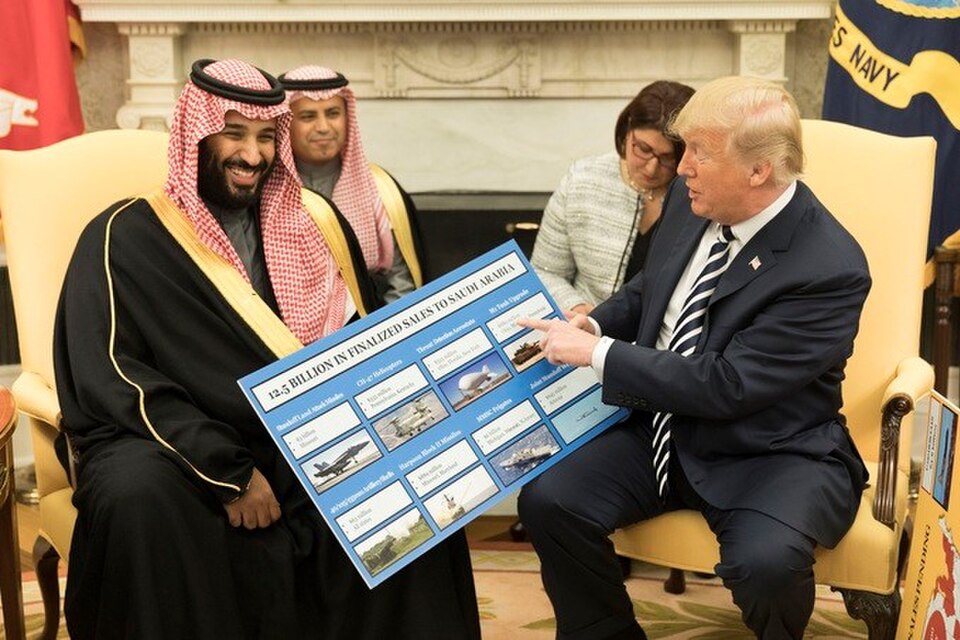
2-MINUTE CONTEXT — WHAT SAUDI COALITION-BUILDING LOOKS LIKE
Saudi Arabia’s coalition-building strategy is operating on multiple tracks simultaneously:
▸ The Saudi-Turkey-Pakistan Mecca defense pact (August 10): the formal trilateral defense agreement that provides collective deterrence through Saudi financial power, Turkish military capability and NATO connection, and Pakistani nuclear deterrence
▸ Gulf Cooperation Council (GCC) reinforcement: strengthening the existing framework of Gulf state military and intelligence coordination against the Houthi threat
▸ Jordan and Egypt engagement: broadening the coalition to include non-Gulf Arab states that have their own interests in Red Sea security
▸ The Arab League framework: using multilateral Arab institutional channels to build collective legitimacy for a more assertive response to Houthi operations
WHY HOUTHI ESCALATION IS DRIVING THE URGENCY
The Houthi campaign against Saudi infrastructure has continued despite seven days of ceasefire between the US and Iran. The specific recent events: Houthi strike on Saudi Aramco’s Jazan refinery (August 12, documented in ONYX Section B), continued Bab al-Mandeb disruption, and ongoing drone campaigns against Saudi energy targets. Each strike demonstrates that the US-Iran ceasefire did not end the proxy war against Saudi Arabia — and that Saudi Arabia cannot rely solely on either US military intervention or the ceasefire framework to protect its infrastructure.
The specific strategic calculation Riyadh is making: if the US-Iran ceasefire holds and the Houthis remain active, Saudi Arabia needs its own coalition capacity to deter or respond to Houthi operations without triggering a breach of the Iran ceasefire. The coalition Saudi is building is designed for exactly this scenario: collective action against Houthi operations that operates within the ceasefire’s constraints on US-Iran direct conflict.
THE IRAN CEASEFIRE AND SAUDI COALITION DYNAMICS
The Iran ceasefire creates a specific diplomatic complexity for Saudi coalition-building: Iran is nominally restrained by the ceasefire from direct military actions against the US and allies, but the ceasefire does not govern Houthi operations. Saudi Arabia’s coalition must be designed to respond to Houthi actions without providing Iran a pretext to characterize the response as a ceasefire violation. This requires operational precision that bilateral Saudi retaliation has not always achieved.
The Saudi-Turkey-Pakistan pact’s nuclear deterrence dimension (Pakistan’s implied extended deterrence) is specifically relevant here: it provides a deterrent layer against Iranian escalation in response to coalition action against Houthis. If Iran believes that coalition action against its proxies might invite a nuclear-backed response, it has an incentive to constrain Houthi operations more effectively.
Saudi Arabia is building a coalition that can act where the ceasefire can’t. That is what the Mecca pact is for.
THE IRAN ANGLE
Iran’s analysts quoted by Al Jazeera in the August 10 Mecca pact coverage said the pact ‘signals a shifting perception of the US role in the region.’ Saudi coalition-building in general is Iran’s read of the same underlying reality: Riyadh is hedging against US unreliability by building its own security capacity. Whether this hedging is a permanent structural shift or a temporary response to the war’s specific circumstances will become clearer as the nuclear dialogue produces (or fails to produce) a framework.
WHAT HAPPENS NEXT
▸ Saudi coalition military exercises — expected within 90 days of the Mecca pact; first visible implementation signal
▸ GCC coordination on Houthi response posture — watch for coordinated statements or joint operations
▸ Nuclear dialogue outcome — if the dialogue produces a nuclear framework, Saudi hedging may reduce; if it fails, Saudi coalition-building accelerates
▸ Houthi operations pace — whether Iran exercises its leverage over Houthi command-and-control as part of ceasefire diplomacy is the key behavioral variable
| CONFIDENCE: HIGH | Saudi coalition-building analysis is from Al Jazeera reporting. Houthi Jazan refinery strike is from August 12 ONYX documentation. Saudi-Turkey-Pakistan Mecca pact is from August 10 ONYX documentation. Strategic analysis is ONYX editorial based on documented facts. |
| ⚖️ BIAS CHECK — WHO IS SAYING WHAT | |
| Saudi Arabia | Framing as defensive coalition-building; not characterizing as anti-Iran; maintaining ceasefire compliance language |
| Iran | Watching Saudi coalition as threat to proxy network operational freedom; IRGC will be monitoring Houthi constraints carefully |
| Houthis | Will not acknowledge Iranian direction; will describe Saudi coalition as evidence of the anti-resistance conspiracy |
| Al Jazeera | Qatar-based; Qatar is a Gulf state with its own Iran relationship; coverage is nuanced on the intra-Gulf dynamics |
| Turkey and Pakistan | Participating in the pact; both have their own Iran relationships to manage alongside the Saudi alignment |
SOURCES
▸ Al Jazeera — Saudi coalition-building, regional allies, August 2026
▸ ONYX August 10 — Saudi-Turkey-Pakistan Mecca defense pact
▸ ONYX August 12 — Houthi Jazan refinery strike
Q: Does the Mecca pact mean Saudi Arabia has nuclear protection?
A: The pact includes Pakistan, the only Muslim-majority nuclear-armed state. Pakistan has not explicitly committed to nuclear deterrence on behalf of Saudi Arabia; the implication is present in the pact’s structure but has not been formally stated. This deliberate ambiguity is the point.
Q: Is this directed against Iran?
A: Not explicitly. The pact is framed as deterring aggression generally. Iran is the obvious referent for the region’s primary security concerns, but the pact does not name Iran. This diplomatic framing preserves Saudi Arabia’s ability to maintain formal diplomatic relations with Iran while building deterrent capacity against it.