CNN’s investigation into the Galápagos drone attacks found survivors who describe the events directly: drones approaching their boats, releasing devices, and the boats catching fire. Their accounts are detailed and consistent. What is striking is not the quality of the evidence they provide but the absence of any formal governmental or international response to that evidence. Five months after the incidents, no formal international investigation has been announced, no attribution has been made, and no responsible party has been identified or charged.
WHAT THE SURVIVORS DESCRIBE
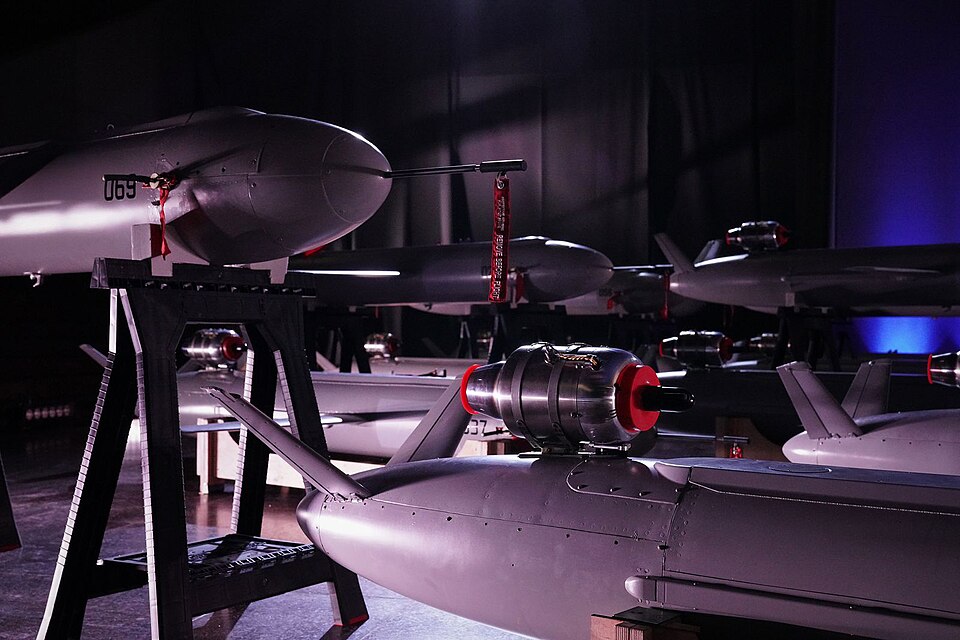
The survivor accounts CNN obtained describe: visual sighting of drones at relatively close range; the drones releasing objects that impacted the boats; fire breaking out rapidly after impact; abandoning the boat before it was entirely consumed. These are not secondhand accounts — they are direct witness testimony from people who were on the boats when the attacks occurred.
Consistent elements across the accounts: the drones were unmanned (no visible operator); they were not commercial hobbyist drones (the explosive payload and delivery accuracy suggest purpose-built or modified military-grade capability); and the attacks appeared deliberate rather than accidental.
THE ACCOUNTABILITY GAP
The accountability gap is the most significant element of this story. The events occurred in March 2026. It is now August 2026. In five months: Ecuador has not publicly announced a formal investigation with findings; the US has denied involvement but has not offered an alternative attribution; no regional security organization has formally investigated; and no responsible party has been identified, charged, or sanctioned.
This level of accountability absence for armed drone attacks on civilian vessels would be remarkable in any other maritime context. Armed attacks on civilian shipping are covered by international maritime law, UNCLOS, and multiple international security frameworks. The absence of a formal response suggests either that the responsible actor is powerful enough that states prefer not to pursue the attribution, or that the intelligence picture is genuinely unclear enough that attribution cannot be made.
The drones came. The boats burned. The survivors can tell you what happened. Nobody official is asking who sent the drones.
THE JURISDICTIONAL QUESTION
The Galápagos Islands are Ecuadorian territory; the surrounding waters are Ecuadorian exclusive economic zone (EEZ). Ecuador is the primary jurisdiction for investigating attacks in those waters on Ecuadorian-flagged or Ecuadorian-crewed vessels. The scale of Ecuador’s maritime investigative capacity, relative to the investigative challenge of tracing drone attacks in open ocean, is limited. Ecuador may be doing what it can; what it can may not be enough to identify a sophisticated drone operator.
| CONFIDENCE: HIGH | Survivor accounts are from CNN investigation. Pentagon denial is from confirmed reporting. Accountability absence (no formal investigation announced, no attribution) is from established reporting. |
SOURCES
▸ CNN — survivor accounts, Galápagos drone attacks investigation, August 2026