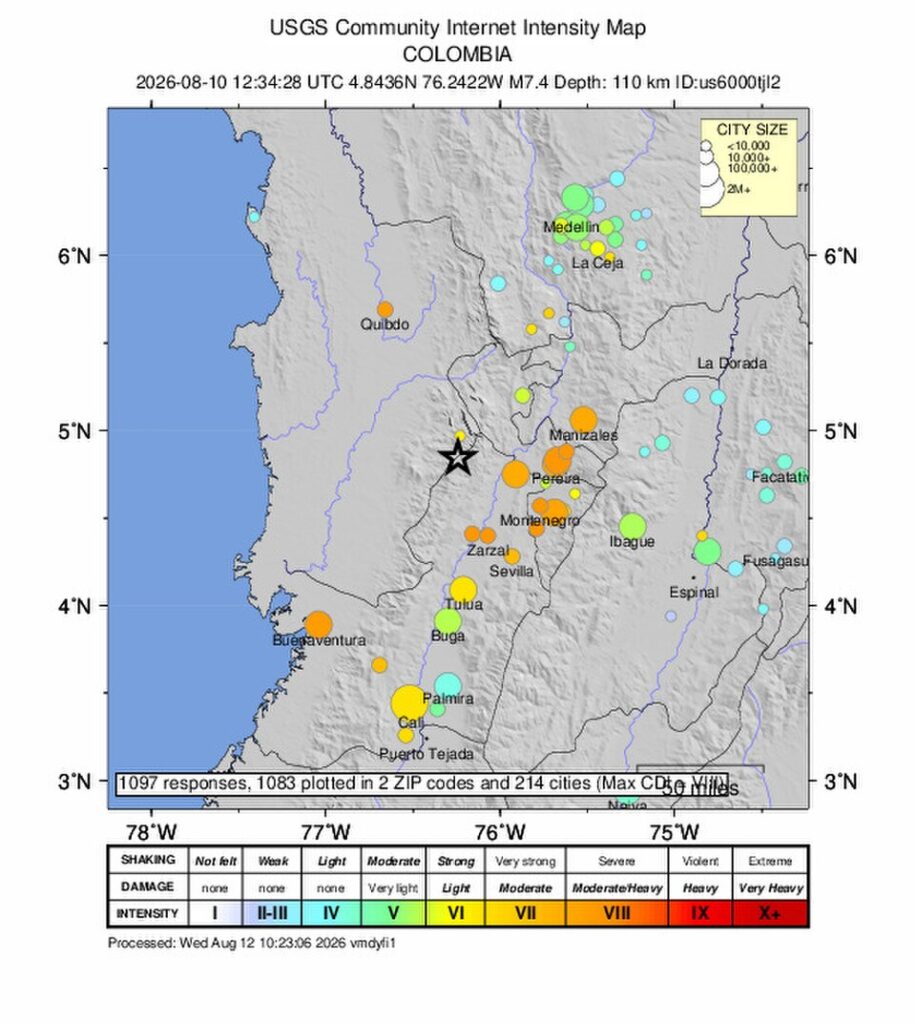
Colombia’s National Unit for Disaster Risk Management confirmed more than 12,000 homes destroyed and over 100 buildings leveled — figures that translate into specific human realities: families in emergency shelters; families staying with relatives; families in tents in the ruins of their neighborhoods; and families still sharing photos on social media with captions asking if anyone has seen a missing person. Five days after the earthquake, these families are in the gap between the emergency that dominated Day 1-2 coverage and the reconstruction that will take years. This is what that gap looks like.
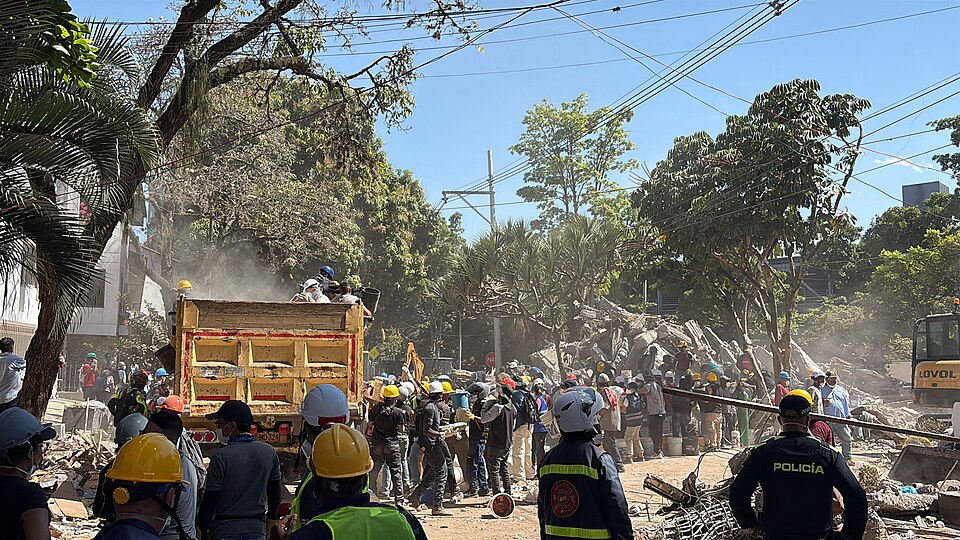
THE EMERGENCY SHELTER REALITY
Families displaced from destroyed or yellow-tagged homes are in emergency shelters that were not designed for five-day stays, let alone the months-long stays that may be required while formal damage assessments are completed and reconstruction is planned. Colombian Red Cross, civil defense, and municipal emergency management are managing these facilities with the resources available; those resources are not unlimited.
The specific constraint: shelters need to continue functioning for weeks to months, not days. The food, sanitation, medical, and psychological support that emergency shelters provide at Day 1-2 levels cannot be sustained indefinitely. At some point, emergency shelter populations need to transition to temporary housing or reconstructed permanent housing. That transition takes time, planning, resources, and land — all of which are in short supply.
THE SOCIAL MEDIA MISSING PERSONS SEARCH
The earthquake has generated a specific social media phenomenon that ONYX first described on August 13: families using WhatsApp groups, Facebook, Instagram, and TikTok to share photos of missing loved ones and pleas for information. Five days on, these posts continue — some producing responses (a person was found in a hospital in Pereira; a family member survived and is with relatives); others receiving no response.
The social media search is not separate from the official missing persons process; it is often faster. A photo shared on Instagram that reaches a hospital volunteer or a rescue team member can produce information faster than official channels in an environment where official communication systems are still partially disrupted. The 320 official missing count exists alongside a social media ecosystem of people actively looking for each other.
The earthquake happened in five seconds. The missing persons search is happening five days later. Both facts are part of the same disaster.
THE RECONSTRUCTION GAP
12,000 homes destroyed is a reconstruction challenge on a specific scale. Colombia’s government has announced relief measures and reconstruction commitments; translating those commitments into rebuilt homes requires: land assessment (whether the ground is safe to build on after earthquake damage); design and permitting; contractor capacity; building materials supply chains; and funding. Each step takes time. The gap between ‘we will rebuild your home’ and ‘your home is rebuilt’ is measured in years, not months.
| CONFIDENCE: HIGH | 12,000+ homes destroyed and 100+ buildings leveled are from Colombia’s National Disaster Risk Management Unit confirmed figures. Emergency shelter and reconstruction gap analysis is ONYX editorial based on established disaster recovery research. |
SOURCES
▸ Colombia National Disaster Risk Management Unit — 12,000+ homes, 100+ buildings (Day 5 confirmed)