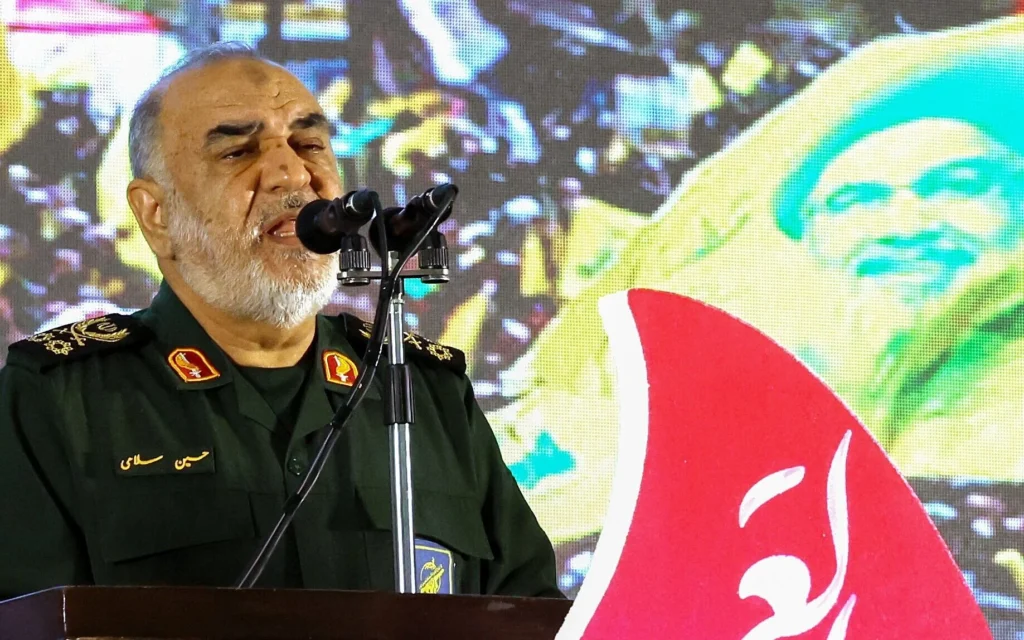
Israeli military operations in Lebanon have continued during the ceasefire period. ONYX identified on August 7 five failure modes for the deal: Israeli unilateral strike on Iran (HIGH probability); Iran enrichment violation; Iranian domestic collapse; Gulf proxy incident; 60-day cliff. The continued Israeli operations in Lebanon are not equivalent to an Israeli strike on Iran — the ceasefire’s specific concern is a direct Israeli strike on Iranian territory, which would trigger Iranian retaliation and collapse the deal framework. Israel’s Lebanon operations are a separate, ongoing dimension of the broader regional conflict that the US-Iran ceasefire was never designed to address.
THE FAILURE MODE ASSESSMENT AT DAY 10
ONYX’s five failure modes assessed at Day 10:
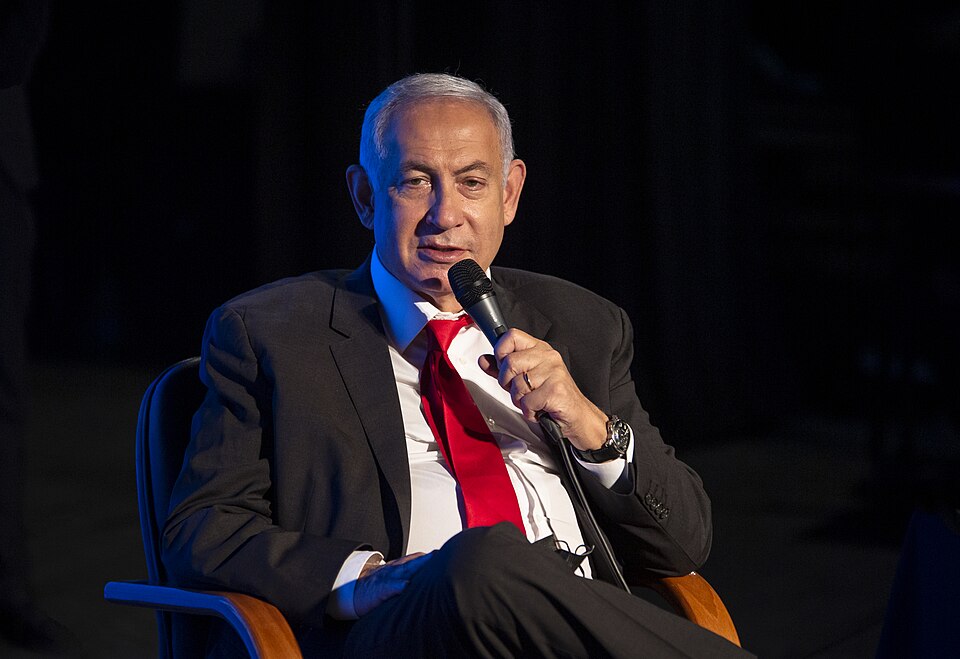
▸ Israeli unilateral strike on Iran: STILL HIGH — no Israeli strike on Iranian territory has occurred; Ben Gvir has not issued a coalition ultimatum; Netanyahu has maintained conditional acceptance of the deal. The risk has not resolved; it has been managed through Day 10.
▸ Iran enrichment violation: MONITORING — IAEA data through Day 9 shows below-20% enrichment; no violation documented; the nuclear dialogue’s second session is the next test.
▸ Iranian domestic collapse: NOT CURRENTLY ACTIVE — Iran’s government is operational; parliamentary legislation is domestic politics, not regime instability.
▸ Gulf proxy incident: ACTIVE BUT MANAGED — Houthis struck Saudi Aramco Jazan refinery (August 12); Bab al-Mandeb remains disrupted; the ceasefire does not cover proxies. This failure mode is being documented but has not produced ceasefire collapse.
▸ 60-day cliff: 49 DAYS AWAY — October 6; the nuclear dialogue’s second session must demonstrate progress before this becomes acute.
ISRAEL’S LEBANON OPERATIONS — THE DISTINCTION
Israeli operations in Lebanon target Hezbollah infrastructure. Hezbollah is an Iran proxy, but Lebanese territory is not Iranian territory. Israel has been conducting operations in Lebanon throughout the war period. The US-Iran ceasefire does not stop Israeli-Hezbollah conflict in Lebanon; it stops direct US-Iran military engagement and Iranian direct attacks on US forces and allies through the Hormuz mechanism.
The specific risk these operations present to the ceasefire is escalation: if Israeli strikes in Lebanon kill Iranian military advisors or Iranian-flagged assets in a way that Iran characterizes as requiring a response against Israeli territory, and if that response draws the US in, the ceasefire framework becomes stressed. That scenario has not occurred through Day 10.
The ceasefire is about US-Iran. Israel-Hezbollah in Lebanon is a different conflict running in the same geography. Both are real; only one of them is covered by the August 7 deal.
| CONFIDENCE: HIGH | Israeli Lebanon operations are from established reporting. Five failure modes are from ONYX August 7 analysis, updated at Day 10. Hezbollah/Lebanon distinction from Iranian territory is established fact. |
SOURCES
▸ ONYX August 7 — five failure modes analysis
▸ Israeli military operations documentation — established reporting