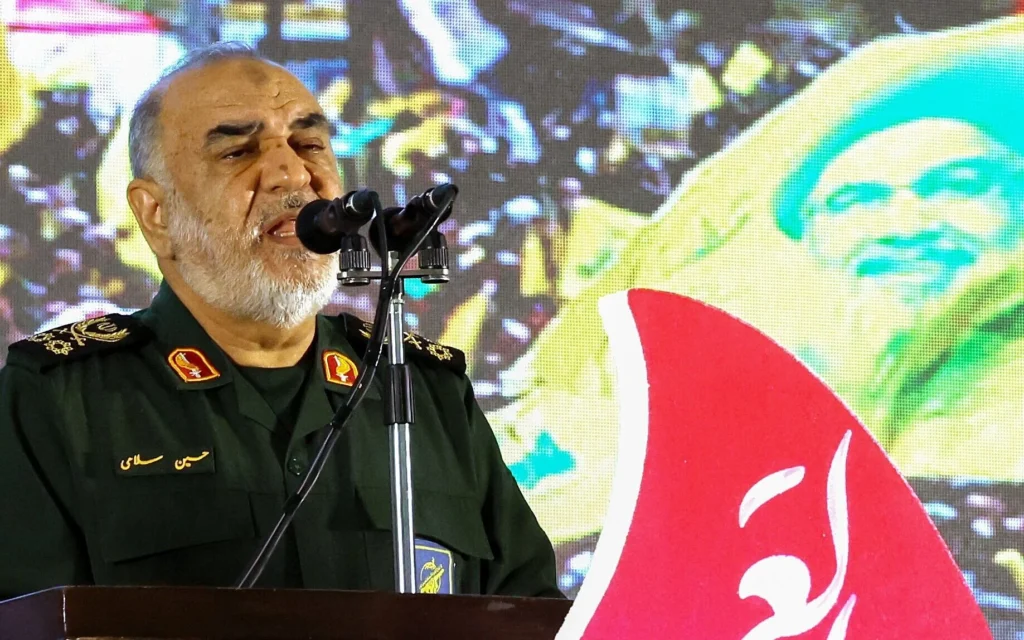
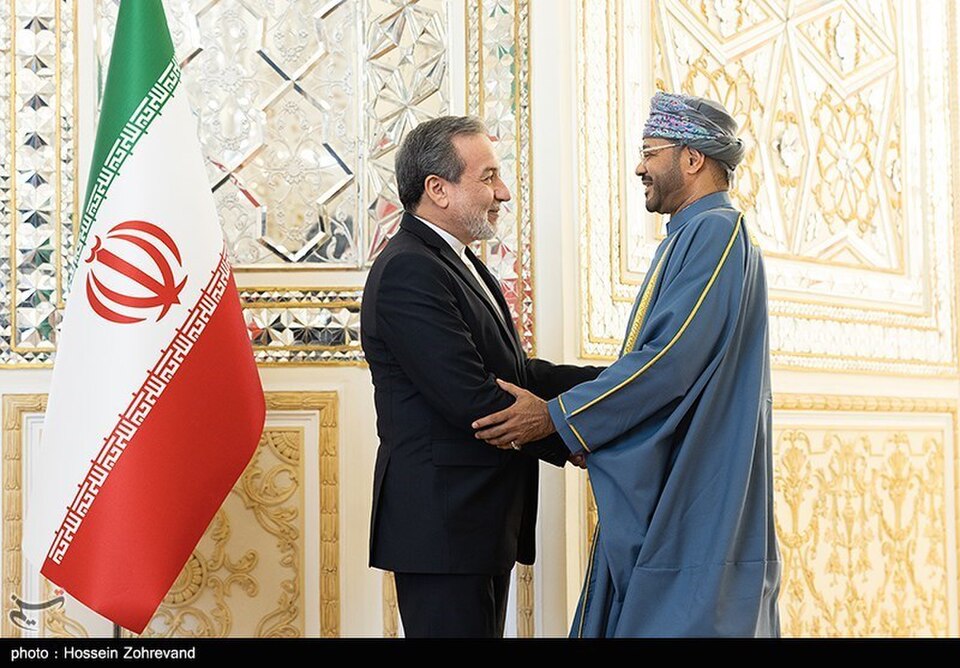
Araghchi confirmed Iran continues separate technical discussions with Oman over maritime boundaries and shipping regulation through the Strait of Hormuz, explicitly distinct from any track involving the United States. Qatar and Pakistan remain in contact with Tehran as additional mediators. Araghchi stressed these discussions ‘do not amount to active negotiations’ and that no decision has been made on resuming direct talks with Washington. ONYX covers this as a genuinely new development: the Iran-Oman bilateral maritime track operating alongside the nuclear dialogue’s US-Iran track is a distinct diplomatic channel that adds complexity to the deal’s architecture.
WHY THE OMAN MARITIME TRACK IS SEPARATE
Oman has a unique position in the Hormuz dispute: approximately half of the strait’s narrowest navigable channel passes through Omani territorial waters. Any agreement on Hormuz governance that does not include Oman’s consent is legally and practically incomplete — Iran cannot enforce a maritime regime in the strait without Oman’s cooperation or acquiescence, and Oman has significant economic interests in maintaining open Hormuz transit as a cornerstone of its own shipping and trade.
The Iran-Oman maritime boundary discussions are therefore about the practical Hormuz governance question: how are boundaries delineated, what oversight of vessel traffic exists, and what happens when disputes arise. These are technical maritime law questions distinct from the nuclear enrichment and verification questions in the US-Iran nuclear dialogue. Iran is running two separate diplomatic tracks simultaneously.
WHAT ARAGHCHI ACTUALLY SAID
Araghchi’s specific characterization — that the Oman discussions ‘do not amount to active negotiations’ and that ‘no decision has been made on resuming direct talks with Washington’ — is carefully calibrated diplomatic language. ‘Technical discussions’ with Oman over maritime boundaries is Iran’s way of advancing its Hormuz governance claims through a channel that doesn’t require acknowledging direct US-Iran negotiation. It is also consistent with Oman’s role as the ceasefire’s mediator and the nuclear dialogue’s host.
The distinction between ‘technical discussions’ and ‘active negotiations’ is legally and diplomatically meaningful: technical discussions can be deniable and do not create the political commitments that active negotiations imply. Iran is talking to Oman about Hormuz in a way it can characterize as not talking to the US about Hormuz — while using Oman as the intermediary that connects to the US framework. This is diplomatic architecture, not deception.
THE QATAR AND PAKISTAN CHANNEL
Qatar and Pakistan are both maintaining contact with Tehran as additional mediators — Qatar through its Gulf state position and relationship with Iran; Pakistan through the Mecca defense pact connection documented in ONYX August 10 and 15 coverage. These channels provide Iran with additional diplomatic optionality: if the Oman-mediated nuclear dialogue channel encounters difficulty, Iran has alternative communication lines already open.
Iran is talking to Oman. Oman is talking to the US. Iran is talking to Qatar. Qatar is talking to everyone. The bilateral structure of the deal is actually multilateral, and that’s how it was designed to hold together.
WHAT HAPPENS NEXT
▸ Iran-Oman maritime boundary discussions — their content will gradually become clearer as both parties describe the scope of what they’re discussing
▸ Whether the Oman maritime track and the nuclear dialogue track are coordinated or parallel — this is the specific structural question that determines whether the deal’s overall framework is coherent or fragmented
▸ Qatar and Pakistan channels — watch for any public statements from either indicating the status of their Iran communications
| CONFIDENCE: HIGH | Araghchi’s Oman channel confirmation and specific language (‘technical discussions,’ ‘not active negotiations’) are from confirmed reporting. Qatar and Pakistan mediator roles are from confirmed reporting. Oman’s Hormuz geographic position is from established maritime geography. |
| ⚖️ BIAS CHECK — WHO IS SAYING WHAT | |
| Iran / Araghchi | Managing multiple diplomatic channels to maintain maximum negotiating flexibility while not publicly committing to any specific framework |
| Oman | Has both mediation interests (as ceasefire host) and direct Hormuz governance interests; the bilateral discussions serve both |
| Qatar | Gulf state with Iran relationship; maintaining communications serves Qatar’s interests in regional stability |
| Pakistan | Mecca pact participant; Pakistan’s communication with Iran is connected to its Saudi alliance management |
SOURCES
▸ Araghchi statement — Oman maritime discussions, Qatar/Pakistan contacts, August 2026