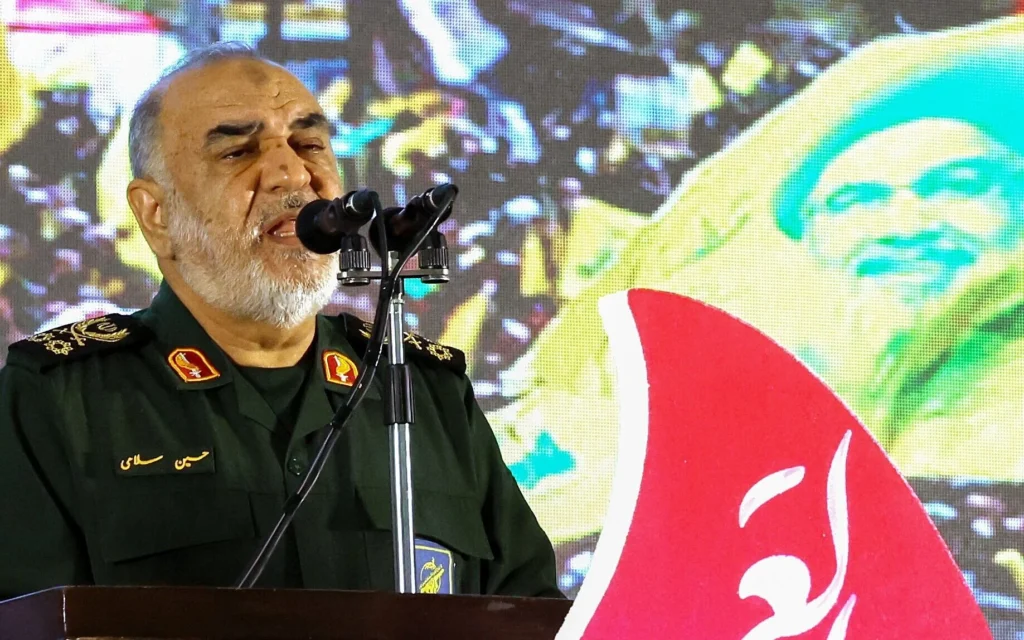
Iran’s parliament advancing legislation asserting full Hormuz control and toll provisions, while Araghchi simultaneously attends nuclear dialogue in Muscat and maintains technical discussions with Oman, is not a contradiction — it is a deliberate dual-track political architecture. The parliament speaks to domestic hard-line audiences; the Foreign Ministry speaks to international audiences. Understanding which track is making policy and which is performing politics is the specific analytical task this article addresses.
HOW IRAN’S POLITICAL STRUCTURE WORKS
Iran’s governing structure is not a unitary executive. It involves: the Supreme Leader (Khamenei); the elected President (currently managing economic and security portfolios); the elected Parliament (Majlis); the Foreign Ministry; the Islamic Revolutionary Guard Corps (IRGC); and the Supreme National Security Council. These institutions have different constituencies, different incentives, and different communication channels.
The specific dynamic in the Hormuz situation: the Majlis (parliament) can pass legislation without it becoming operational policy. Presidential signature is required; the Supreme Leader’s guidance is required for major foreign policy positions. The parliament passing aggressive Hormuz legislation is a Majlis political statement — it shows the hardline parliamentary bloc’s position, creates domestic political pressure, and signals to Iran’s population that their interests are being defended. Whether it becomes operative policy is determined by the executive and the Supreme Leader.
THE ARAGHCHI POSITIONING
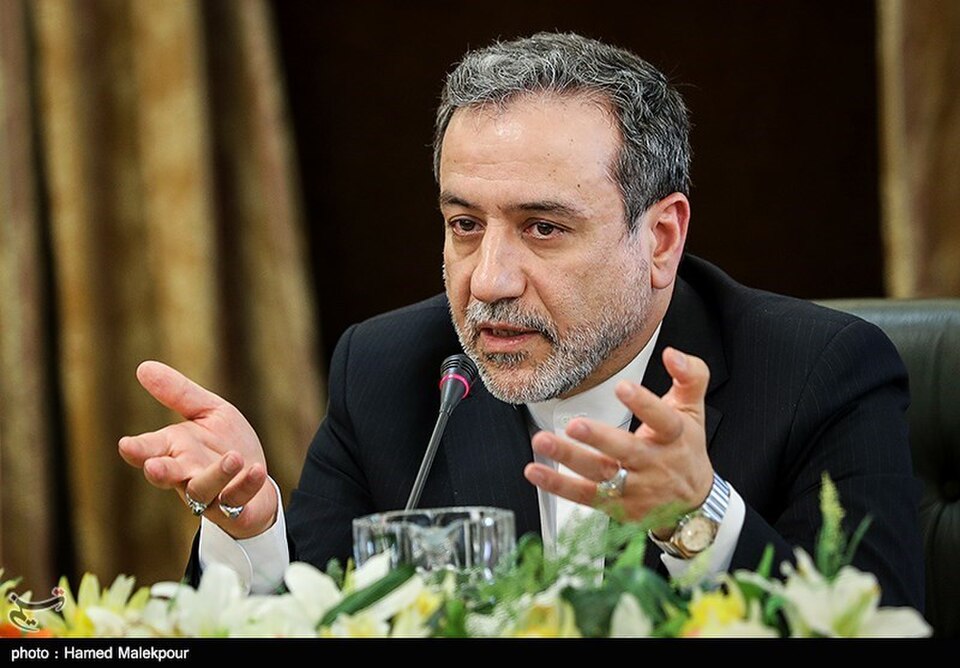
Araghchi’s participation in the nuclear dialogue, his maintenance of the Oman channel, and his language about the August 7 agreement representing an ‘end to the war’ (not a ceasefire, in Iran’s framing) all reflect the diplomatic track’s position: Iran is engaging internationally, using the frameworks available, while maintaining its claimed Hormuz sovereignty rhetorically. The Foreign Ministry’s track is the one making contact with the external world.
The two tracks are not in conflict — they are coordinated. The parliament’s aggressive posture strengthens Araghchi’s negotiating hand by demonstrating to the US what the alternative to diplomatic engagement looks like from Iran’s domestic political direction. ‘Deal with Araghchi now, or deal with what the parliament is demanding later’ is the implicit message.
Iran’s parliament is the maximum position. Araghchi is the negotiating position. The distance between them is Iran’s negotiating range.
THE KHAMENEI DIMENSION
The Supreme Leader’s actual position — how much of the parliamentary Hormuz legislation he supports as policy versus allowing it as political theater, and how much of the nuclear dialogue he supports — is the black box at the center of Iranian decision-making. Araghchi does not act independently of Khamenei’s guidance; the parliament does not pass legislation that the Supreme Leader finds fundamentally unacceptable. The dual-track architecture is authorized from the top.
| CONFIDENCE: HIGH | Iran parliamentary Hormuz legislation and Araghchi nuclear dialogue participation are both from confirmed reporting. Iran’s governmental structure (Majlis, Supreme Leader, SNSC) is from established political science documentation. Analysis of dual-track architecture is ONYX editorial, clearly labeled. |
SOURCES
▸ Confirmed reporting — Iran parliament Hormuz legislation and Araghchi nuclear dialogue
▸ Established political science — Iran governmental structure