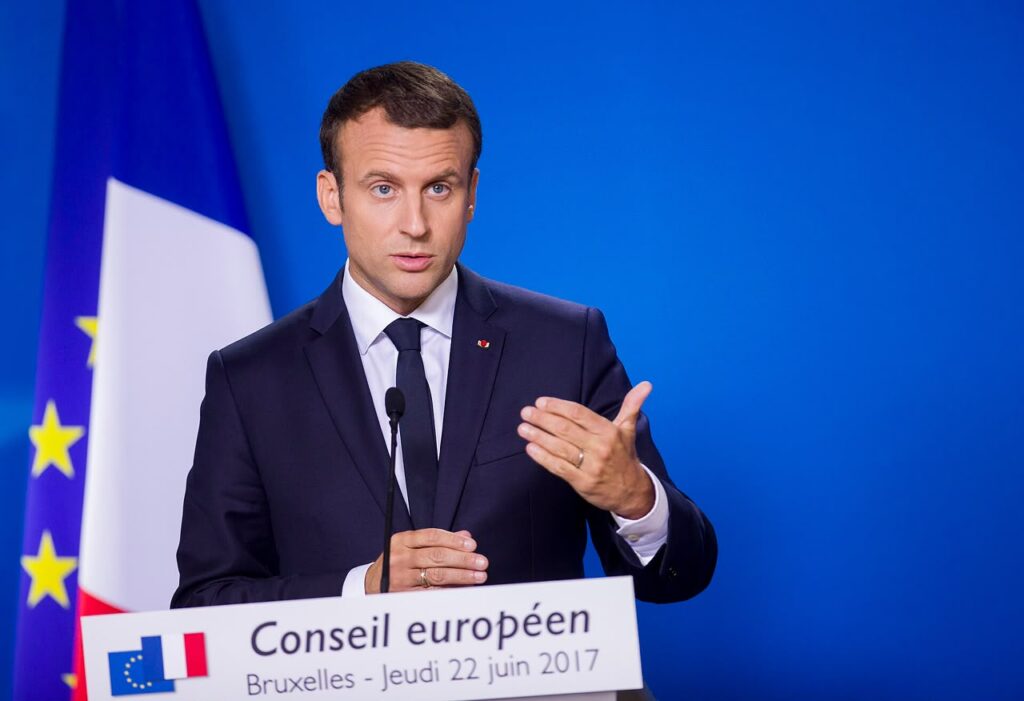
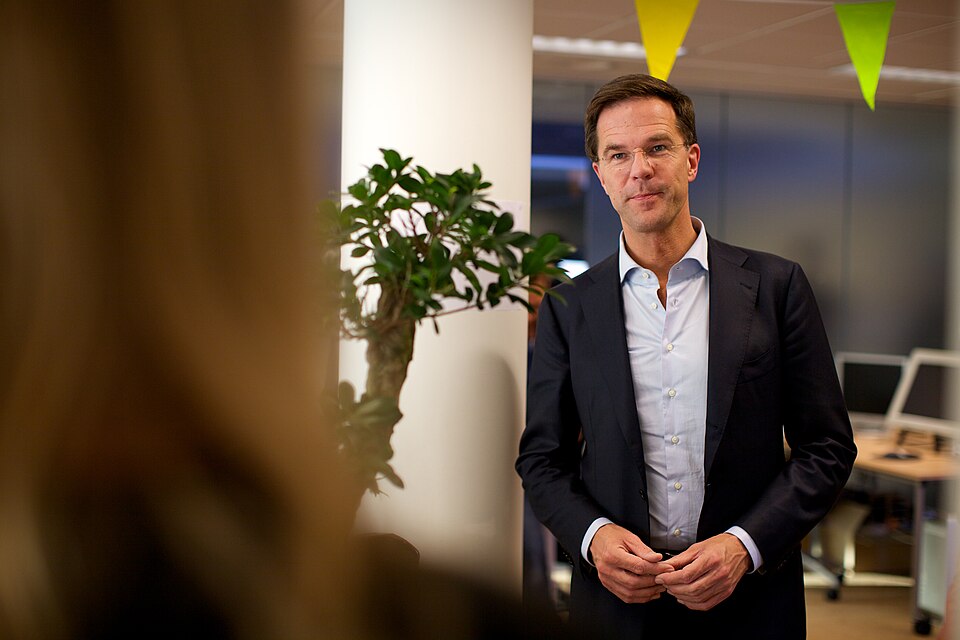
NATO Secretary General Mark Rutte announced that Ukraine’s allies have pledged approximately 70 billion euros — roughly $81 billion — to support Kyiv’s war against Russia. Rutte then said: ‘Nations must dig deeper. We do not have a choice, I believe.’
Pentagon Policy Chief Elbridge Colby separately warned that NATO allies ‘must be prepared to dig in for the long haul,’ adding: ‘Russia is reconstituting its forces and its defense industrial capacity. We must be prepared for a protracted conflict.’
These are not remarks by critics of the alliance. These are the Secretary General of NATO and the US Defense Policy Chief. They are saying: the alliance has pledged $81 billion, and it is not enough, and the conflict will be long.
THE RUSSIA-UKRAINE WAR AT DAY 1,657
The Russia-Ukraine war entered its 1,657th day this week — the specific count from February 24, 2022. Colby’s ‘months and years’ assessment means the arc’s coverage of this war as a background thread is about to become a primary thread as the Turkey peace process either produces something or does not.
The specific context of Colby’s ‘Russia reconstituting’ statement:
▸ Russian defense production has accelerated: artillery production, drone production, and munitions stockpiles have grown throughout 2025-2026 despite Western sanctions
▸ Russian manpower: the September 2022 mobilization produced approximately 300,000 additional fighters; additional mobilization waves have continued
▸ Russian defense industrial capacity: sanctions designed to prevent Russian military production have been partially circumvented through North Korean ammunition supply, Chinese dual-use technology, and Iranian drone components
▸ NATO’s own industrial production: NATO allies have struggled to produce artillery shells, armored vehicles, and air defense interceptors at rates that match Ukrainian consumption
WHAT $81 BILLION MEANS AND DOES NOT MEAN
$81 billion in pledges is a specific financial commitment. What it is and is not:
▸ It is pledges: the $81 billion is committed but not yet disbursed in full; the history of NATO Ukraine funding includes significant gaps between pledged and delivered amounts
▸ It is not a military victory fund: the money funds ammunition, equipment replacement, humanitarian assistance, and budget support; it is consumption funding, not production funding
▸ It is not enough: Rutte said so; the specific calculation behind his assessment is from NATO military analysis
▸ It is the largest single funding announcement of the war: $81 billion in one pledging cycle represents a significant acceleration of allied financial commitment
THE TURKEY PEACE PROCESS CONTEXT
ONYX documented the Turkey peace process Round 1 (August 23) and the continued effort to schedule Round 2. Colby’s ‘protracted conflict’ assessment and Rutte’s ‘not enough’ are occurring while Turkey-mediated peace talks are simultaneously trying to produce a ceasefire. The specific tension: if NATO’s senior officials are saying the war will last ‘months and years,’ are they signaling that they are not seriously expecting the Turkey process to succeed, or are they preparing for contingencies in case it does not?
$81 billion pledged. Not enough. Russia is reconstituting. Prepare for years. That is the specific message from NATO’s two most senior voices in the same week. The Turkey peace process is also happening. Both the funding pledge and the peace process are real. The question is which one the war’s trajectory follows.
THE DAY 33 DUAL-WAR CONTEXT
ONYX is covering two active wars on Day 33. The Iran ceasefire is 27 days from October 6. The Russia-Ukraine war is 1,657 days old with no end in sight according to senior NATO officials. The administration’s simultaneous management of both — Rubio announcing the tanker doctrine for Iran while Colby announces protracted conflict preparation for Ukraine — is the specific foreign policy picture on September 9, 2026.
WHAT HAPPENS NEXT
▸ Disbursement tracking — whether the $81 billion is delivered at the pace it is pledged
▸ Turkey Round 2 — the specific date, if announced
▸ Russian reconstitution assessment — how quickly Russia is restoring production capacity
▸ NATO industrial production — whether alliance production rates can match Ukrainian consumption
| CONFIDENCE: HIGH | Rutte €70 billion ($81 billion) pledge and ‘nations must dig deeper we do not have a choice,’ Colby ‘dig in for the long haul’ ‘Russia reconstituting forces and defense industrial capacity’ ‘protracted conflict’ ‘months and years ahead’ are from confirmed reporting. |
| ⚖️ BIAS CHECK — WHO IS SAYING WHAT | |
| Rutte (NATO) | Simultaneously announcing a large pledge and demanding more; this is the Secretary General’s institutional role — both mobilizing support and identifying the gap that remains |
| Colby (Pentagon Policy) | Senior defense policy official publicly characterizing the conflict as protracted; his statement represents the US Defense Department’s assessment, not political advocacy |
| Russia | Described as reconstituting forces and industrial capacity; their specific military production data is from Western intelligence assessment rather than Russian disclosure |
| Ukraine | The specific beneficiary of the $81 billion pledge; their military sustainability depends on whether disbursement matches the pledge |
| ONYX | Covering the Rutte-Colby statements at their institutional weight; both are senior officials making specific assessments on the record |
SOURCES
▸ Confirmed reporting — NATO Ukraine $81 billion Rutte Colby not enough protracted conflict, September 9, 2026
Q: What has prevented NATO from producing enough equipment for Ukraine?
A: NATO allies’ defense industrial capacity was designed for a post-Cold War environment with lower production demand. The specific bottlenecks include: artillery shell production (Europe and the US are producing at significantly lower rates than Ukrainian consumption); air defense interceptors (Patriot missiles are being consumed faster than they can be produced); and long-range precision weapons (ATACMS and equivalent systems require controlled materials and complex production). The transition from a demand-smoothing peacetime production system to war-rate production requires capital investment, skilled labor, and supply chain development that takes two to three years. Some of that investment was made in 2022-2023; the results are beginning to materialize in 2026 but have not fully closed the gap.
Q: What does “Russia reconstituting” mean for the war’s timeline?
A: Russian military reconstitution since the 2022 initial losses includes: North Korean ammunition supply of approximately two million artillery shells, partially offsetting Western ammunition restrictions; Chinese dual-use technology supply that feeds into Russian electronics and precision guidance; Iranian drone components that have accelerated Russian UAV production; and continued domestic Russian arms production that has expanded despite Western sanctions. Colby’s assessment that Russia is reconstituting is consistent with Western intelligence assessments that Russian military production will sustain offensive capacity through 2026-2027. If Russia can sustain production and manpower while Ukraine depends on Western supply, the war’s timeline is measured in years, not months.