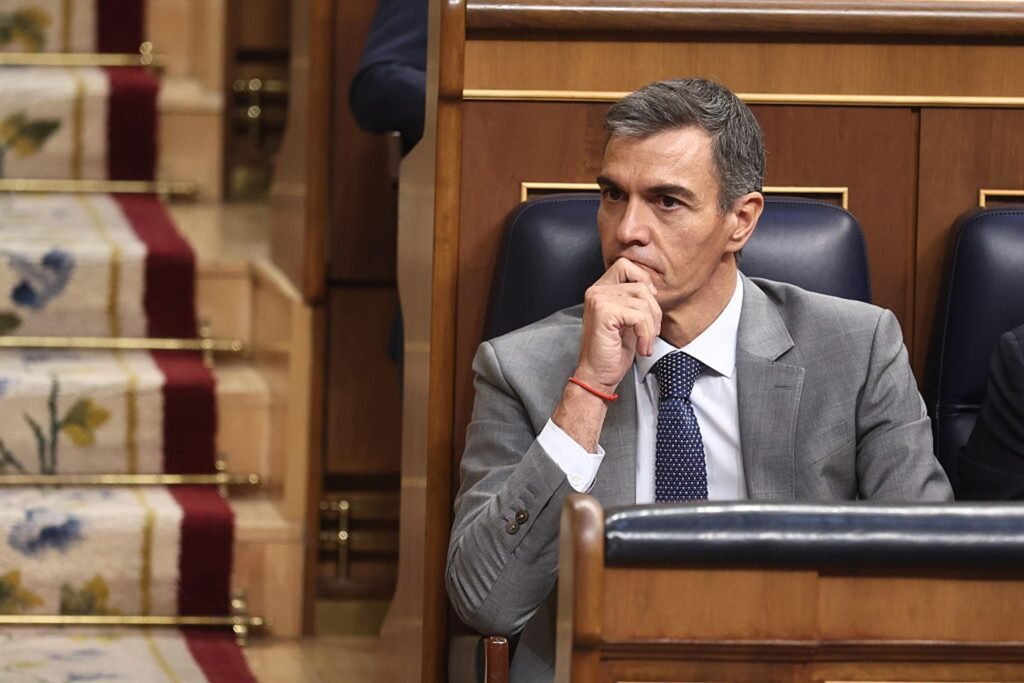
Spanish Prime Minister Pedro Sanchez has called a snap parliamentary election for November 29 after parliament rejected two government housing measures. Housing costs and coalition instability are expected to dominate the campaign. This is the specific collapse that produced the election: two housing votes failing in parliament. Spain will vote 26 days after the US midterms on November 3.
THE HOUSING CRISIS BEHIND THE VOTE
Spain’s housing crisis has been building for years. The specific documented pressures that made housing the coalition’s fatal fault line:
▸ Madrid and Barcelona rental costs have increased by more than 40% over five years; major cities have seen landlords converting long-term rentals to tourist apartments or short-term leases under platforms like Airbnb
▸ Spain’s mortgage market was restructured after 2008; a generation of Spaniards who entered the job market during the financial crisis found themselves locked out of home ownership even as the economy recovered
▸ The government’s proposed housing measures — rent controls, expanded social housing, restrictions on foreign property purchases — faced opposition from coalition partners who represent regions with different property market realities
▸ Two votes failed: parliament’s rejection of both housing measures was not a narrow defeat but a documented loss, with coalition partners voting against the government
THE COALITION MATHEMATICS
Sanchez’s governing coalition has been one of Spain’s most complex parliamentary arrangements since the restoration of democracy in the 1970s. The specific coalition math that produced this collapse:
▸ PSOE (Socialists) + Sumar (left-wing alliance) as the core government; dependent on support from regional parties including Catalan, Basque, and Galician nationalist groups
▸ The Catalan dimension: Sanchez’s government controversially pardoned Catalan independence leaders in exchange for parliamentary support; that arrangement has been under documented strain throughout 2026
▸ The housing votes: regional nationalist parties whose constituencies include property-owning rural and small-city populations voted against housing measures designed primarily for urban rental markets
▸ No confidence alternative: rather than face a confidence vote in a fractured coalition, Sanchez called the snap election — the documented strategic calculation is that an election now is better than governing in a permanent veto environment
THE NOVEMBER 29 CAMPAIGN
The specific issues that will dominate the November 29 campaign:
▸ Housing: rent costs, property prices, foreign investment in Spanish real estate, social housing; the issue that broke the coalition becomes the central campaign question
▸ Coalition vs. stability: the right (PP, Vox) will campaign on government incompetence and coalition fragility; the left will frame the election around housing justice
▸ Catalan independence: the pardons remain a live political issue; whether Catalan parties endorse a new Sanchez government or shift toward independence-centered demands is the coalition arithmetic question for any new government
▸ Global context: Spain holds this election six days after the US midterms on November 3, amid an Iran war, an energy crisis, and French fiscal pressure on the euro
Spain’s coalition collapsed over housing. Two votes failed in parliament. Pedro Sanchez called an election rather than govern from a minority position that couldn’t pass its own priority legislation. The campaign is 53 days long. Housing costs are the documented trigger. Coalition mathematics are the documented cause. November 29 is the vote. Spain is the third European election ONYX is tracking this season, alongside France’s ongoing political pressure and the global context of energy crisis, US midterms, and Makkah Alliance activation.
WHAT HAPPENS NEXT
▸ Campaign launch — PP and PSOE position on housing; Vox’s role in any right-wing coalition
▸ Catalan parties — whether ERC and Junts endorse or oppose Sanchez
▸ Polls — current PP polling lead; whether housing issue shifts left-bloc support
▸ Euro impact — Spanish political instability in context of French fiscal pressure on the euro
| CONFIDENCE: HIGH | Spanish Prime Minister Pedro Sanchez calls snap parliamentary election November 29; parliament rejected two government housing measures, Reuters confirmed in October 6, 2026 reporting. |
| ⚖️ BIAS CHECK — WHO IS SAYING WHAT | |
| Sanchez / PSOE | Called the election; frames housing measures as the government’s priority; the coalition failure is on his record |
| PP (Partido Popular) | Polling ahead; campaign on stability and competence; beneficiary of coalition collapse narrative |
| Regional nationalist parties | Voted against the government; their role in any future coalition is the central Spanish parliamentary question |
| Spanish renters | The specific constituency the housing measures were designed to help; they are the human center of the campaign issue |
| ONYX | Covering the election at HIGH confidence from Reuters; tracking the housing trigger and coalition mathematics as documented causes |
SOURCES
▸ Reuters — Spanish PM Sanchez calls snap election for November 29 October 2026
▸ Open Chronicle — Global News Brief October 6, 2026