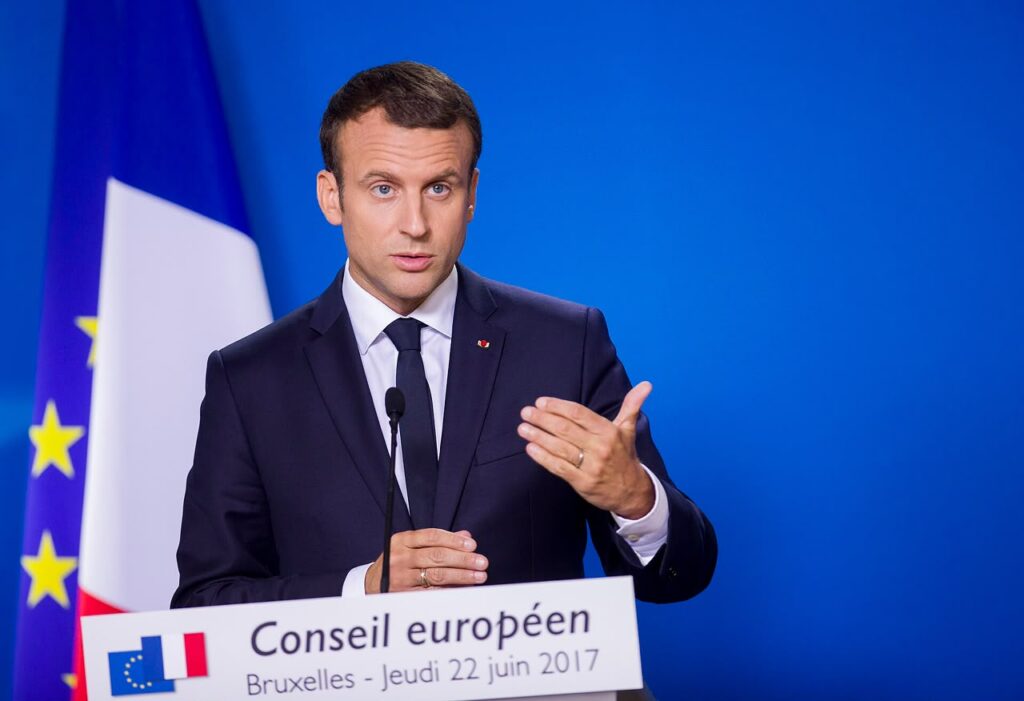
Concerns about French government debt and budget management have pushed the euro to a 17-month low and weighed on French bonds and equities. Investors are watching whether Paris can build support for its spending plans. The specific documented chain from French fiscal politics to global currency markets:
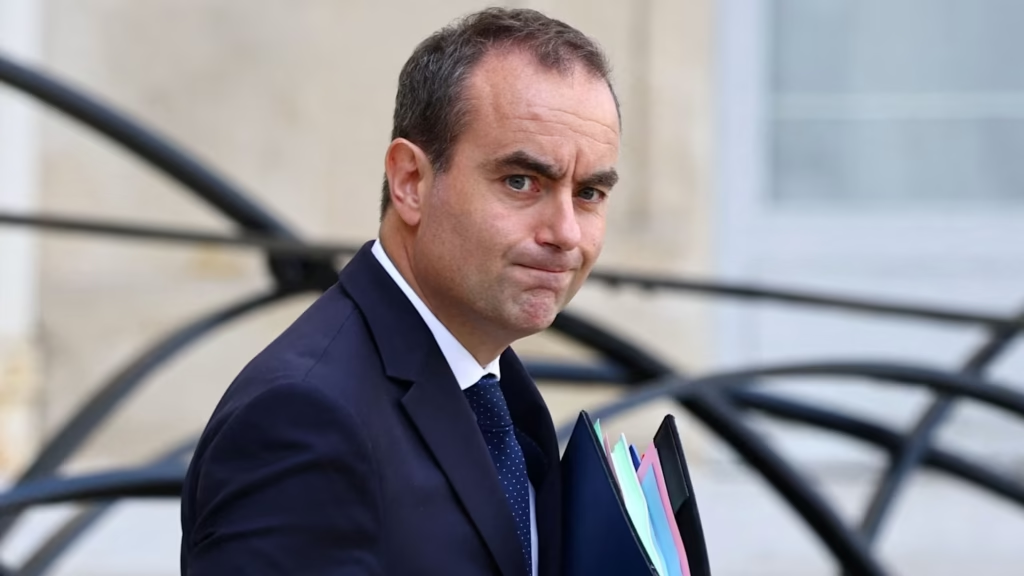
▸ France’s debt-to-GDP ratio: among the eurozone’s highest; requires fiscal consolidation under EU rules to avoid an Excessive Deficit Procedure
▸ The budget plan: requires parliamentary support from coalition partners who represent constituencies that will be directly affected by cuts
▸ Political viability doubt: investors price in the probability that the government cannot pass its fiscal plan; the euro weakens as eurozone fiscal credibility is questioned
▸ Bond spread: the spread between French OAT (government bond) yields and German Bund yields has widened; this is the specific market signal of French political risk premium
WHY THE EURO, NOT JUST THE FRANC
France’s fiscal problems affect the euro because France is the eurozone’s second-largest economy. The mechanism:
▸ The eurozone’s monetary union means the European Central Bank must manage monetary policy for all eurozone members; French fiscal stress creates a documented ECB policy dilemma
▸ The 2010–12 eurozone debt crisis precedent: Italy and Spain’s fiscal problems in that period produced euro weakness and near-currency-union collapse; France’s current stress is smaller in scale but triggers the same investor risk-assessment framework
▸ The 17-month low: the specific currency level tells us how investors are now pricing French fiscal risk relative to the dollar, pound, and yen; 17 months ago was approximately May 2025
OCTOBER 6 CONVERGENCE: MULTIPLE EUROPEAN PRESSURES
The euro’s 17-month low on October 6 is not only about France. It is the sum of several simultaneous European pressures ONYX is tracking on the same day:
▸ French fiscal doubt — the primary driver of the euro weakness
▸ Spain snap election — Spanish political uncertainty adds a second eurozone political risk event
▸ France nationwide protests — the street-level confirmation that the fiscal plan’s political viability is in doubt
▸ Global energy cost — Europe imports most of its energy; the Iran war’s energy cost falls directly on European consumer prices and government budgets
▸ US dollar strength — the dollar strengthened on the Day 60 naval blockade and geopolitical risk; dollar strength mechanically weakens the euro
The euro fell to a 17-month low. France is the reason. France’s debt plan requires political support that France is not certain to deliver. The protests on October 6 are the visual proof that the political support is contested. The Spain election adds a second European political uncertainty event to the same week. The Iran war’s energy costs hit European budgets directly. And the US dollar is strengthening on geopolitical risk at the same time. The euro’s 17-month low is not one crisis. It is five pressures arriving simultaneously on October 6.
WHAT HAPPENS NEXT
▸ French parliamentary vote on the budget — whether the fiscal plan survives
▸ ECB response — whether the euro weakness triggers ECB communication or intervention
▸ French-German bond spread — the key market signal of French political risk premium
▸ Spain election impact on euro — whether a second eurozone political event compounds the pressure
| CONFIDENCE: HIGH | Concerns about French government debt and budget management pushed the euro to a 17-month low, weighing on French bond and equity investors as they watch whether Paris can build support for spending plans, Reuters Morning Bid confirmed October 6, 2026 reporting. |
SOURCE TRANSPARENCY
▸ Reuters — Morning Bid: Le Pendulum October 6, 2026
▸ Open Chronicle — Global News Brief October 6, 2026